



The Shift to Authentic Greenery
In cities across India, from Mumbai to Bangalore, a subtle but significant trend is taking root in urban homes. The focus of gardening is shifting from high-maintenance, imported ornamental plants to species that are originally from the local environment.
This move is driven by a growing awareness of ecological balance and a desire for a more sustainable lifestyle. Instead of gardens that merely look good, people are creating spaces that do good. This trend acknowledges that our concrete jungles have led to a loss of natural habitats for local flora and fauna. By planting native species, urban dwellers are doing their part to restore a small piece of that natural world, right outside their windows.
Why Go Native? The Benefits Are Big
Choosing native plants comes with a host of advantages that benefit both the gardener and the environment. Firstly, they are incredibly low-maintenance. Since these plants have evolved over millennia to thrive in the local climate and soil, they are naturally resilient. They require significantly less water than exotic species, a crucial benefit in a country facing increasing water scarcity. They are also naturally resistant to local pests and diseases, which means you can say goodbye to chemical pesticides and fertilisers. This not only saves money and effort but also prevents harmful chemicals from entering the ecosystem. For the urban gardener, it means less time working and more time enjoying a healthy, thriving green space.
Creating a Backyard Biodiversity Hotspot
Perhaps the most rewarding aspect of growing native plants is the life they attract. Native plants and local wildlife share a deep, evolutionary connection. Planting them creates a mini-ecosystem on your balcony or terrace. Native flowering plants provide the specific nectar and pollen that local bees, butterflies, and other pollinators need to survive. Trees like Neem and Jamun, even in their sapling stage in large pots, can attract native birds. By cultivating these plants, you are not just creating a garden; you are building a vital corridor for urban wildlife, helping to support the biodiversity that is often pushed out of cities.
Getting Started with Your Native Garden
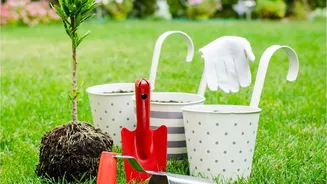
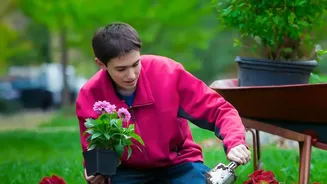
Starting a native garden is easier than you might think. The first step is to observe your space. How much sunlight does your balcony or windowsill receive? This will determine which plants will thrive there. You can start small, with just a few pots. Terracotta pots are an excellent choice as they are porous and keep the roots cool during hot summers. When it comes to finding plants, look for local nurseries that specialise in native species. More are beginning to pop up as the trend grows. You can also connect with local gardening groups or conservation organisations, which often share saplings and knowledge. Focus on species that are well-suited to container living.
Easy Native Plants for Your Urban Home
Not sure what to plant? Here are a few hardy and beautiful native species that do well in pots and are perfect for beginners: Tulsi (Holy Basil): Revered in Indian culture, Tulsi is a powerful medicinal plant and is great at repelling pests. It’s easy to grow in a sunny spot. Marigold (Genda): These bright, cheerful flowers are incredibly hardy, thrive in the sun, and attract pollinators. Hibiscus: With their large, beautiful blooms, Hibiscus varieties are perfect for adding a tropical feel. They attract birds and butterflies. Jasmine (Mogra): Known for its intoxicating fragrance, this climber can be trained on a small trellis and loves the heat. Curry Leaf (Kadi Patta): An essential in Indian kitchens, this plant is easy to maintain in a pot and provides fresh leaves for your cooking. Aparajita (Butterfly Pea): This beautiful climber with striking blue flowers is extremely easy to grow and loves sunny balconies.