








Swapping Passivity for Participation
For generations, the default date night has been a largely passive affair. You sit next to someone, watch a story unfold on screen, and maybe discuss it over a meal you had no part in creating. While enjoyable, this routine is starting to feel dated for
a generation that prizes active participation and shared experiences. Millennials and Gen Z in India’s bustling metros are increasingly seeking activities that allow for genuine interaction and collaboration. They don’t just want to consume; they want to create something together. This desire is fuelling a move away from spectator-style dates towards hands-on, memorable activities that offer more than just a pleasant evening out.
The Rise of Experiential Dating
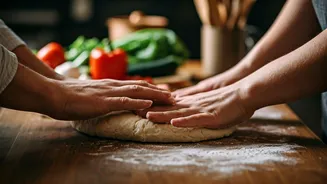
This shift is part of a larger global trend towards 'experiential' living, where the value is placed on doing things rather than owning things. Instead of another dinner, couples are opting for pottery workshops, nature treks, and, increasingly, cooking classes. The logic is simple: a shared activity creates a shared memory and a story to tell. A cooking class, in particular, ticks all the boxes. It’s interactive, requires teamwork, and involves a tangible, delicious reward at the end. It breaks the ice far more effectively than a formal dinner, replacing stilted small talk with the easy camaraderie of trying to master a new recipe together.
Why 'Organic' Is the Key Ingredient
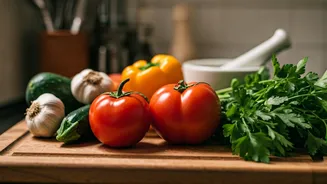
The specific appeal of *organic* cooking classes speaks to another significant cultural shift. Today's young Indians are more health-conscious and environmentally aware than ever before. The wellness boom has made terms like 'farm-to-table', 'sustainable', and 'organic' part of the everyday lexicon. Choosing an organic cooking class is a statement of values. It says, 'We care about what we put in our bodies and where our food comes from.' This shared value system can be a powerful connector for a new couple. The experience isn't just about learning to cook a fancy dish; it's about embracing a lifestyle centered on mindfulness, health, and conscious consumption. It elevates the date from a simple activity to a reflection of their shared priorities.
A Recipe for Real Connection
Beyond the trends, the psychology of cooking together is a powerful bonding agent. The kitchen environment necessitates communication and collaboration. Who will chop the onions? Who will stir the sauce? You have to negotiate roles, offer help, and sometimes, laugh at your mistakes. This low-stakes teamwork builds a foundation of partnership. Unlike the curated perfection of an Instagram post, a cooking class is about the messy, imperfect, and fun process of creating something. Sharing this process—the triumphs of a perfectly flipped dosa or the comedy of a fallen soufflé—creates a deeper, more authentic connection than simply sharing a meal prepared by someone else. It's an experience that reveals personality, patience, and a sense of humour.
More Than Just a Meal
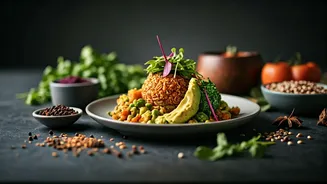
Cooking schools across cities like Mumbai, Delhi, and Bengaluru have noticed this growing interest. They are no longer just for aspiring chefs or homemakers. Their weekend and evening classes are now filled with young professionals and couples looking for a unique social outlet. These classes are designed to be accessible, fun, and focused on the experience rather than technical mastery. You don't need to be a seasoned cook to participate. The goal is to learn something new, have fun, and enjoy a delicious, healthy meal that you made yourselves. It’s a date that provides a skill, a meal, and a memory all in one.