





Beyond the Basic Thali
The familiar Indian thali, with its collection of dal, sabzi, and roti or rice, is more than just a traditional meal—it's a masterclass in nutritional synergy. However, modern lifestyles have often led us to deconstruct it, favouring refined grains and convenience
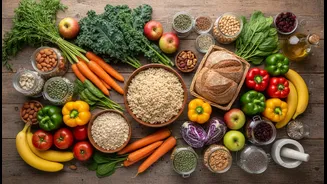
over balance. A truly 'smart' lunch isn't about eliminating food groups but about understanding why certain combinations work so well. The magic lies in pairing whole grains, protein-rich dal, and fibre-filled vegetables in a single, cohesive meal. This trio works together to provide not just a full stomach, but a powerhouse of sustained energy and essential nutrients that keeps you sharp and active all afternoon.
Whole Grains: Your Energy Foundation
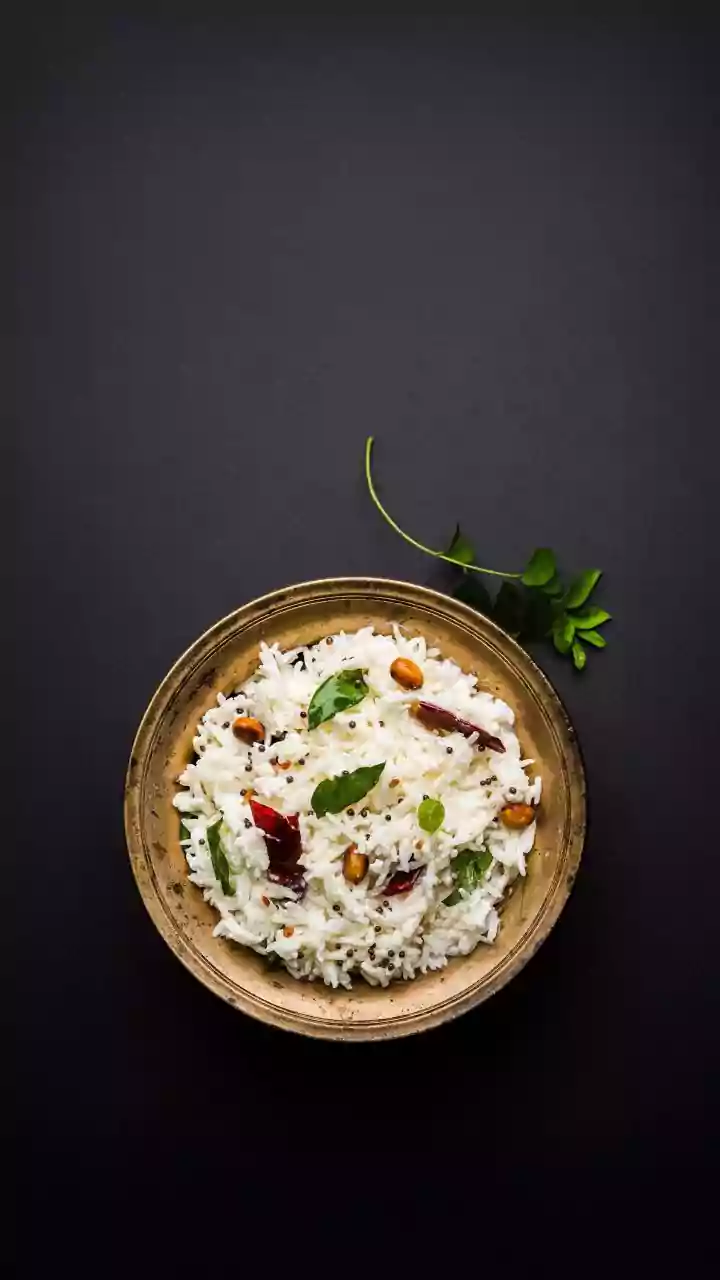
The first pillar of this formula is the whole grain. Unlike refined grains like white rice or maida, which are stripped of their nutritious outer layers, whole grains like brown rice, millets (jowar, bajra, ragi), and whole wheat are complete packages. They contain bran, germ, and endosperm, providing fibre, B vitamins, and minerals. This fibre is crucial; it slows the breakdown of carbohydrates into sugar, preventing the dreaded blood sugar spike and subsequent crash. By choosing a whole grain, you are laying a foundation of slow-release energy that fuels your body and brain for hours, not minutes. This helps maintain steady energy levels and keeps hunger at bay.
Dal: The Plant-Powered Protein
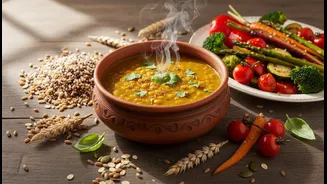
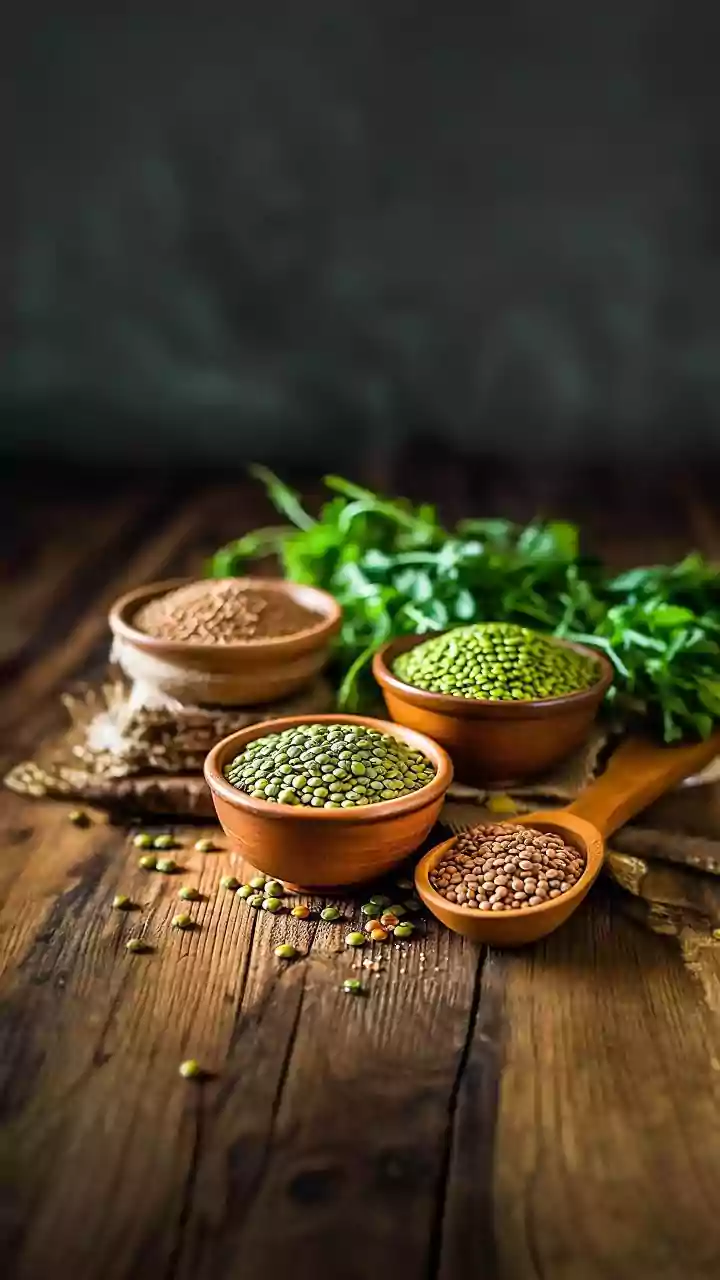
Dal, a staple in every Indian kitchen, is the second key component. These lentils and pulses are fantastic sources of plant-based protein, which is vital for muscle repair and overall bodily function. But when paired with a grain, something remarkable happens. Most plant proteins are 'incomplete,' meaning they lack one or more of the nine essential amino acids our bodies can't produce. Dal, for instance, is rich in the amino acid lysine but low in methionine. Grains are the opposite. Together, dal and rice or dal and roti form a 'complete protein,' providing all the essential amino acids your body needs, similar to what you'd get from animal products. This makes the combination incredibly efficient for vegetarians and anyone looking for high-quality protein sources.
Vegetables: The Nutrient and Fibre Boost
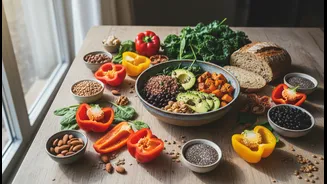
The final piece of the puzzle is a generous serving of vegetables. Often relegated to a small side, vegetables should ideally occupy a significant portion of your plate. They are packed with essential vitamins, minerals, and antioxidants that protect your body from damage. Furthermore, vegetables are a prime source of dietary fibre. This fibre, both soluble and insoluble, aids digestion, promotes a healthy gut microbiome, and adds bulk to your meal, increasing feelings of fullness without adding excessive calories. A colourful variety of seasonal vegetables ensures you get a wide spectrum of nutrients, from the iron in spinach to the vitamin C in tomatoes and peppers, which also helps the body absorb the iron from the dal.
Building Your Smart Lunch Plate
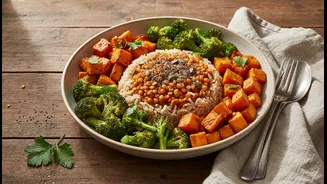
Putting this formula into practice is simple. Aim to fill half your plate with a variety of cooked or raw vegetables. One-quarter of the plate should be your dal or pulse preparation, and the final quarter should be your whole grain of choice. This visual guide helps ensure you get the right proportions without needing to count calories. For example, a lunch could be a bowl of masoor dal, a serving of brown rice, and a generous portion of bhindi sabzi and a simple kachumber salad. Another day could feature a jowar roti with chana masala and a mixed vegetable stir-fry. The combinations are endless, allowing you to enjoy variety while sticking to a nutritionally sound framework.