

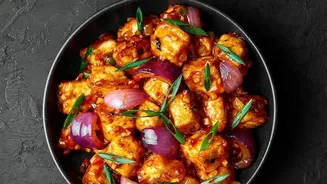
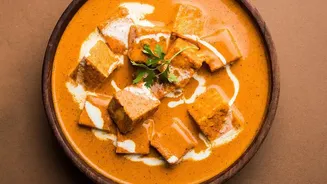
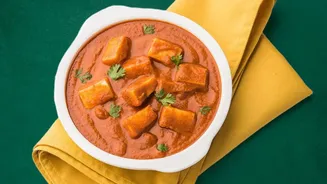
The Original 'Ghotala' Legacy
To understand Paneer Ghotala, you first have to meet its predecessor: Anda Ghotala. Hailing from the streets of Surat in Gujarat, the original is a glorious, chaotic preparation of eggs. The name itself offers a clue; 'Ghotala' translates to a 'scam'
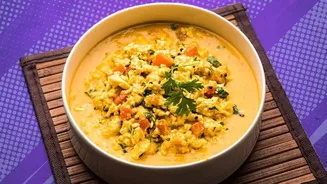
or 'mess', cheekily referencing how different forms of eggs—often grated boiled eggs, raw eggs scrambled into the gravy, and a fried egg on top—are mixed into a single, spicy dish. This egg-and-sometimes-keema (minced meat) concoction became a sensation, travelling from Surat to the bustling food scenes of Mumbai and Pune. It’s a rich, hearty, and intensely flavourful dish, traditionally mopped up with buttery, toasted pav (bread rolls).
A Modern Vegetarian Reinvention
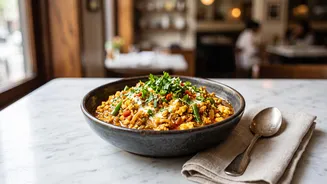
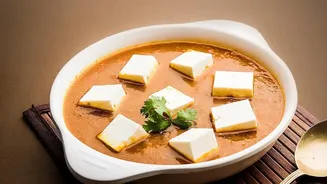
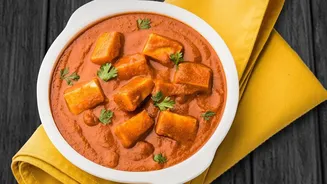
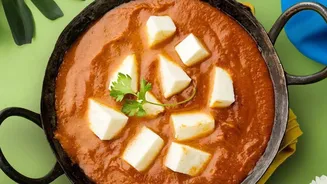
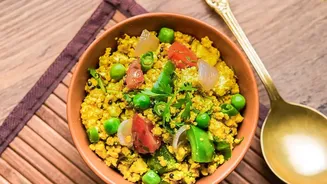
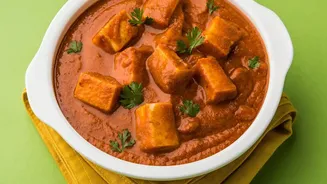
The magic of Indian cuisine lies in its adaptability, and Paneer Ghotala is a perfect example. It takes the vibrant, messy, and flavour-packed concept of the original and swaps the eggs and meat for India's beloved fresh cheese: paneer. This clever substitution opened the door for a much wider audience, particularly vegetarian food lovers who were drawn to the dish's street-food charisma but couldn't partake in the original. The paneer is typically grated, allowing it to melt seamlessly into the spicy, tomato-based gravy, mimicking the texture of the original's scrambled and grated eggs. The result is a dish that honours the spirit of Anda Ghotala while creating a delicious identity of its own.
A Symphony of Familiar Flavours
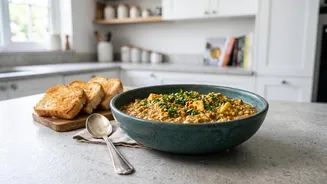
So, what makes Paneer Ghotala so irresistible? It’s a masterful blend of common Indian pantry staples that come together to create something special. The base is a bhaji-like masala of sautéed onions, tomatoes, ginger, and garlic. A key ingredient that gives it its signature street-food taste is pav bhaji masala, a spice blend synonymous with Mumbai's most famous street dish. This instantly provides a familiar, tangy, and aromatic backbone. Grated paneer adds a creamy, rich texture, while additions like finely chopped capsicum offer a subtle crunch and freshness. Often, a generous dollop of butter and even grated processed cheese are added at the end, doubling down on the indulgence and making it a truly decadent experience.
Why 'Accessible' Is The Magic Word
The headline calls this dish 'accessible', and that's not just because it's vegetarian. Paneer Ghotala is remarkably easy for home cooks to replicate. Unlike some traditional Indian curries that require long simmering times or complex techniques, this dish comes together relatively quickly. The ingredients are readily available in any local market, and the process is straightforward: make a simple masala, mash the vegetables, mix in the grated paneer, and season. Its similarity to Paneer Bhurji is notable, but Ghotala sets itself apart with its gravy-like consistency, the use of pav bhaji masala, and the signature grated paneer texture. This simplicity makes it an ideal choice for a quick weeknight dinner or a relaxed weekend brunch that still feels special.
The Perfect Way to Serve
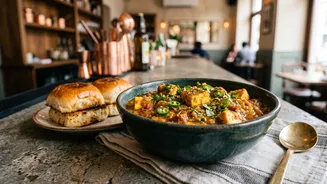
Serving Paneer Ghotala is all about embracing its street-food soul. The quintessential partner is pav. These soft bread rolls are best served toasted on a tawa with a generous amount of butter, perhaps with a sprinkle of the same masala used in the gravy. The soft, buttery pav is the perfect vehicle to scoop up the rich, spicy paneer mixture. To finish, a fresh garnish elevates the dish to another level. A sprinkle of finely chopped raw onions for a sharp bite, a handful of fresh coriander for fragrance, and a final squeeze of lime or lemon juice to cut through the richness are practically non-negotiable. These finishing touches add brightness and texture, completing the 'ghotala' experience.