




Your Gut, Explained
Before we dive into the delicious details, let's quickly talk about the 'microbiome'. Think of your gut as a bustling city of trillions of microorganisms, including bacteria, viruses, and fungi. This community is your gut microbiome, and keeping it balanced
is crucial for everything from digestion and immunity to your mood. Probiotics are the 'good bacteria' that help maintain this balance. While you can get them from supplements, many traditional foods are naturally packed with them, offering a tastier and more holistic way to support your well-being.
Ancient Wisdom in Every Bite
For centuries, long before 'probiotic' became a wellness buzzword, Indian households have been practicing fermentation. It was a natural way to preserve food, enhance flavour, and unlock nutrients. This process allows beneficial microbes, like Lactobacillus, to thrive. These microbes pre-digest the food, making it easier for our bodies to absorb vitamins and minerals. This ancient science is the key to turning everyday ingredients into meals that actively nourish our gut microbiome.
The Power of Fermented Batters
That familiar sour tang in idli, dosa, and dhokla batter is the taste of fermentation at work. When rice and lentil batters are left to sit, naturally present yeasts and bacteria get to work, breaking down starches and proteins. While the heat from cooking will kill the live probiotic bacteria, the fermentation process makes these foods incredibly easy to digest and increases the bioavailability of nutrients. So, even though the final cooked product isn't probiotic, the fermentation process makes idlis and dosas a fantastic food for gut health, acting as prebiotics that feed your good gut bacteria.
Drink Your Probiotics: Gajar ki Kanji
One of the most potent and delicious probiotic sources from North India is Gajar ki Kanji, a traditional drink made by fermenting black carrots (or regular carrots and beetroot) with mustard seeds and salt. The process is simple: chopped carrots are submerged in water with ground mustard seeds and left to ferment in the sun for a few days. The result is a tangy, purple-hued beverage teeming with live probiotics that support digestion and provide antioxidants. It's a seasonal winter delight that offers a refreshing way to boost your gut flora.
The Truth About Achaar
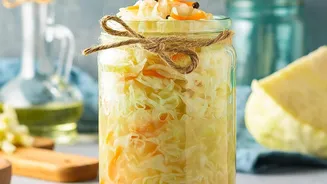
Not all pickles are created equal when it comes to probiotics. Many commercially produced pickles use vinegar to create their sour taste, which doesn't involve live cultures. However, traditional Indian pickles (achaar) often rely on lacto-fermentation. In this method, vegetables or fruits like mangoes and lemons are submerged in a salt brine. This salty environment encourages the growth of beneficial lactic acid bacteria, which preserve the pickle and give it a characteristic tang. A small serving of homemade, sun-fermented achaar with your meal is an easy way to introduce a diverse range of good bacteria to your diet.
Making Fermentation a Daily Habit
Incorporating these heritage foods into your diet is simpler than you think. You don't need a complete overhaul. Start by adding one fermented item to your day. Enjoy a glass of buttermilk (chaas) with lunch, add a spoonful of lacto-fermented pickle to your dal and rice, or enjoy homemade dahi as a side. Consistency is more important than quantity. A small, regular intake of these foods helps to consistently support and diversify your gut microbiome, leading to better digestive health and overall well-being.