








More Hotel Than Kennel
Imagine a vacation for your dog that sounds better than your own. Welcome to the world of luxury pet resorts, a booming industry catering to India's discerning 'pet parents'. In cities like Delhi, Gurugram, Mumbai, and Bengaluru, facilities are popping
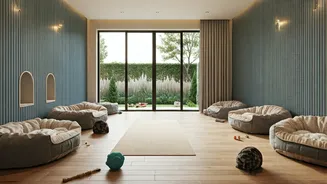
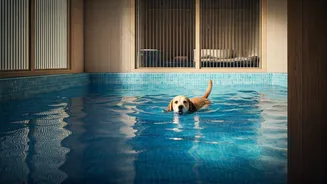
up that look more like boutique hotels than traditional boarding kennels. We’re talking private, air-conditioned suites with plush bedding, 24/7 webcam access for anxious parents, and curated playlists of calming music. The amenities list is often extensive: splash pools for hydrotherapy, agility parks for exercise, professional grooming salons offering 'pawdicures', and even birthday party planning services. Some establishments even employ behavioural specialists and canine nutritionists to create personalised diet and activity plans for their four-legged guests.
The Rise of the 'Pet Parent'
The driving force behind this trend is a fundamental change in identity. Many Indians no longer see themselves as 'pet owners'; they are 'pet parents'. This linguistic shift reflects a deeper emotional reality where pets are integral members of the family, often referred to as 'fur babies'. This new generation of parents, primarily millennials and Gen Z, were often raised in nuclear families and are navigating demanding professional lives. For them, a pet provides unconditional love and companionship. Consequently, the guilt associated with leaving a pet behind for work or travel is immense. These luxury resorts offer a solution, promising not just safety but an enriching, enjoyable experience for their beloved companion. They are paying for peace of mind, believing their pet deserves a vacation, too.
Why 'Cage-Free' Is a Game Changer
The term 'cage-free' is perhaps the most powerful selling point. For many pet parents, the thought of their dog or cat locked in a small enclosure for hours is a source of great stress. Traditional kennels, with their rows of cages, can induce anxiety and behavioral issues in animals. Cage-free boarding, in contrast, promotes a social environment where pets can roam, play, and interact in supervised, open areas. This model is seen as more humane and psychologically sound. It aligns with a modern understanding of animal welfare that prioritizes mental and emotional well-being alongside physical health. By eliminating cages, these resorts are not just selling luxury; they are selling a philosophy of care that resonates deeply with the values of today's pet parents.
The Economics of Affection
This premiumization of pet care is fueled by strong economic tailwinds. India's pet care market is one of the fastest-growing in the world, projected to grow significantly in the coming years. Several factors are at play: rising disposable incomes, an increase in dual-income-no-kids (DINK) households, and a pandemic-driven surge in pet adoption. With more financial freedom, urban professionals are willing to spend heavily on their pets' well-being. A stay at one of these resorts can cost anywhere from ₹1,000 to ₹3,000 per night, or even more for premium suites. While this may seem extravagant to some, for a growing segment of the population, it's a justifiable expense—an investment in the happiness of a cherished family member.