


Why Rain Makes Us Crave Samosas
There's a real reason you want something hot and indulgent the moment it starts pouring. It’s a mix of psychology and biology. Rainy weather can lead to a dip in serotonin, the body's 'happy chemical', due to reduced sunlight. [8, 15] This can leave us
feeling sluggish and a bit low. [24] Our brains, seeking a quick mood lift, crave carbohydrate-rich foods which can help boost serotonin production. [7, 8] There's also a powerful nostalgic connection. For many, the smell and taste of treats like pakoras or a steaming bowl of soup are tied to comforting childhood memories of being safe and cared for indoors during a downpour. [6, 15, 21] This emotional connection makes these foods feel like a warm hug from the inside. [17]
The Hidden Dangers in Monsoon Treats
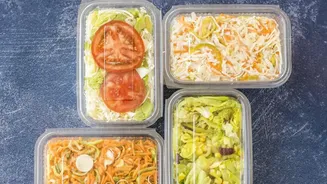
Unfortunately, the very conditions that make us crave comfort food also make food itself riskier. The monsoon season is a peak time for foodborne and waterborne diseases like gastroenteritis, typhoid, and cholera. [2, 16] The high humidity and moisture in the air create a perfect breeding ground for bacteria like E. coli and Salmonella to multiply rapidly. [2, 14, 20] Water sources are more likely to be contaminated with sewage or runoff, affecting everything from the water used to wash vegetables to the ice in your drink. [2, 23] This makes street food particularly hazardous. Food prepared and left in the open is exposed to these contaminants, and raw items like chutneys, pre-cut salads, or the 'pani' in pani puri become high-risk. [10, 18, 23]
Make It Safe: The Home-Court Advantage
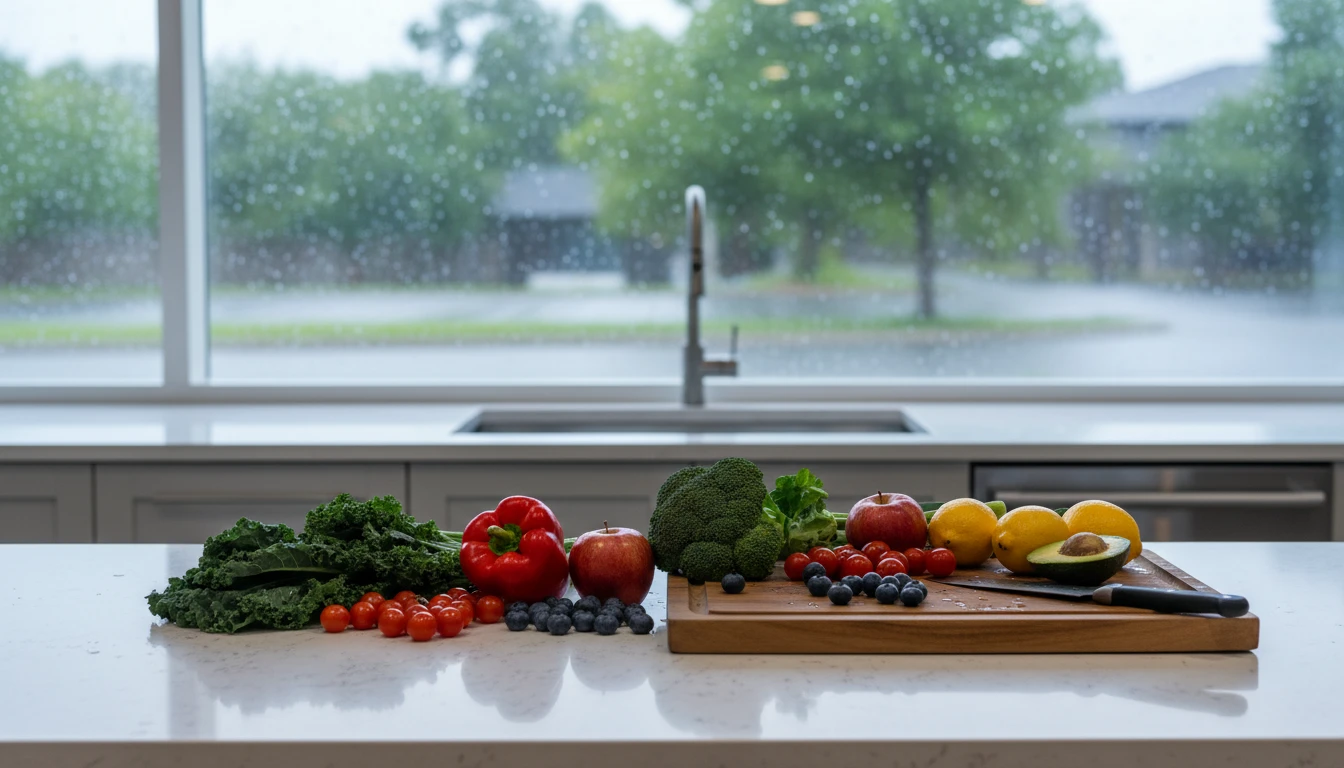
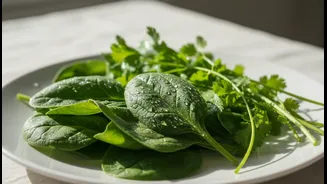
The safest way to indulge your monsoon cravings is by preparing food at home. This is where the headline's promise comes true: comfort food, when made safely at home, becomes a truly secure pleasure. When you cook in your own kitchen, you control the three most critical factors for monsoon food safety: water quality, ingredient freshness, and hygiene. You can ensure you are using boiled or filtered water, washing vegetables thoroughly, and cooking food to a temperature that kills harmful bacteria. [5, 11] The Food Safety and Standards Authority of India (FSSAI) advises washing all produce properly and maintaining a clean environment to prevent illness during this season. [5] Instead of forgoing your favourites, think of this as an opportunity to perfect them.
Your Safer Monsoon Comfort Menu
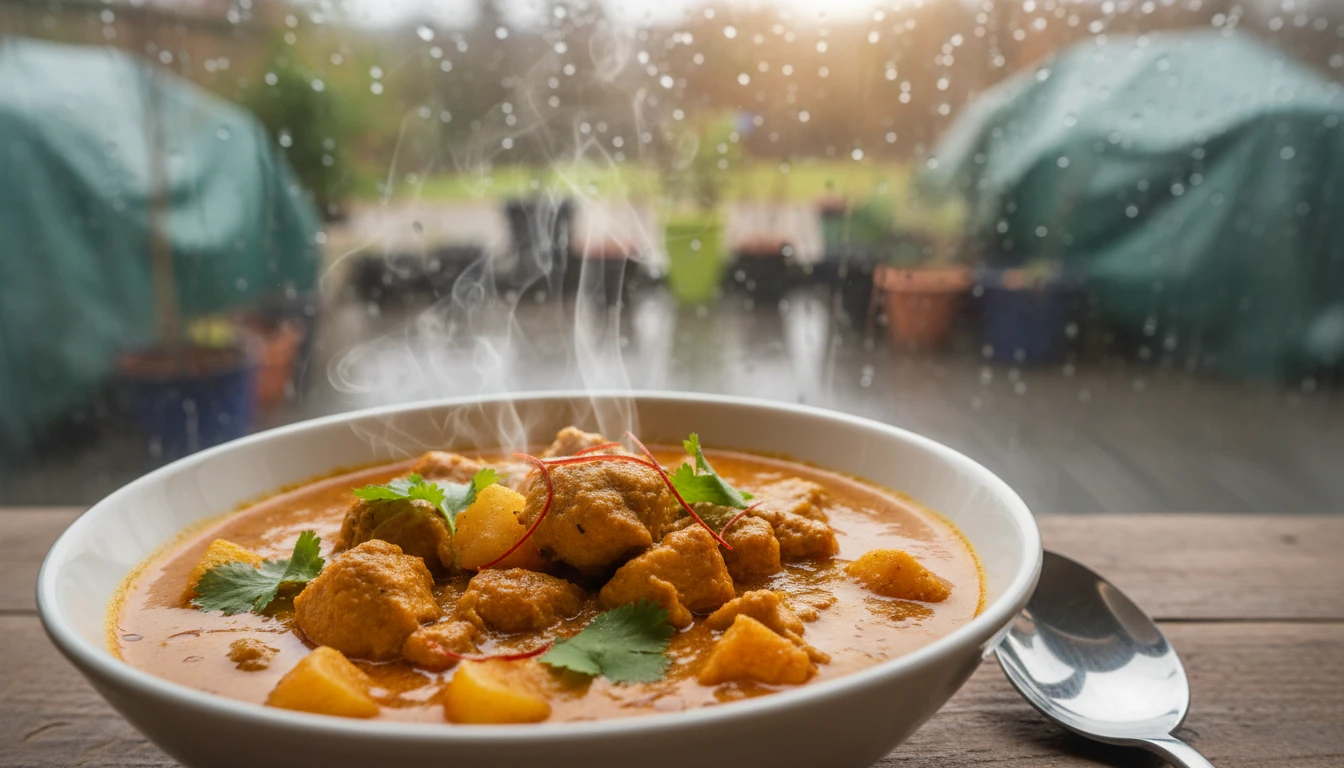
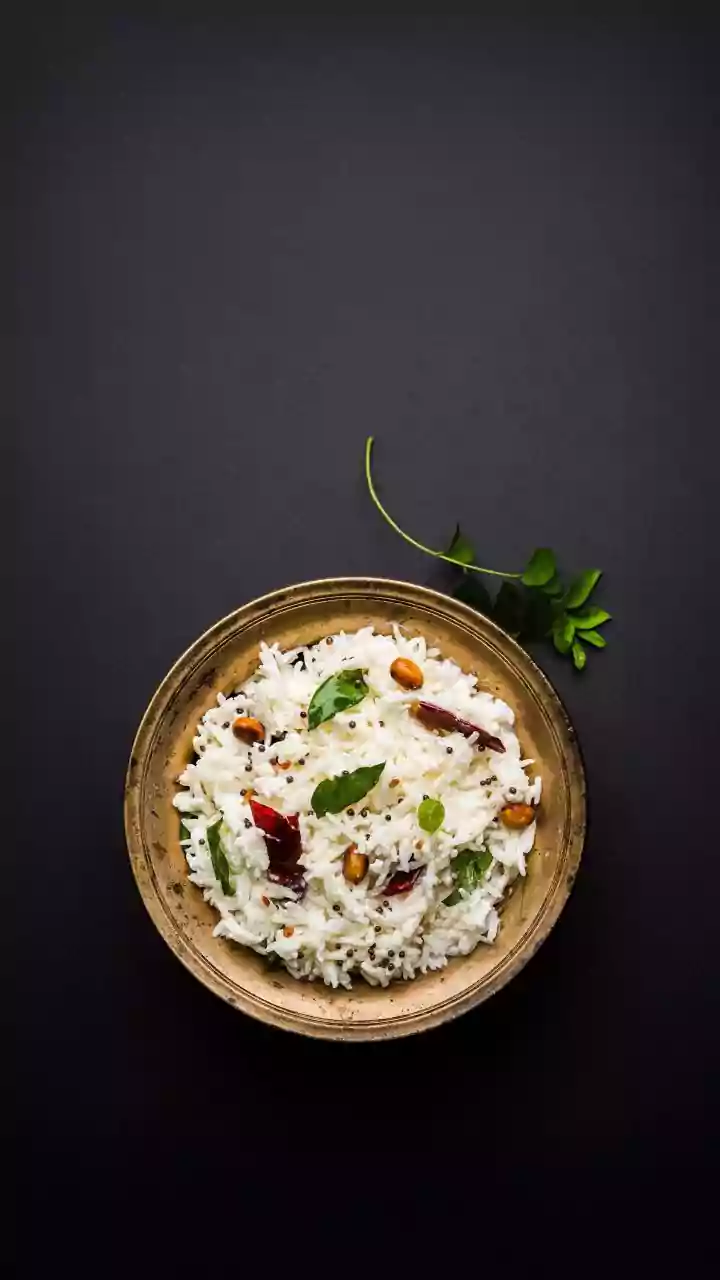
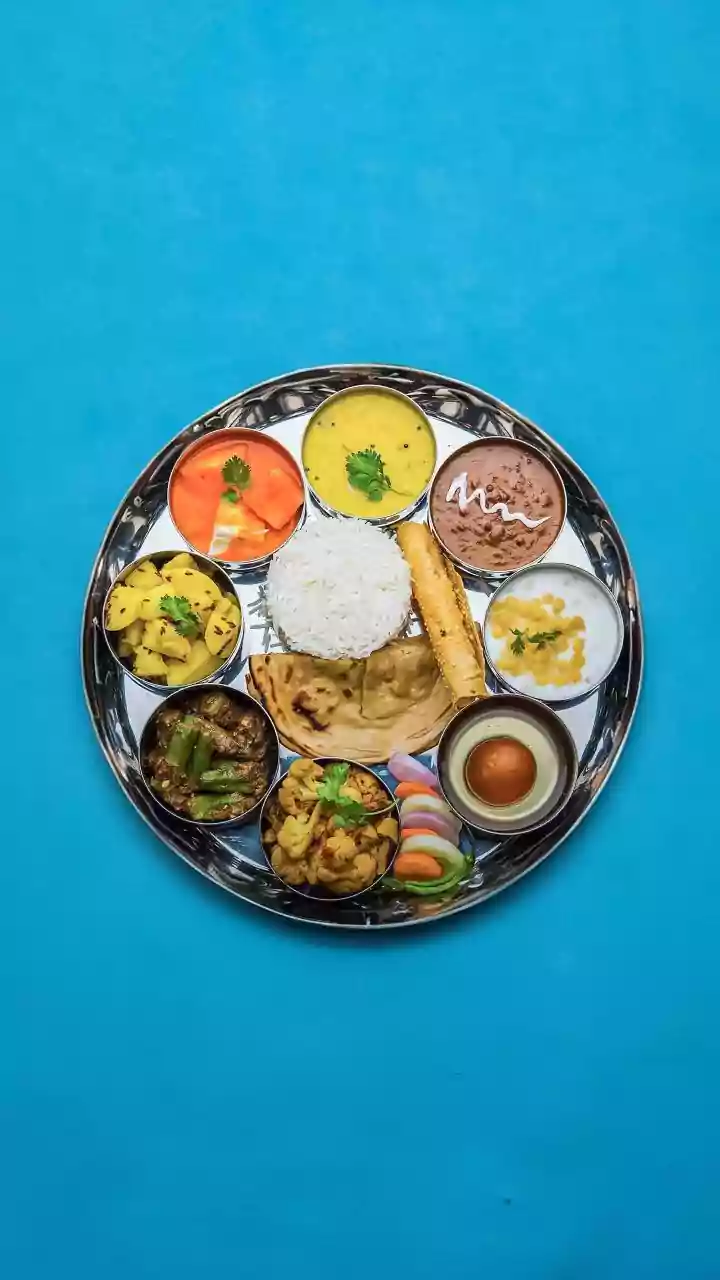
Enjoying comfort food safely doesn't mean eating blandly. It's about smart swaps and prioritising hygiene. Instead of buying street-side samosas, try making them at home—you can even bake them for a healthier twist. Swap risky raw street salads for warm, cooked vegetable soups or a comforting bowl of khichdi. [11] Roasted corn on the cob (bhutta), if roasted fresh and hot, is a relatively safe street food option because the high heat kills germs. [12] At home, you can boost your immunity by including ginger, garlic, and turmeric in your cooking. [5, 11] Warm, nourishing meals like stews, dals, and vegetable curries not only satisfy cravings but also help regulate body temperature and provide a sense of well-being. [3, 15]
Eating Out? Follow These Rules
If you must eat out, you can reduce your risk by being selective. The golden rule is to always choose food that is served piping hot, as high temperatures kill most pathogens. [18, 19] Avoid anything that has been sitting out, even if it looks fresh. This is especially true for dairy-based sweets, which can spoil quickly in the humidity. [19] Be wary of raw chutneys, sauces, and salads. [18] When choosing a street food vendor, look for signs of good hygiene: does the vendor use gloves or tongs, is the stall clean, and do they have facilities for hand washing? [19] FSSAI’s “Clean Street Food” campaign has certified certain vendors, so looking for a license can be a basic indicator of safety. [12] Finally, always carry your own bottled water and avoid juices or ice from unreliable sources. [10, 19]