



The ‘Why’ Behind the Wellness Shift
This evolution isn't happening in a vacuum. A growing awareness around health and wellness, significantly accelerated in recent years, is a primary driver. Indian consumers are becoming more proactive about their health, leading to a rise in concerns
about lifestyle diseases linked to processed foods. This has fueled a desire for food that does more than just satisfy a craving; it needs to provide functional benefits. As a result, shoppers are now actively reading ingredient lists and nutrition panels, a habit that was far less common a decade ago. This increased 'label literacy' means vague marketing claims are being replaced by a demand for genuine transparency.
Protein and Fibre Take the Spotlight
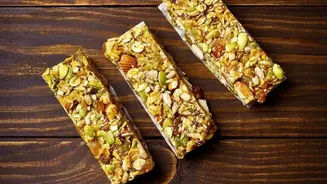
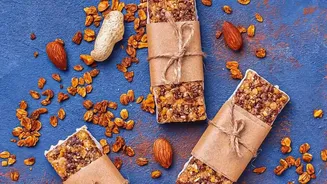
The new snacking priorities have clear heroes: protein and fibre. A 2026 report found that a staggering 86% of Indian consumers consider protein an important factor when choosing a snack. This has pushed brands to fortify their products, moving beyond niche gym-focused items into mainstream daily consumption. You can see this trend in the rise of protein bars as replacements for chocolate bars, or in the formulation of everyday cookies and chips with added protein. Similarly, high-fibre ingredients like millets (jowar, bajra, ragi), oats, and seeds are no longer confined to traditional meals. They are now the star ingredients in baked crackers, breakfast cereals, and even modern versions of classic namkeens.
Decoding the 'Clean Label' Movement
Alongside nutritional content, the demand for 'clean labels' has become a powerful force. While there's no official legal definition, a clean label generally signifies products with short, simple, and recognisable ingredients. It's about avoiding artificial colours, flavours, and preservatives in favour of natural alternatives like turmeric for colour or jaggery for sweetness. One report noted that 61% of consumers prefer snacks sweetened with natural ingredients over refined sugar. This movement is about transparency and trust; consumers want to understand what's in their food without needing a degree in food science. Brands are responding by highlighting 'no-nasties' claims and foregrounding whole, natural ingredients on their packaging.
Startups and D2C Brands Fuel the Change
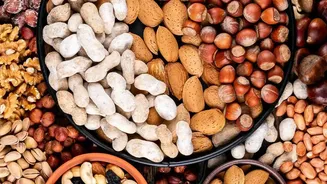
Much of this innovation is being driven by a new wave of direct-to-consumer (D2C) brands that have disrupted the traditional FMCG landscape. Companies like The Whole Truth, Farmley, Yoga Bar, and Slurrp Farm have built their identities around health, transparency, and clean ingredients. They have successfully turned categories like nuts, seeds, and millets into premium, branded experiences. The rapid growth of quick-commerce platforms like Blinkit and Zepto has further accelerated this trend, making it easier than ever for consumers to discover and purchase these healthier alternatives in minutes. This digital-first approach has allowed brands to reach health-conscious audiences in Tier 2 and Tier 3 cities, mainstreaming what was once a niche urban phenomenon.
Are Traditional Snacks Disappearing?
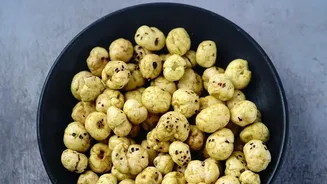
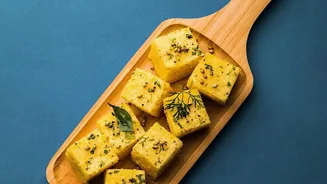
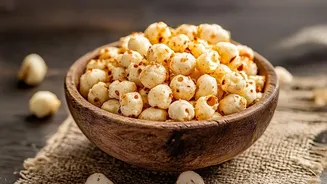
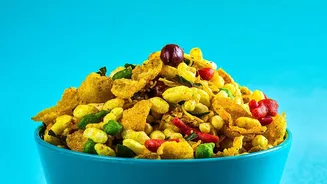
This shift doesn't necessarily mean the end of traditional Indian snacks. Instead, many are being reinvented. You can now find baked or air-fried versions of samosas and chaklis, reducing the oil content without sacrificing the familiar taste. Flavoured makhana (fox nuts) are now a mainstream alternative to potato chips, offering a crunchy yet healthier profile. Even classic ingredients are getting a modern, functional twist, such as flaxseed-boosted savoury whirls or red rice crisps. The trend is less about replacement and more about evolution, offering consumers a way to enjoy familiar flavours in a format that aligns with their new health goals.