


Why Smaller is Smarter
The shift away from bulky furniture is a direct response to modern Indian life. With urban homes, particularly in metro cities, becoming more compact, every square foot matters. Large, ornamental furniture that once symbolised status now often feels impractical,
making rooms feel cramped. Today, luxury isn't about size, but about intelligent design. This change is also driven by evolving lifestyles. The rise of remote work means our living rooms may need to double as offices, and a bedroom might also be a personal gym. This requires furniture that can adapt. Furthermore, there is a growing appreciation for minimalism—not as a cold, empty style, but as a way to create a calm, uncluttered environment that reduces stress. A clutter-free space with fewer, more purposeful items simply feels more peaceful and is easier to maintain.
The Rise of the Transformer
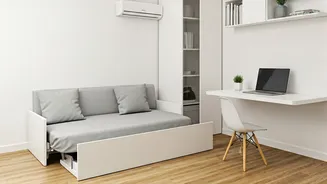
The hero of this new age is multi-functional furniture—pieces that do more than one job. Think of a sofa that seamlessly converts into a comfortable bed for guests, an ottoman with hidden storage for blankets and magazines, or a coffee table that lifts to become a work desk. Extendable dining tables are another popular choice, remaining compact for daily family meals but expanding effortlessly to welcome guests. These “transformer” pieces are game-changers for small apartments, allowing you to maximize utility without sacrificing style. They offer the functionality of multiple pieces of furniture for the price and footprint of one, making them an economical and practical choice.
Clever Storage, Clearer Spaces
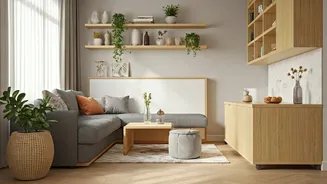
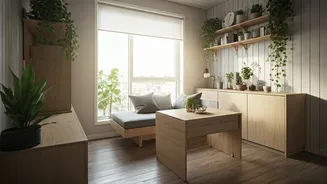
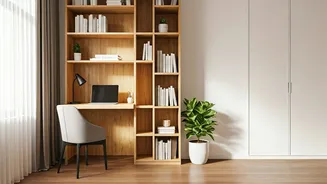
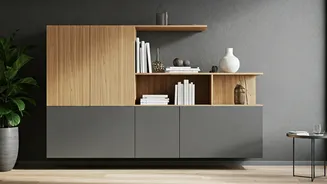
A key principle of space-saving design is to reduce clutter. Instead of heavy wardrobes and chests that eat up floor space, the focus is now on integrated and vertical storage. Beds with built-in drawers underneath can store everything from seasonal clothing to extra linen, eliminating the need for a separate storage unit. Wall-mounted shelves and floating cabinets are another smart solution, drawing the eye upward and freeing up the floor to create a sense of openness. These vertical solutions provide ample storage for books, decor, and daily essentials while maintaining a light, airy feel in the room.
A Lighter Aesthetic
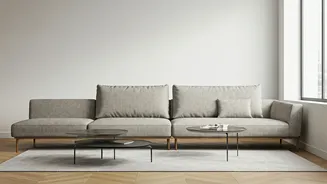
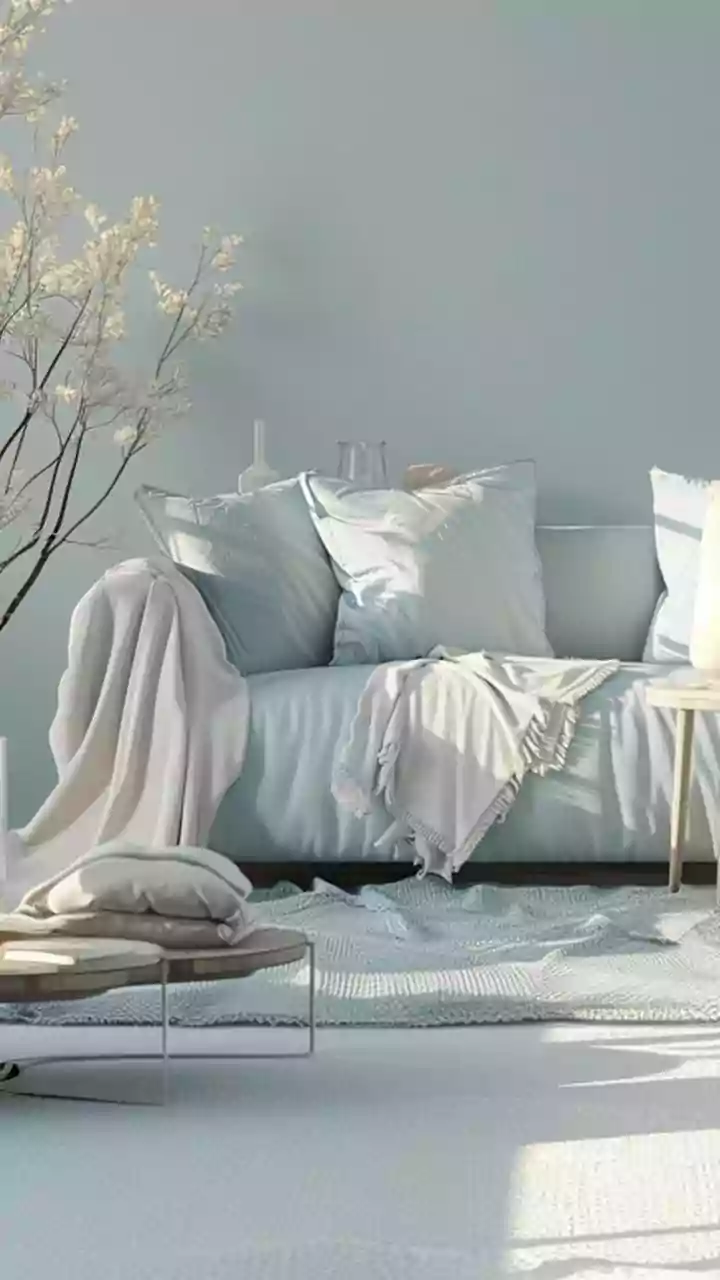
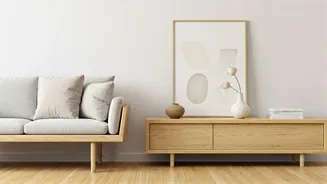
This trend is not just about function; it's also about form. The aesthetic is shifting towards furniture that appears visually lighter. Pieces with raised legs—like sofas, consoles, and sideboards—allow you to see the floor underneath, which creates an illusion of more space. Sharp, boxy silhouettes are being replaced by softer, curved forms that feel more inviting and create better flow. Materials also play a crucial role. The use of natural materials like solid wood, cane, and rattan brings warmth and character. Transparent materials like glass or acrylic for tabletops can make furniture seem to almost disappear, further enhancing the feeling of spaciousness.
Tips for Making the Switch
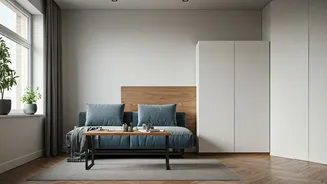
Ready to embrace a more spacious way of living? Start by decluttering. Follow the “one in, one out” rule to keep your possessions in check. Before buying new furniture, measure your space carefully. Choose one or two hero multi-functional pieces to build your room around, like a sofa-cum-bed or an extendable dining table. Opt for a neutral colour palette for larger items, which helps make a room feel bigger, and add personality with smaller decor items, textiles, and plants. Finally, remember that the goal is to create a home that is not just stylish, but also functional, comfortable, and a true reflection of your lifestyle.