

The Protein Push
What was once a niche concern for gym-goers has officially gone mainstream. Protein is now a primary driver in snack choices for a massive segment of the Indian population. A recent large-scale consumer survey found that a staggering 86% of Indians consider
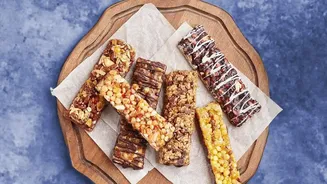
protein content an important factor when selecting a snack. This shift is not just about awareness; it's influencing purchasing power, with nearly a third of consumers stating they are willing to pay a premium for products that deliver on this nutritional promise. This demand is fueling rapid growth in the healthy snacks market, which was valued at over USD 3 billion in 2025 and is projected to see steady growth. The market has responded with a wave of innovation, moving beyond traditional protein bars to include protein-enriched chips made from chickpeas or lentils, high-protein peanut butters, and fortified versions of muesli and granola. This turn towards protein reflects a deeper change in lifestyle, where busy, health-conscious consumers want their snacks to do more than just fill a gap; they want them to contribute to their wellness goals.
The Demand for Clean Labels
Alongside the quest for protein is an equally powerful demand for transparency. Indian shoppers are flipping over packages and reading ingredient lists more carefully than ever before. This has given rise to the “clean label” movement, where consumers favour products with short, simple, and recognizable ingredients. The suspicion of artificial additives, preservatives, and flavours is growing. According to one report, ingredient transparency is the single most important factor for 62% of consumers when choosing a brand, ranking higher than celebrity endorsements. Another study highlighted that 61% of shoppers prefer snacks naturally sweetened with ingredients like dates or jaggery over those with refined sugar. This consumer awakening is forcing brands to reformulate their products, ditching complex chemical names for whole-food ingredients. The trend is evident across categories, from baked, not fried, savoury snacks made with millets to preservative-free sauces and breakfast cereals. Brands that are open about their sourcing and production processes are building a new kind of consumer trust.
How Brands Are Responding
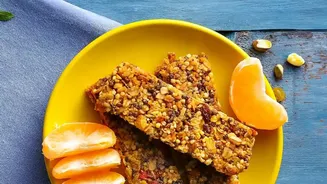
The food industry, from large multinational corporations to nimble startups, is taking note. The market is now filled with new-age brands that have built their identity around clean and functional food. Companies are launching products that directly cater to this evolved consumer, such as vacuum-cooked vegetable chips that retain nutrients without being deep-fried, or protein bars that openly list every ingredient with a promise of “no hidden stuff.” Even traditional snacks are getting a modern, healthy makeover, with options like baked makhana (fox nuts) and millet-based crackers available in popular flavours. The distribution strategy is also evolving. While supermarkets remain a key channel, the growth of online sales and quick commerce platforms has made it easier for consumers to discover and access these healthier alternatives. This digital shift allows smaller, mission-driven brands to compete with established giants by telling their story directly to the consumer.
A Fundamental Shift in Food Culture
This isn’t just a fleeting trend; it appears to be a fundamental and lasting shift in India's food culture. The change is driven by a confluence of factors: rising health consciousness, greater awareness of lifestyle-related diseases, increased disposable incomes, and the widespread availability of information online. Younger generations, in particular, are leading this charge, viewing food choices as an expression of their values and lifestyle. While taste and convenience remain important, they are no longer the only considerations. Functionality, nutrition, and trust are now key pillars of the decision-making process. The modern Indian snacker wants it all: a treat that is both indulgent and healthy, convenient and wholesome. As this mindset solidifies, the line between a simple snack and a mini-meal is blurring, creating a dynamic and rapidly growing market for nutritious, on-the-go options.