







From Influence to Infrastructure
For years, influencer marketing was about awareness—a familiar face telling you about a product. Today, something far more profound is happening in Indian e-commerce. Creators are no longer just at the top of the sales funnel; they are the funnel itself.
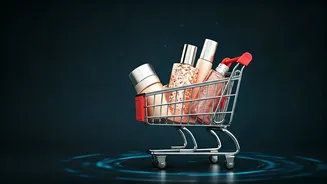
This shift, often called social or creator-led commerce, moves beyond simple endorsements. It integrates the point of sale directly into the content, turning a video review, a livestream, or a curated collection into a direct shopping opportunity. According to a joint report by Google and Deloitte, this creator-led commerce is projected to contribute around $25 billion to India's e-commerce gross merchandise value (GMV) by 2030. [2, 7] This isn't just about influence; it’s about creators becoming a core part of the sales infrastructure. [15, 19]
The Rise of Live and Shoppable Video
At the heart of this transformation is video, particularly in its live and short-form formats. Platforms like Flipkart and Myntra are heavily investing in live commerce, a format that blends the entertainment of a live broadcast with the immediacy of e-commerce. [21, 24] During a livestream, a host—often a trusted creator—can demonstrate products, answer questions in real-time, and offer limited-time deals, creating an engaging and urgent shopping experience. [16, 20] The results are compelling, with viewers showing a nine-fold increase in purchase intent after engaging with shoppable videos. [2] Flipkart has seen a 17-fold increase in daily user engagement with its livestreaming content and is even building dedicated studios to help creators produce high-quality video. [24] It signals a fundamental change: the static product page is making way for a dynamic, interactive, and human-led shopping journey. [6]
Why Now? A Perfect Digital Storm
This trend is accelerating due to a convergence of factors unique to India. The widespread availability of cheap mobile data and smartphones has brought hundreds of millions of Indians online. [8] Simultaneously, the creator economy has matured, producing a diverse ecosystem of influencers who have built deep trust with their communities. This is particularly crucial in Tier-2 and Tier-3 cities, where creators speaking in vernacular languages are onboarding millions of new online shoppers who were previously hesitant to trust traditional e-commerce. [4, 7] Reports suggest that over 65% of Indian internet users prefer content in their native language. [4] As a result, brands are shifting budgets, with regional influencers now commanding a larger share of marketing spend as they connect with audiences in a way polished, metro-centric advertising cannot. [4, 15]
The New Rules of Engagement
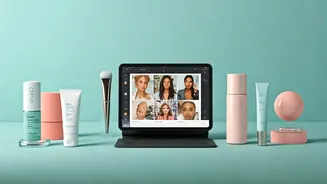
For brands and platforms, adapting to this creator-driven landscape is no longer optional. The playbook is being rewritten in real-time. Success is less about one-off campaigns and more about building long-term partnerships with creators who align with a brand's values. [9, 17] Authenticity is the new currency; nearly two-thirds of shoppers trust influencers for product information and recommendations. [2, 7] Companies like Mamaearth, boAt, and Nykaa have built their brands by leveraging armies of micro- and macro-influencers who create relatable content that resonates with specific communities. [14] This shift also means rethinking measurement. The goal is no longer just 'views' or 'likes' but a direct, trackable path from content discovery to purchase, often facilitated by integrated shopping features on platforms like Instagram and YouTube. [6, 12]
The Future is Relational, Not Transactional
As this trend evolves, the distinction between social media and e-commerce will continue to blur. The future of online retail in India appears to be less transactional and more relational, built on the trust and community that creators foster. While challenges like authenticity fatigue and market saturation may arise, the core driver remains: people buy from people they trust. By 2030, experts predict that one in every three retail purchases in India will be influenced by a creator, up from 20% in 2025. [2] Creators are not just adding 'energy' to shopping feeds; they are fundamentally rewiring the path to purchase for the next generation of Indian consumers, making it more personal, interactive, and entertaining than ever before.