





The End of the Hectic Holiday
For years, the gold standard of a successful weekend trip was a packed schedule. It was about seeing and doing as much as possible: racing between landmarks, booking back-to-back tours, and returning home with a camera full of photos but a body running
on empty. Now, a growing number of travellers are consciously rejecting this 'checklist mentality'. Instead of feeling pressured to see everything, they are choosing to experience fewer things more deeply. This shift marks a rebellion against the idea that a trip's value is measured by its intensity. People are realising that a truly restorative break isn't about escaping life, but about recharging for it.
Welcome to the 'Nothing-Cation'
Enter the era of 'slow travel' and 'sleep tourism'—buzzwords for a trip where rest is the main event. This isn't about being lazy; it's about intentional revitalisation. A rest-focused trip, sometimes called a 'nothing-cation', prioritises unstructured time. It means swapping a museum sprint for an afternoon reading in a local café, or choosing a hotel specifically for its wellness amenities like blackout curtains, spa services, or tech-free rooms designed for deep rest. The goal has shifted from 'seeing' a landmark to 'feeling' a place, whether that means lingering over a long meal or simply enjoying a change of scenery without a rigid agenda. The global sleep tourism market is responding, with projections showing growth of over $400 billion by 2028 as more people seek out trips designed for recovery.
A Reaction to Modern Burnout
So, why the sudden urge to do less? The answer lies in our increasingly hectic daily lives. Widespread burnout, digital fatigue, and the blurring lines between work and home have left many people feeling perpetually drained. According to one survey, the number one reason people travel is to rest and recharge. The constant connectivity of modern life means our brains rarely get a break, and a weekend trip provides a crucial 'mental reset'. By intentionally disconnecting from daily stressors, travellers can lower their cortisol levels, reduce anxiety, and return home with a clearer mind and renewed energy. A change of environment, even for just 48 hours, can interrupt the cycle of stress in a way that staying home often cannot.
How to Plan a Restful Weekend
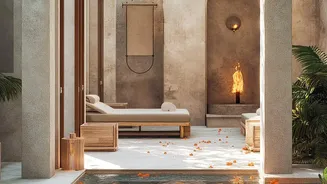
Embracing this trend doesn't require booking an expensive wellness retreat. It's a mindset you can apply to any trip. Start by choosing one location and staying there. Instead of hopping between cities, immerse yourself in a single neighbourhood. Look for accommodation that promotes relaxation—perhaps a quiet cabin, a seaside cottage, or a hotel with a peaceful garden. Pack the book you've been meaning to read and leave your laptop at home. Give yourself permission to have an unstructured day where the only goal is to relax. Explore a local market without a shopping list, take a long walk without a destination, or simply enjoy a nap. The key is to release the pressure to be productive and instead focus on being present.
The Real Souvenir Is Rejuvenation
The benefits of a rest-focused trip extend long after you've returned home. Studies and experts suggest that true downtime can improve sleep quality, boost creativity, and provide lasting stress relief. By allowing your nervous system to shift from 'fight or flight' into a state of rest, you give your body and mind a chance to genuinely heal and recover. Travellers return not with exhaustion, but with a renewed sense of well-being and mental clarity. This approach redefines a successful trip, suggesting that the most valuable takeaway isn't a checklist of sights seen, but a feeling of being truly restored and ready to face the week ahead.