


Embracing the Land of Clouds
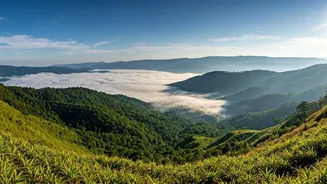
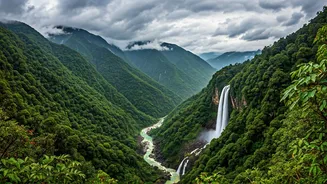
For generations, we’ve been taught to plan our holidays around sunshine. But in Sohra, the town historically known as Cherrapunji, this logic is turned on its head. Located in Meghalaya, 'the abode of the clouds', this region is one of the wettest places
on the planet. While many tourists avoid the monsoon, from June to September, this is precisely when Cherrapunji reveals its most dramatic and awe-inspiring self. The relentless rain feeds a landscape of impossible green, and the waterfalls, which can be modest trickles in the dry season, transform into thunderous spectacles of raw power. A trip here during the rains isn't about avoiding the water; it's about embracing it as the lifeblood of the region and the source of its unique beauty.
Walking on Living Architecture
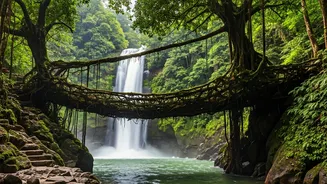
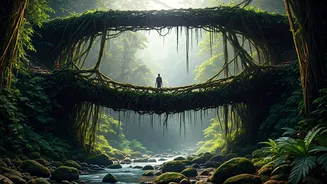
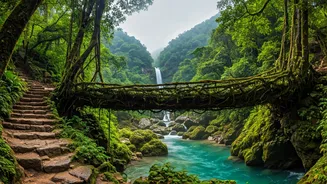
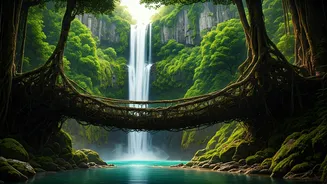
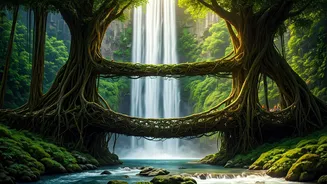
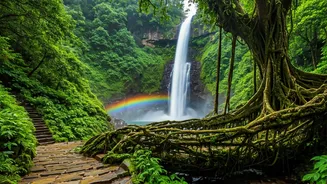
The most iconic symbols of Meghalaya are the Jingkieng Jri, or living root bridges. These are not built, but grown. For centuries, the indigenous Khasi and Jaintia peoples have guided the aerial roots of the Ficus elastica (rubber fig) tree across rivers and gorges, weaving them into natural, sturdy bridges that grow stronger over time. The most famous of these, the Double Decker Root Bridge in Nongriat village, is a two-tiered marvel of bio-engineering that feels like stepping into a fantasy world. Reaching it requires a significant trek of several thousand steps down a steep hillside, but the reward is an unforgettable encounter with a tradition that harmonises human ingenuity with nature. These bridges are a testament to patience and a deep understanding of the forest, representing a sustainable form of architecture that can last for centuries.
The Roar of the Waterfalls
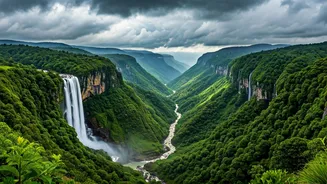
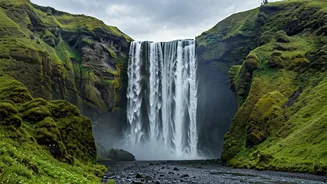
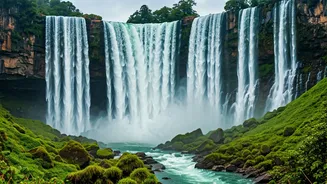
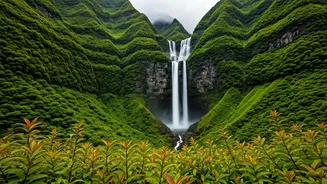
The headline attraction of a monsoon visit is the sheer volume of water. Cherrapunji is home to some of India's most spectacular waterfalls, and they are at their absolute peak during the rainy season. Nohkalikai Falls, the tallest plunge waterfall in India, drops from a mist-shrouded cliff in a single, breathtaking torrent. According to local legend, its name is tied to a tragic tale, adding a layer of poignant history to its beauty. Nearby, the Seven Sister Falls, or Nohsngithiang Falls, presents a wide curtain of seven distinct streams cascading down limestone cliffs—a sight only truly visible during the monsoon months. Then there’s Dainthlen Falls, a powerful cascade spread over a wide, rocky bed, which also has its own local legend involving a giant serpent. Each waterfall offers a different personality, from majestic plunges to wide, roaring flows.
Planning Your Monsoon Adventure
A trip to Cherrapunji during the monsoon requires preparation. This is not a casual getaway. Pack light, but pack smart: a high-quality raincoat is non-negotiable, along with quick-drying clothes and, most importantly, sturdy, anti-slip footwear for trekking on wet and mossy stone paths. While some might be deterred by the trek to Nongriat, local guides are readily available and essential for navigating the trails safely. Accommodations range from basic homestays offering an authentic Khasi experience to more comfortable resorts. Booking in advance is wise, as the region's unique appeal has made it a popular destination for intrepid travellers. Be prepared for potential travel delays due to heavy rain and landslides, and always maintain a flexible itinerary. The key is to slow down and adapt to the rhythm of the rain.