

The Monsoon Challenge for Herbs
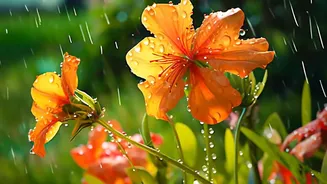
After a scorching summer, the monsoon feels like a blessing for plants. Yet, for potted herbs on a balcony, the continuous rain can be more harmful than helpful. The primary issues are waterlogged soil, high humidity, reduced sunlight, and a subsequent
increase in fungal diseases and pests. Constant wetness suffocates roots, leading to root rot, which is the most common cause of herb death in this season. Symptoms like yellowing leaves, which gardeners might mistake for a lack of water, are often signs of the exact opposite. The key to successful monsoon herb gardening is not about adding water, but managing its excess.
Hack 1: Master the Soil Mix
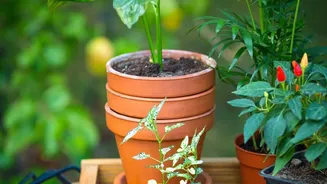
The single most important defence against monsoon damage is a well-draining potting mix. Standard garden soil is too dense and compacts easily in pots, retaining excessive water. Your ideal monsoon mix should be light and airy. Create a blend of one part garden soil, one part compost for nutrients, and one part coco peat or sand to improve drainage and aeration. Adding perlite can further enhance drainage. Before filling your pot, consider adding a layer of broken terracotta pieces or small stones at the bottom to ensure the drainage holes don't get clogged. Using terracotta pots is also a smart move, as they are porous and help wick away excess moisture from the soil, unlike plastic pots.
Hack 2: Water Wisely, Not by Schedule
Your summer watering routine will not work in the monsoon. With high humidity and frequent rain, the soil stays moist for much longer. Watering daily is a recipe for disaster. The golden rule is to check the soil first. Stick your finger about an inch or two into the soil; if it feels damp, do not water. Only water when the top layer of soil begins to feel dry. On days with heavy rainfall, your plants will not need any additional watering. If your balcony is covered and pots aren't getting direct rain, this finger-test method becomes even more crucial to avoid unintended overwatering.
Hack 3: Maximise Light and Airflow
Cloudy monsoon days mean less sunlight. Both mint and basil need adequate light to produce the essential oils that give them their flavour. Basil is a particular sun-lover, needing at least four to six hours of direct sun to truly thrive. Mint is more tolerant of partial shade but still benefits from a few hours of sun. Position your pots in the brightest part of your balcony. Equally important is air circulation. High humidity makes plants susceptible to fungal diseases like powdery mildew and gray mold. Avoid overcrowding your pots. Ensure there is space between plants for air to move freely, which helps leaves stay dry and wards off fungal growth.
Caring for Mint (Pudina)
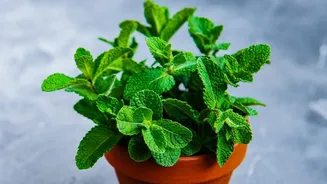
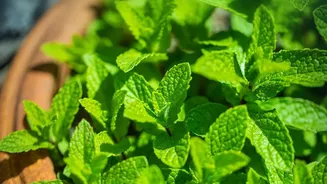
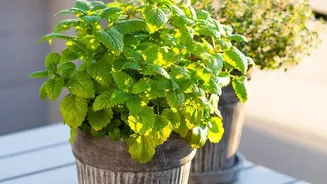
Mint is a vigorous grower but despises waterlogged soil. During the monsoon, its rapid spreading nature can be a plus, but root rot is a major threat. Excellent drainage is non-negotiable. Mint is relatively flexible about sunlight and can do well with just three to four hours a day, making it suitable for balconies that don't get full sun. Harvest your mint regularly by pinching off the top leaves. This encourages the plant to become bushier and more productive, and it also improves air circulation around the base. Keep an eye out for pests like spider mites and aphids, which thrive in humid conditions.
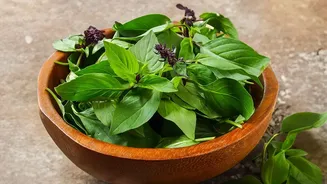
Caring for Basil (Tulsi & Sweet Basil)
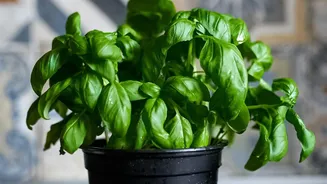
Basil loves warmth and sun but hates having 'wet feet'. It is particularly prone to fungal diseases like downy mildew and fusarium wilt in damp, humid conditions. The leaves may start yellowing, and a fuzzy, greyish growth might appear on the underside. To protect your basil, ensure it gets maximum possible sunlight and is planted in very well-draining soil. Consider giving it some protection from heavy, direct downpours if possible to prevent leaf damage and soil erosion. When watering, try to water the soil directly and avoid wetting the foliage, as this can encourage fungal spores to spread. Holy basil (Tulsi) is generally hardier, but the same principles of good drainage and avoiding water stagnation apply.