






The Double Threat to Visibility
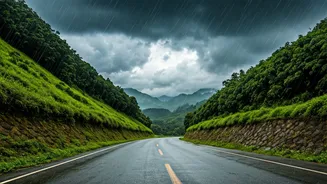
The single most important factor in road safety is visibility, and a monsoon night is its worst enemy. Heavy rainfall alone significantly reduces how far and how clearly you can see. [13] Add darkness to the mix, and your visibility drops to almost zero,
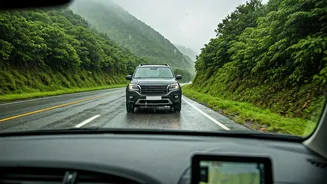
making it incredibly difficult to navigate. [2, 4] Even with powerful headlights, the glare reflecting off curtains of rain can distort your perception of the road and other vehicles. [15] Driving at night requires your eyes to work harder, and the combination of rain, fog, and darkness creates a recipe for disorientation and delayed reactions. [2] Planning your drive during daylight hours is the most straightforward way to ensure you can see what lies ahead. [4]
Hidden Dangers on the Road Surface
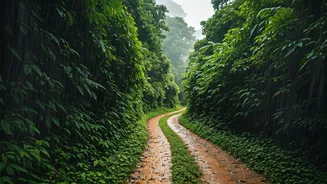
Indian roads take a beating during the monsoon. Heavy rains erode surfaces, leading to a proliferation of potholes and even large craters that can form unexpectedly. [3, 9] During the day, you have a fighting chance of spotting and avoiding these hazards. At night, a puddle could be a shallow pool of water or a deep, axle-breaking pothole. [2] Driving through standing water is always a gamble; you can't see what's underneath, and it could be deep enough to stall your engine or cause you to lose control. [7, 13] Furthermore, wet roads are notoriously slippery, dramatically increasing your vehicle's braking distance. [6] This phenomenon, known as hydroplaning, where a layer of water between your tires and the road causes a loss of traction, is far more dangerous when you can't see the waterlogged patches ahead. [7, 13]
The Unpredictability of Nature
The monsoon's impact isn't limited to the road surface. In hilly or rural areas, the risk of landslides, fallen trees, and flash floods is significantly higher. [3] These events can happen without warning, blocking roads or creating dangerous conditions. While a landslide is a major hazard at any time, seeing the initial signs of debris on the road during the day can give you crucial moments to stop or turn back. At night, you might not see the danger until it's too late. Sticking to main highways and avoiding unverified shortcuts is wise, but even major routes can be affected. [5] Local authorities and apps can provide updates, but driving in daylight remains your best defence against being caught off-guard by a sudden road closure or a more severe natural event. [4]
Access to Help When You Need It
Despite the best preparations, breakdowns happen. Getting a flat tire or experiencing engine trouble is an inconvenience during the day, but it can become a serious problem after dark, especially in remote areas. Most roadside mechanics, tyre shops, and dhabas shut down in the evening. Finding assistance on a deserted, rain-lashed highway at night is incredibly difficult and potentially unsafe. [12] Carrying an emergency kit is essential, but it can't replace the availability of professional help. [3, 6] By ensuring your travel concludes before sunset, you are also ensuring that if you do run into trouble, you are far more likely to find the help you need quickly and safely.
Don’t Miss the Scenery You Came For
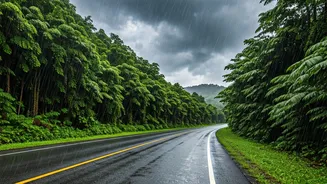
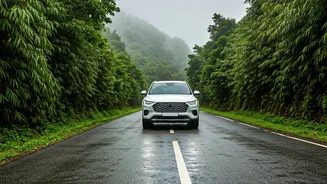
Beyond the critical safety arguments, there's a simpler reason to drive during the day: enjoyment. The entire point of a monsoon road trip is to witness nature's seasonal transformation. [4] The vibrant green landscapes, the roaring waterfalls, the misty valleys, and the dramatic cloud-filled skies are the reward for your journey. [5] Driving at night robs you of this experience, reducing the scenic vistas to a narrow cone of light from your headlamps. You miss the very beauty you set out to find. A road trip is as much about the journey as the destination, and travelling during daylight allows you to fully immerse yourself in the incredible atmosphere of the Indian monsoon.