



The Rise of 'Swicy'
One of the biggest global food trends has found a natural home in India: 'swicy'. The name, a simple portmanteau of sweet and spicy, describes a flavour profile that Indian kitchens have instinctively understood for generations. Think of Gujarati chhhunda,
which balances raw mango with jaggery and spice, or the street-side joy of fruit chaat sprinkled with chilli powder. What makes the current trend different is its modern, cross-cuisine application. Chefs and cafes are drizzling hot honey, often infused with Kashmiri or Byadgi chillies, over everything from pizza to fried chicken. The trend is also heavily influenced by Korean cuisine, with the sweet and fiery notes of gochujang inspiring new dips and glazes. This combination works because the sweetness tempers the spice, while the heat prevents the dish from becoming overly sugary, creating a complex, layered experience that keeps you coming back for another bite.
A Return to Regional Roots
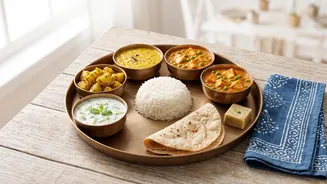
While global flavours are making inroads, there is an equally powerful movement looking inwards. Diners are moving beyond the standard butter chicken and paneer tikka that once defined restaurant menus. There is a growing curiosity and pride in India's vast and varied culinary heritage, with restaurants dedicated to specific regional cuisines gaining immense popularity. Kitchens celebrating the distinct traditions of Kerala, Bengal, Goa, and the Northeast are no longer niche. This shift is driven by chefs championing forgotten recipes and a new generation of diners eager to explore authentic flavours beyond the mainstream. The result is a richer, more diverse dining scene where you are just as likely to find a fiery Goan vindaloo or a delicate Bengali mustard fish as you are a dal makhani.
Hyper-Local is the New Luxury
Digging even deeper than regionalism is the trend of hyper-local sourcing. It’s a movement celebrating ingredients with a specific address—a particular rice from Kerala, a unique rajma from Uttarakhand, or turmeric from Lakadong in Meghalaya. Chefs are building entire menus around ingredients sourced from nearby farms, showcasing micro-cuisines that might otherwise never leave a village or home kitchen. This isn't just about flavour; it's about story. Knowing that your dish features Hmar amsoi (fermented bamboo shoot) from the Northeast or kachri powder from Rajasthan connects the diner to a specific place, community, and tradition. This focus on provenance and small-scale producers is transforming the idea of luxury dining from something imported and exotic to something deeply and proudly Indian.
Indian Fusion Finds Its Voice
Indian fusion cuisine is maturing. The most successful concepts are no longer about novelty for its own sake, but are rooted in genuine cultural stories. Think less confusion, more thoughtful combination. Popular dishes in 2026 include creative formats like 'Na-Cos' (naan tacos) or butter chicken rice bowls, which take a globally recognised flavour and present it in a new, accessible way. The versatility of Indian spices like turmeric, garam masala, and chaat masala allows them to elevate almost any dish they touch. At the same time, this new wave of fusion honours both traditions it combines, often reflecting a chef's personal heritage or a historical cross-cultural connection, like the enduring popularity of Indo-Chinese food.