



The Monsoon's Unofficial Cuisine
It’s a scene that plays out in homes, college canteens, and roadside stalls across the country. The monsoon arrives, and with it, a collective desire for this specific pairing. This isn't just about hunger; it’s a deeply ingrained cultural response. Psychologists
note that this craving is less about nutritional needs and more about the brain's association of this combination with comfort, warmth, and the specific atmosphere of a rainy day. The pairing of fried snacks with tea seems to have become a widespread ritual in urban India during the mid-20th century, cementing its status through family traditions and its romanticised depiction in Bollywood. What began as a simple snack has evolved into the unofficial cuisine of the Indian rains, a tradition passed down through generations.
A Symphony of Sensation
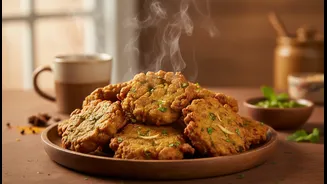
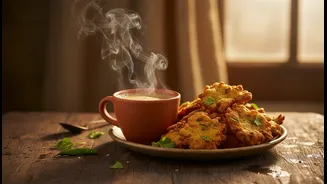
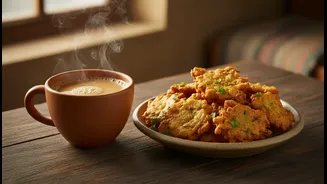
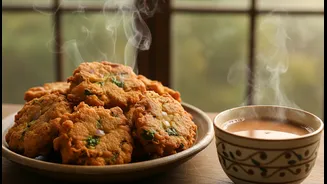
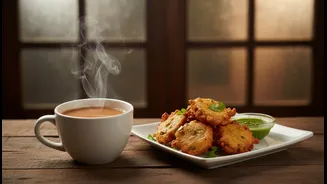
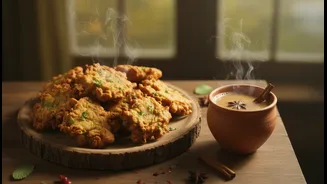
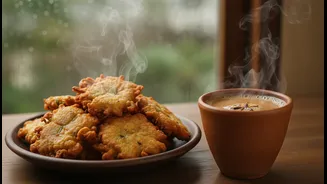
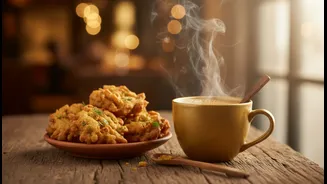
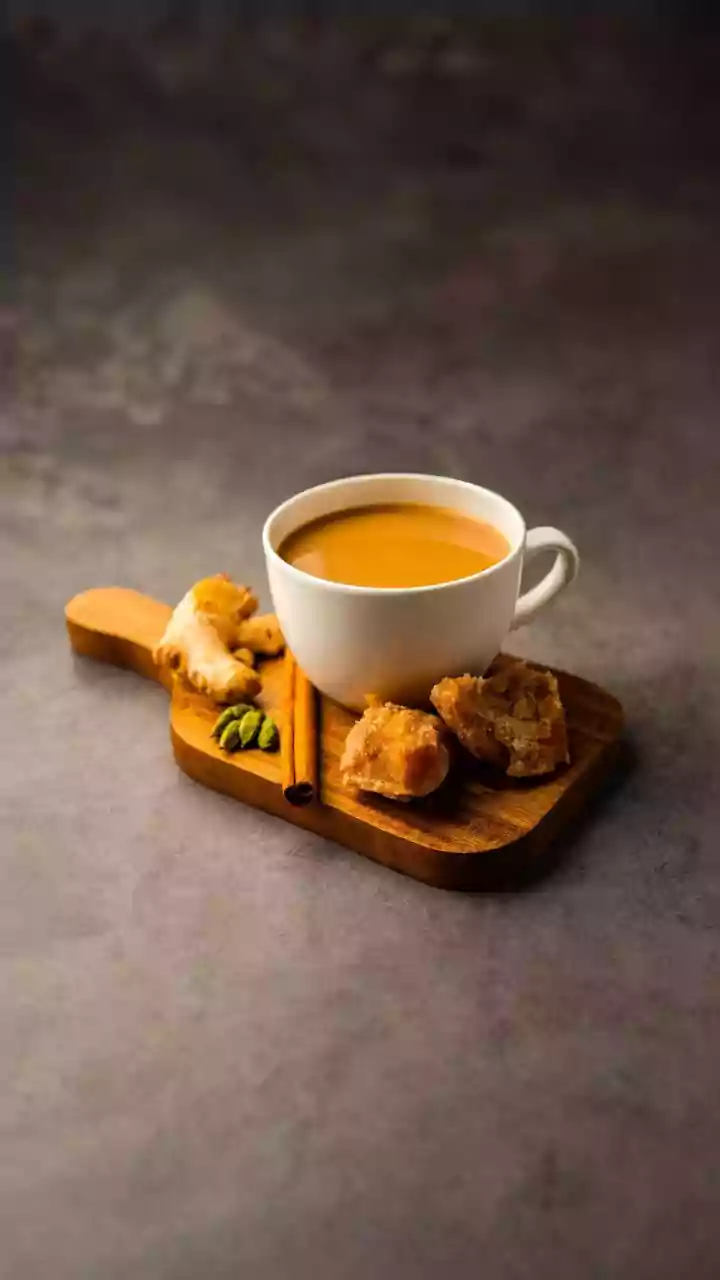
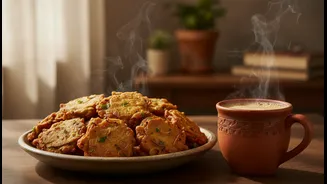
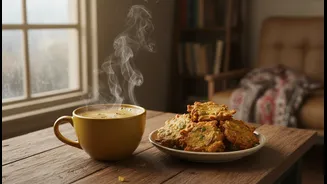
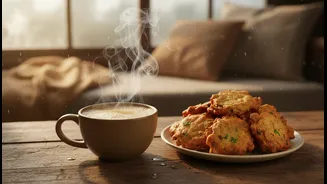
The magic of chai and pakoras lies in the contrast. It’s a masterclass in texture and temperature that delights the senses. Imagine the sensation: the sharp, satisfying crunch of the pakora's golden-fried gram flour exterior, giving way to a soft, spiced interior. This crispiness is immediately followed by a sip of hot, milky, and often spiced masala chai. The warmth of the tea provides a soothing counterpoint to the cool, damp weather outside, enhancing the feeling of comfort. The spices in the chai, like ginger and cardamom, complement the savoury, sometimes spicy, pakoras, creating a balanced and deeply satisfying flavour profile that feels both indulgent and just right.
The Powerful Pull of Food Memory
Why does this particular combination feel so essential when it rains? The answer lies in the powerful link between scent, taste, and memory. Our sense of smell is directly connected to the parts of the brain that process emotion and store memories. The aroma of ginger and cardamom simmering for chai, the sizzle of batter hitting hot oil, and the earthy smell of the first rain are potent triggers. These scents can transport us back to childhood, evoking feelings of safety, care, and happiness. Each bite and sip is not just consumed in the present; it’s layered with the emotional weight of every rainy afternoon spent with family, every shared plate with friends, and every moment of simple, uncomplicated joy. This phenomenon, known as food-evoked nostalgia, is why comfort foods provide more than just sustenance; they offer a connection to our past.
A Ritual of Connection
Beyond the sensory experience, chai and pakoras are central to a cherished social ritual. Throughout India, the act of sharing tea is a symbol of hospitality and community. The evening tea, or 'shaam ki chai', is a cultural anchor in many households, a time for family members to gather, unwind, and connect after a busy day. When it rains, this ritual often becomes more spontaneous and celebratory. The decision to make pakoras is a signal to pause, to come together, and to share a moment. It transforms an ordinary afternoon into a small occasion. Whether enjoyed at a roadside 'tapri' where people from all walks of life gather or in the comfort of a living room, this shared snack strengthens bonds and fosters a sense of belonging.