




Why Humidity Is a Hidden Danger
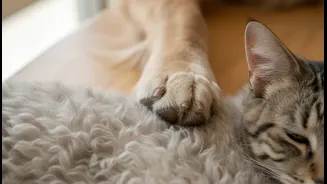
We often focus on high temperatures, but humidity is a critical factor for pet safety. Dogs and cats don't sweat like humans to cool down. Dogs rely primarily on panting, while cats use grooming and the limited sweat glands in their paws. When the air
is saturated with moisture, the evaporative cooling process from panting becomes inefficient. This means even at a moderate temperature of 32°C, high humidity can prevent your pet from cooling down effectively, causing their body temperature to rise to dangerous levels. This risk is especially pronounced in poorly ventilated apartments, top-floor flats, and west-facing homes that trap heat and moisture.
Recognising the Warning Signs of Overheating
Early detection is crucial to prevent a medical emergency. The initial signs of heat stress can be subtle. For dogs, look for excessive or heavy panting, restlessness, and thick drool. Cats may pant with an open mouth (which is unusual for them), become restless, or groom themselves excessively. As the condition worsens into heatstroke, symptoms become severe for both dogs and cats. These include bright red, purple, or pale gums, disorientation or stumbling, vomiting, diarrhoea, weakness, and eventual collapse or seizures. At this stage, organ damage can occur rapidly, and the situation is life-threatening.
Which Pets Are Most at Risk?
While any pet can overheat, some are far more vulnerable. Brachycephalic (flat-faced) breeds are at extremely high risk. Popular Indian breeds like Pugs, Shih Tzus, Boxers, and Persian cats have compromised airways that make panting inefficient even in normal conditions. Their anatomy makes them unable to cope with heat stress effectively. Other high-risk groups include very young puppies and kittens, senior pets, overweight animals, and those with thick, dark coats or underlying health issues like heart or respiratory conditions. These pets require extra vigilance and should be kept in cool environments, especially during the hottest parts of the day.
Simple Ways to Keep Your Home Cool
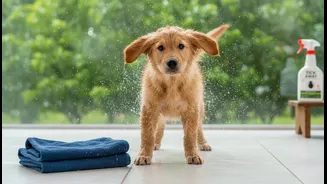
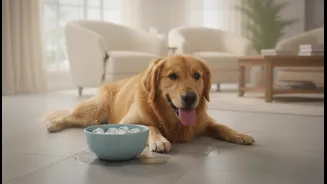
Keeping your pet safe indoors doesn't always require constant air conditioning. Ensure there is good ventilation by using fans to circulate air. Closing curtains or blinds during peak sun hours (10 a.m. to 4 p.m.) can significantly reduce indoor temperatures. Always provide multiple bowls of fresh, cool water, and consider adding ice cubes. You can create cool resting spots by letting your pet lie on tile floors or providing a cooling mat. Simple DIY solutions, like placing a damp towel for them to lie on or a frozen bottle of water wrapped in a cloth nearby, can also offer relief. Avoid strenuous indoor play during the hottest part of the day.
What to Do in an Emergency
If you suspect your pet is suffering from heatstroke, you must act immediately. The primary goal is to cool your pet down while preparing to get them to a veterinarian. Move them to the coolest area of the house, like an air-conditioned room or in front of a fan. Begin cooling them by applying cool (not ice-cold) water to their body, focusing on their paws, neck, and belly. Do not use ice or very cold water, as this can constrict blood vessels and trap heat, or cause shock. Offer small sips of cool water if they are conscious, but don't force them to drink. It is critical to contact your vet immediately; even if your pet seems to recover, they need to be checked for internal damage.