





The Philosophy of Smart Snacking
The goal for a day trip isn't to pack a three-course meal, but to carry just enough high-quality fuel to keep your energy levels stable and your spirits high. The strategy is to choose foods that are nutrient-dense, low in weight, and require minimal
preparation or refrigeration. Think of it as curating a mobile pantry that serves your needs without becoming a burden. Before you pack, consider the length of your trip, the intensity of your activities, and the availability of food at your destination. This will prevent you from both under-packing and over-packing.
Prioritise Protein and Healthy Fats
Protein and fats provide sustained energy and keep you feeling full longer than simple carbohydrates. They are the cornerstones of an efficient travel food bag. Nuts and seeds, such as almonds, walnuts, and pumpkin seeds, are lightweight, calorie-dense powerhouses. Nut butter packets are another excellent, no-mess option. For a savoury choice, consider beef jerky or other dried meats, which are packed with protein and require no refrigeration. Hard cheeses can also travel well for several hours and provide a satisfying dose of fat and protein. These options give you the most energy for their weight.
Choose Complex Carbs for Endurance
While protein and fats are for staying power, complex carbohydrates offer the ready energy needed for walking, hiking, or exploring. However, not all carbs are created equal for travel. Opt for whole-grain crackers, granola bars, or trail mix that includes nuts and dried fruit. These release energy more slowly than sugary snacks, preventing a spike-and-crash cycle. Instant oatmeal cups are another great idea if you have access to hot water. Avoid bulky items like large bags of chips or fluffy bread, which take up a lot of space for less nutritional return. Tortillas or wraps are a more compact alternative to traditional bread for sandwiches.
Pack Durable Fruits and Vegetables
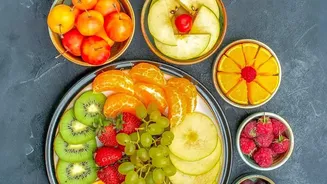
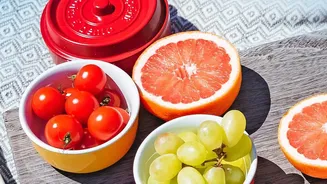
Fresh produce is great for hydration and nutrients, but delicate items can easily turn into a mess. Choose sturdy options that can withstand a bit of jostling. Apples, oranges, and pears are excellent choices. Baby carrots, celery sticks, and bell pepper slices are also resilient and refreshing. If you pack softer fruits like berries, use a hard-sided container to protect them. Dried fruits like apricots, raisins, or mango slices offer a concentrated source of energy and sweetness without the risk of bruising or leaking.
Smart Packing and Food Safety
How you pack is as important as what you pack. Use leak-proof, reusable containers to prevent spills and reduce waste. Packing food in portioned amounts makes it easier to manage and helps you avoid carrying home leftovers. When it comes to food safety, remember the two-hour rule: perishable foods like meats and dairy should not be left at room temperature for more than two hours (or one hour if temperatures are high). If you must bring something perishable, use an insulated bag with a frozen gel pack or a frozen water bottle, which will thaw into cold drinking water by lunchtime.
What to Leave at Home
To keep your bag light and your journey pleasant, avoid certain foods. Anything that is overly fragrant, such as tuna or hard-boiled eggs, might not be considerate if you're in a confined space. Leave behind items that require lots of assembly, are prone to leaking, or can spoil easily without refrigeration, like yogurt, soft cheeses, or salads with dressing already on them. The key is to favour foods that are simple, self-contained, and shelf-stable for the duration of your trip.