



The Protein Gap and the Flavour Clash
India faces a significant, if quiet, protein deficiency problem. Studies have repeatedly shown that a large portion of the population, even in urban areas, doesn't consume enough protein. A major reason for this is that traditional Indian diets, while
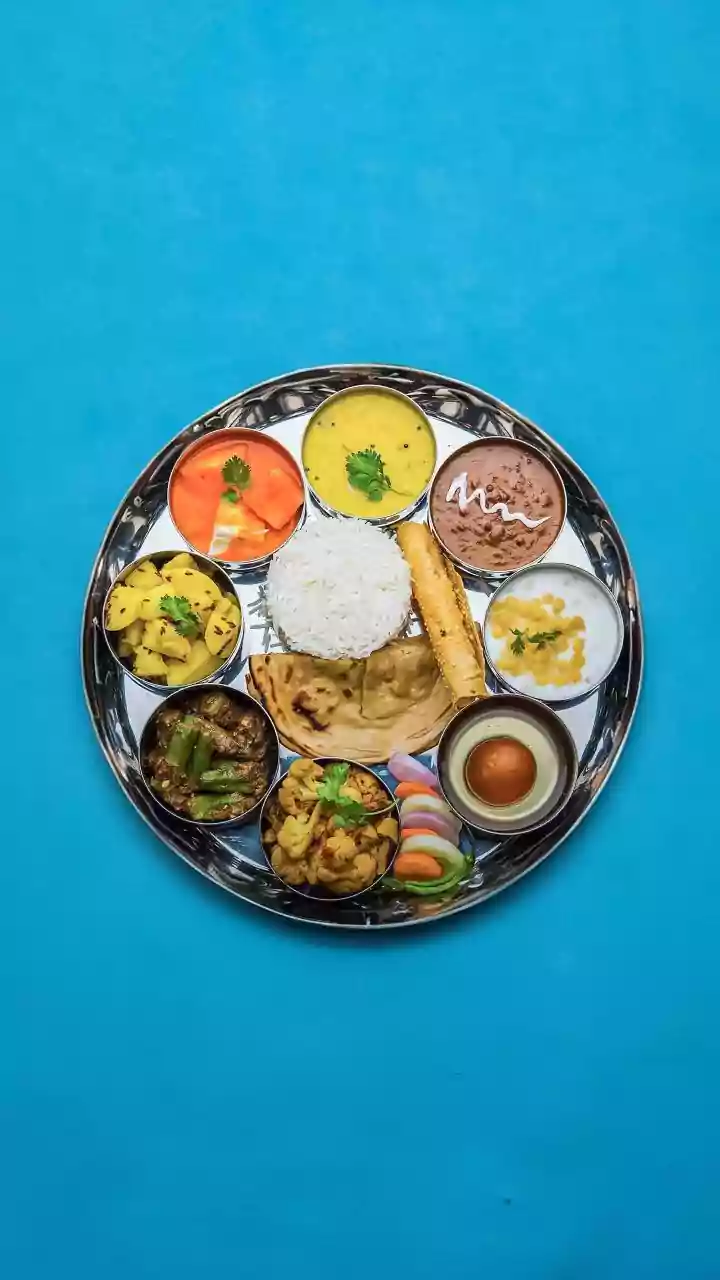
rich in many nutrients, are often carbohydrate-centric, with rice and roti taking centre stage. For decades, the global fitness industry's answer to this has been the protein supplement, most commonly a sweet, flavoured powder mixed with milk or water. However, this solution presents a cultural and culinary mismatch. Indian meals are overwhelmingly savoury, built on a complex palette of spices, herbs, and fermented flavours. A chocolate or vanilla-flavoured shake simply doesn't fit into a meal plan that includes dal, sabzi, and roti. It feels less like a part of a meal and more like a medicine you have to get through.
A Return to Traditional Tastes
This is where savoury protein formats come in. The core idea is simple: instead of forcing a foreign taste profile, why not integrate protein into the flavours people already know and love? The Indian palate is conditioned for savoury, spicy, and tangy notes from breakfast to dinner. Think about it: a breakfast of poha or upma, a lunch of dal-roti, and a dinner of curry and rice are all savoury experiences. Introducing a supplement that aligns with this preference makes it an enhancement rather than a disruption. This approach is not about reinventing the Indian plate, but fortifying it. By making protein additions savoury, they can be seamlessly mixed into existing dishes, from your morning dosa batter to your evening soup, making the entire process feel more intuitive and sustainable.
Beyond the Shaker Bottle
The market is responding to this need with a wave of innovation that goes far beyond the gym-focused shaker bottle. Companies are now developing products designed to be cooked with. This includes unflavoured or mildly savoury protein powders made from plant sources like peas or brown rice that can be added to atta for rotis, mixed into dosa or idli batter, or stirred into gravies and dals to increase their nutritional value without altering the taste significantly. We are also seeing the rise of protein-fortified versions of pantry staples. Major brands like Amul have launched high-protein dahi, paneer, and even buttermilk, making it easy for consumers to boost their intake through everyday products. Even ready-to-drink options are getting a savoury makeover, with innovations like a 'Gazpacho' flavoured protein drink offering a refreshing, non-sweet alternative.
How to Choose a Savoury Protein
With more options comes the need to choose wisely. If you're looking to add savoury protein to your diet, start by thinking about how you plan to use it. For mixing into existing recipes like dals or curries, an unflavoured plant-based or whey concentrate is versatile. Check the ingredient list to ensure it’s a high-quality protein source without excessive additives. For snacking, fortified products like high-protein yoghurt or savoury snacks like roasted chana are great options. It's also important to manage expectations; these are supplements, not magic bullets. The goal is to bridge a nutritional gap in a diet that should still be based on whole foods. The best approach is to include a source of protein in every meal, using these new formats as a convenient and culturally-friendly tool to help you get there.