



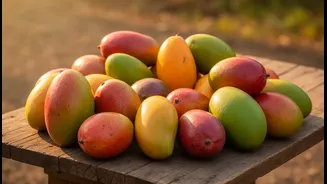


More Than Just a Sweet Treat
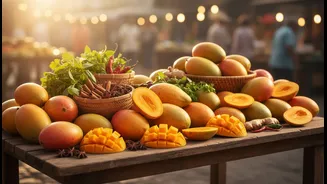
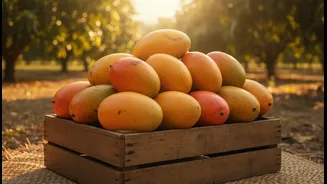
For decades, mango festivals have been a beloved tradition, celebrating the undisputed 'king of fruits'. Events like Delhi's International Mango Festival, running since 1987, and various state-level fairs in Uttar Pradesh and West Bengal, have drawn crowds
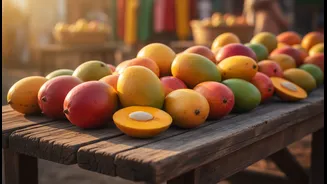
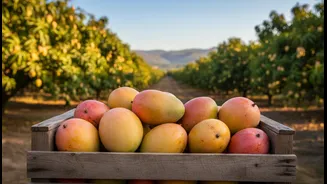
with mango-eating competitions, cultural programmes, and stalls overflowing with juicy produce. But in recent years, a significant shift has been underway. Organisers and farmers are increasingly using these platforms to look beyond the handful of commercially dominant varieties that most consumers know and love. They are transforming these gatherings into a celebration of India's vast and often overlooked mango heritage, connecting urban consumers directly with the farmers who act as custodians of this genetic diversity.
Rediscovering a World of Flavours
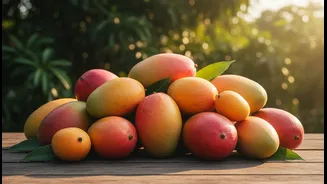
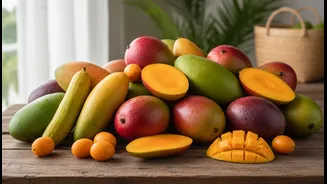
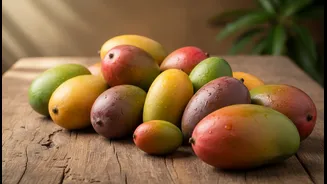
While names like Alphonso, Langra, and Kesar dominate the market, India is home to over a thousand mango varieties, each with a unique history, taste, and texture. Festivals are now making a conscious effort to bring these lesser-known gems into the spotlight. In West Bengal's Malda district, known as the "mango district," recent festivals have aimed to reintroduce almost-forgotten varieties like Ashudagi, Batashi, and Dudhiya. Similarly, the Murshidabad Mango Festival showcases Nawabi-era cultivars seldom found outside historic orchards, such as the aromatic Kohitur and the intensely sweet Bimli. These events allow visitors to taste and learn about mangoes like Imam Pasand, a royal favourite from the south, or Gulab Khaas from Bihar, which has a distinct rosy fragrance. By presenting this staggering variety, festivals challenge the monoculture of the market and expand the public's palate.
A Classroom in an Orchard
The educational mission of these festivals is becoming more explicit. Many events now feature workshops on organic farming, biodiversity walks, and direct interactions with horticultural experts. Visitors learn that the number of mango varieties in a region like Malda has shrunk from around 350 to 240, highlighting the urgent need for conservation. Officials and organisers use these platforms to make people aware of this rich, disappearing heritage. Some festivals in Lucknow have showcased over 700 or 800 varieties, aiming to educate visitors who might think only five or six types exist. This hands-on experience—seeing, smelling, and tasting the diversity—is a powerful lesson in why preserving agricultural biodiversity matters not just for ecological balance, but for culture and cuisine as well.
Supporting the Custodians of Diversity
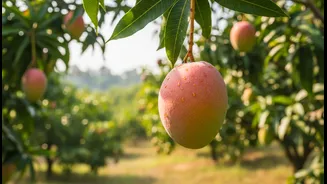
Behind every rare mango is a farmer, often a 'custodian farmer', who has maintained these traditional varieties, sometimes for generations. These festivals provide a crucial platform for these growers, giving them direct access to appreciative urban markets and transparent sales. This helps make the cultivation of heirloom varieties economically viable, encouraging farmers to continue preserving them. For instance, the Lucknow Farmers Market's annual festival focuses on bridging the gap between city consumers and rural growers, boosting eco-tourism and providing farmers with increased visibility. By popularising rare varieties like Mishrikanda and Rakhalbhog, the hope is that public demand will encourage more farmers to cultivate them, pulling them back from the brink of extinction and potentially even securing prestigious GI (Geographical Indication) tags for them in the future.