


Why Monsoon Humidity Changes Everything
During dry summer months, water evaporates quickly from soil and plant leaves. But when the monsoon arrives, the air becomes saturated with moisture. This high humidity dramatically slows down evaporation and a process called transpiration, where plants
release water vapour from their leaves. Because the soil stays moist for much longer, plants simply don't need as much water. Continuing a summer watering routine is one of the biggest mistakes a plant owner can make, often leading to waterlogged soil and unhappy roots.
Ditch the Schedule, Check the Soil
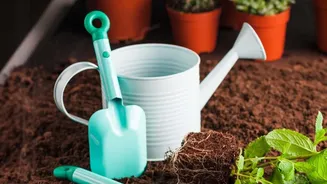
The single most important rule for monsoon watering is to forget a fixed schedule. Watering every few days out of habit is a recipe for disaster. Instead, you must check the soil moisture before even thinking about reaching for the watering can. The best method is the finger test: insert your finger about one to two inches into the soil. If it feels dry at that depth, it's time to water. If you feel any moisture, wait another day or two and check again. For many common indoor plants, this might mean watering only once every 10 to 15 days during the peak of the rainy season.
Spotting the Signs of Overwatering
Plants give clear signals when they are getting too much water. The most common sign is yellowing leaves, especially older ones, that feel soft and limp rather than dry and crispy. You might also notice drooping stems, a musty or rotten smell from the soil, or even fungal growth like mould on the soil surface. In some cases, overwatered plants can look wilted, which is confusing because underwatered plants also wilt. The key difference is that an overwatered plant's soil will be damp, while an underwatered plant's soil will be bone dry.
Adjusting for Different Plant Needs
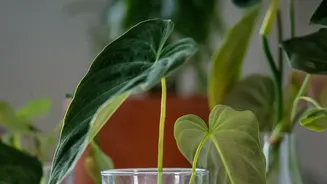
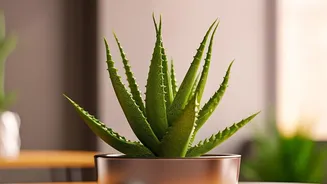
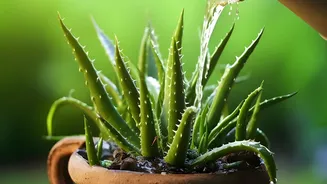
Not all plants have the same thirst level. Desert dwellers like succulents and cacti, which store water in their leaves, need even less frequent watering during the monsoon. Let their soil dry out completely between waterings. Tropical plants like ferns, philodendrons, and peace lilies enjoy the high humidity, but their roots are still susceptible to rot in constantly wet soil. While they appreciate the moisture in the air, you should still reduce the frequency of watering their soil, always checking for dryness first.
Beyond Watering: Essential Monsoon Care
Proper watering is key, but a few other adjustments can help your plants thrive. Ensure your pots have excellent drainage holes to let excess water escape. If a pot sits in a saucer, be sure to empty any collected water promptly. Good air circulation is also vital to prevent fungal diseases that flourish in damp, stagnant conditions, so try not to crowd plants together. Finally, since plants grow more slowly with reduced sunlight on cloudy days, you should also reduce or pause your fertilizing schedule until the brighter, drier weather returns.