






Confirmed: Prices Are Going Up
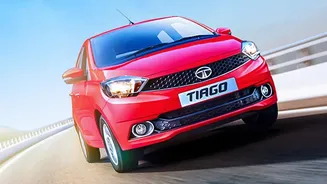
It’s official. Come September 1, 2026, buying a new car from several of India's leading manufacturers will be a costlier affair. Tata Motors has announced an increase of up to ₹25,000 across its entire portfolio, which includes both petrol, diesel, and
electric vehicles. Similarly, Hyundai will be implementing a price hike of up to 1% across its model range. These companies are joining others like Maruti Suzuki, which already revised its prices in August, signalling a broader industry trend. Automakers have stated that they are absorbing a significant portion of the increased costs, but passing on a part of the impact has become necessary.
Why the Sudden Increase?
The primary reason cited by automakers is the persistent pressure from rising input and commodity costs. This refers to the price of raw materials essential for manufacturing, such as steel, aluminium, and components for EV batteries, which have seen sustained inflation. Beyond materials, companies also point to higher operational expenses and ongoing geopolitical and macroeconomic uncertainties that affect supply chains and currency exchange rates. This isn't a one-off event; for many of these companies, this marks the third round of price increases in 2026, highlighting the continued economic pressures they face.
Which Cars and Segments Are Affected?
The price hikes are largely across the board, affecting a wide range of models and variants rather than being confined to a specific segment like SUVs or EVs. Tata Motors has confirmed the increase will apply to both its internal combustion engine (ICE) and electric vehicle (EV) lineups. For Hyundai, the 1% increase will be implemented across its entire portfolio, from the Grand i10 Nios to the Creta and Alcazar. While the headline figures are up to ₹25,000 for Tata and 1% for Hyundai, the exact increase for a customer will depend on the specific model and variant they choose. This means pricier, top-end variants will naturally see a larger absolute increase in their ex-showroom cost.
The Big Question: Buy Now or Wait?
With confirmed price hikes just around the corner, the end of August presents a clear, albeit brief, window of opportunity for prospective buyers. Purchasing a car before September 1 means you lock in the current, lower price. Dealerships are often motivated to clear out existing inventory before a price revision, which could give you some additional negotiating power on certain models. However, the decision isn't always that simple. The increase is happening just before the start of India's festive season, a period that traditionally brings a host of discounts, special finance schemes, and exchange bonuses. Waiting might mean paying a higher sticker price but potentially gaining access to attractive festive offers that could offset some of that increase.
A Smart Buyer's Strategy
If your heart is set on a specific model from a manufacturer that has announced a price hike, acting before the end of August is the most straightforward way to save money. Visit dealerships now, check for available inventory, and don't hesitate to negotiate. Ask about any ongoing 'month-end' or pre-hike offers that might be available. If you are flexible with your choice of brand or model, your options expand. Some manufacturers may not have announced hikes, or their increases might be less significant. Alternatively, if the discounts are not compelling enough right now, you could hold off until the festive offers are announced in September or October. While the base price will be higher, a great festive deal on insurance, accessories, or financing could still make it a worthwhile proposition.