







The Humble Power of Jute
Often called the 'golden fibre' for its natural, lustrous hue, jute is a long, soft vegetable fibre spun into strong threads. [11] This humble material, cultivated for centuries in regions like India and Bangladesh, is celebrated for its strength and durability.
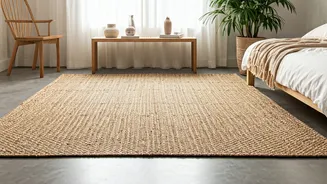
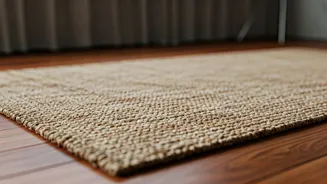
[11, 16] Its inherent qualities make it perfect for home furnishings, especially rugs, which are known for their pleasingly coarse texture and earthy appeal. [19] The natural tan colour of jute provides a neutral, grounding base that complements a wide array of decor styles, from modern minimalist to rustic farmhouse and breezy coastal looks. [3, 25]
An Eco-Friendly Foundation
In an era of conscious consumerism, jute stands out as a champion of sustainability. The jute plant grows incredibly fast, reaching maturity in just four to six months, making it a highly renewable resource. [2] Its cultivation requires minimal water, pesticides, or fertilisers. [2, 5] Jute plants also absorb significant amounts of carbon dioxide from the atmosphere, contributing positively to the environment. [2, 6] When a jute rug reaches the end of its long life, it is fully biodegradable, meaning it will naturally decompose without leaving harmful residues in a landfill. [2, 8] This makes it a far superior choice to synthetic rugs made from fossil fuels, which can take hundreds of years to break down. [2]
Styling for Every Space
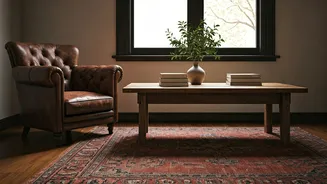
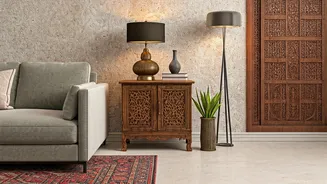
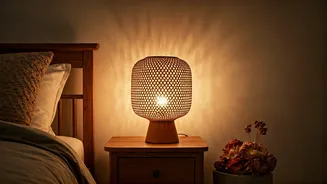
The versatility of jute rugs is one of their greatest strengths. In a living room, a large jute rug can anchor the furniture and create a cohesive, inviting zone. [16] For added visual interest, you can layer a smaller, more colourful or patterned rug on top. [17, 21] In the bedroom, a jute rug underfoot adds a touch of warmth and softness, creating a serene, natural sanctuary. [14] Its texture works beautifully in neutral rooms, preventing an all-white or beige space from feeling flat. [14] Even in dining areas, a durable, tightly-woven jute rug can define the space, though it's wise to be mindful of spills. They are also a fantastic choice for high-traffic areas like hallways, thanks to their robust nature. [11, 17]
Beyond the Natural Look
While the classic natural tan rug is timeless, the world of jute rugs offers surprising variety. You can find jute rugs in different weaves, from chunky, braided styles that offer a rustic, tactile experience to tighter, flatweave designs like herringbone that feel more refined. [20] Many modern jute rugs are also available in dyed colours or printed with patterns, offering a playful twist on the traditional fibre. [25] For those seeking extra softness, jute is often blended with other natural fibres like cotton or wool, which can enhance comfort and introduce different textures. [20]
Caring For Your Jute Rug
Proper care is essential to ensure your jute rug lasts for years. Regular vacuuming, using a suction-only setting without a beater bar, is key to removing dust and debris from the weave. [1, 7] Since jute is a natural fibre that is highly absorbent, it's crucial to keep it dry. [1, 4] Spills should be blotted immediately with a clean, dry cloth; never rub. [10] For stains, a mild solution of water and white vinegar or a gentle soap can be dabbed on sparingly, but the area must be dried thoroughly afterwards to prevent moisture damage or mildew. [1] It’s best to avoid placing jute rugs in damp environments like bathrooms. [4] Rotating the rug every few months will also help ensure it wears evenly. [1]