






From Window Shopping to Scrolling
The modern Indian shopping experience has shifted from physical marketplaces to digital ones. Instead of relying on store displays, consumers are now discovering products while scrolling through Instagram and Facebook. A recent study highlights this seismic
shift, revealing that nearly 80% of Indian shoppers find new products via social media. This trend, often called 'discovery commerce,' means brands are no longer just waiting to be found through a search engine. Instead, they are appearing directly in users' feeds through engaging content, short-form videos, and posts from friends or influencers. This passive discovery process has turned social platforms into the world's largest, most personalised shopping malls, where inspiration strikes between status updates and stories.
The Power of Digital Word-of-Mouth
Before the internet, word-of-mouth recommendations were limited to one's immediate circle. Today, online reviews serve as word-of-mouth on a massive scale. For Indian consumers navigating the vast world of e-commerce, reviews and star ratings have become crucial tools for building trust and reducing the perceived risk of buying something sight unseen. Studies show that positive reviews significantly increase a consumer's trust in a business. This is particularly true for Gen Z shoppers in India, whose purchasing behaviour is strongly and positively affected by online review attributes. The volume and quality of reviews can directly impact sales, acting as a powerful form of social proof that validates a shopper's choice before they click 'buy'.
The Rise of the Influencer Economy
Influencer marketing has exploded into a multi-crore industry in India, fundamentally altering how brands connect with customers. It's no longer just about celebrity endorsements. A new generation of content creators, from nano-influencers with a few thousand followers to macro-influencers with millions, now holds significant sway. These creators build credibility through authenticity and niche expertise, whether in fashion, technology, or beauty. Over two-thirds of Indian social media users turn to influencers for product discovery and information. This has proven incredibly effective, with one study showing that a staggering 96% of young consumers have purchased a product based on an influencer's suggestion. Brands are increasingly prioritising content quality and engagement rates over simple follower counts, seeking authentic connections that translate into sales.
Social Commerce: The Seamless Checkout
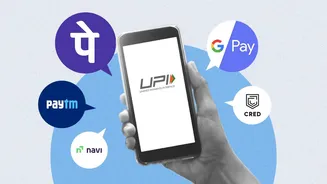
The latest evolution in this trend is social commerce—the ability to purchase products directly within a social media app without leaving the platform. India's social commerce market is projected to grow exponentially, potentially reaching USD 60-70 billion by 2030. This growth is fuelled by the integration of features like 'shoppable posts' on Instagram and the rise of platforms like Meesho, which leverage social networks like WhatsApp for reselling. The widespread adoption of UPI has been a critical enabler, making micro-transactions seamless and removing payment friction. This trend is especially powerful in Tier-2 and Tier-3 cities, where trust in community and social validation often outweighs trust in traditional e-commerce websites.
Navigating the Trust Deficit
While the influence of social proof is undeniable, it is not without its challenges. The primary hurdle for consumers and brands alike is the issue of authenticity. The proliferation of fake reviews and undisclosed paid promotions can erode the very trust that makes this ecosystem work. Astute consumers are becoming more critical, looking for signs of genuine feedback versus manipulated content. Research shows that while positive reviews boost sales, a small number of negative reviews can actually improve conversion rates by making the overall review profile appear more authentic. For influencers, credibility and relatability have become the most valued traits, with audiences increasingly favouring creators who feel genuine over those who simply advertise.