




Understanding Your Succulent’s Nature
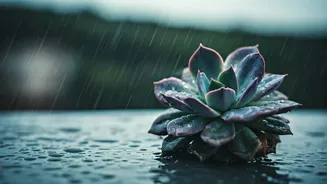
Succulents are plants native to arid, desert-like environments. Their defining characteristic is the ability to store water in their fleshy leaves, stems, and roots, which helps them survive long periods of drought. [3] This amazing adaptation, however,
becomes their biggest vulnerability in a humid climate. Think of them as tiny, self-sufficient camels. They are designed to hold onto water, not to be constantly surrounded by it. When the air itself is full of moisture, as it is during the Indian monsoon, the entire equation of their survival changes.
Why High Humidity Is a Danger
During periods of high humidity, the air is saturated with water vapour. [2] This has two major effects on your succulents. First, the soil in their pots will take much, much longer to dry out after being watered. [3] A pot that might dry in three days during a dry winter could stay damp for over a week in the monsoon. Second, succulents can actually absorb a small amount of moisture directly from the air. [6, 8] This reduces their need to draw water from their roots. When you continue to water them on a regular schedule during a humid spell, you are essentially topping up a tank that is already full. This constant dampness creates the perfect storm for disaster.
The Silent Killer: Root Rot
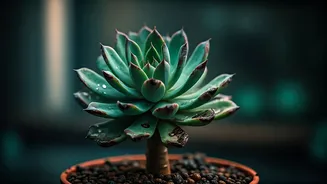
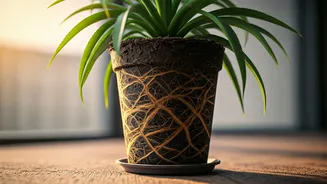
The single greatest threat to a succulent in humid weather is root rot. [1, 5] This is a fungal disease that thrives in overly moist and poorly aerated soil. When the roots are constantly sitting in dampness, they can't breathe. They begin to decay, turning soft, black, and mushy. [9] The cruel irony of root rot is that the plant above the soil might look thirsty—with yellowing, droopy leaves—prompting you to water it even more. [9] But this is a sign of the roots being unable to absorb any water or nutrients, not a sign of thirst. By the time you notice the stem turning soft and black at the base, it's often too late to save the plant. [9, 13]
The New Watering Rule: When in Doubt, Don’t
So, how do you water them? The answer is simple: very, very carefully and much less often. Throw your weekly watering schedule out the window. During the monsoon, your watering frequency might drop to once every 15 to 20 days, or even less. [5, 12] The only reliable method is to check the soil. Don't just touch the surface; stick your finger or a dry wooden skewer two inches into the soil. [5, 9] If you feel any moisture at all, or if the skewer comes out with damp soil clinging to it, do not water. Wait until the soil is completely bone-dry all the way through. It is always better to underwater a succulent than to overwater it, especially in high humidity. [4]
Beyond Watering: Essential Monsoon Care
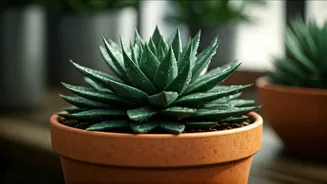
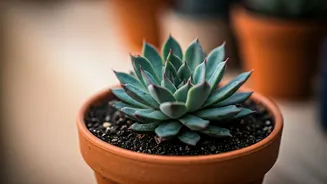
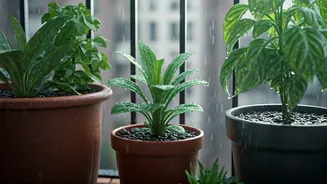
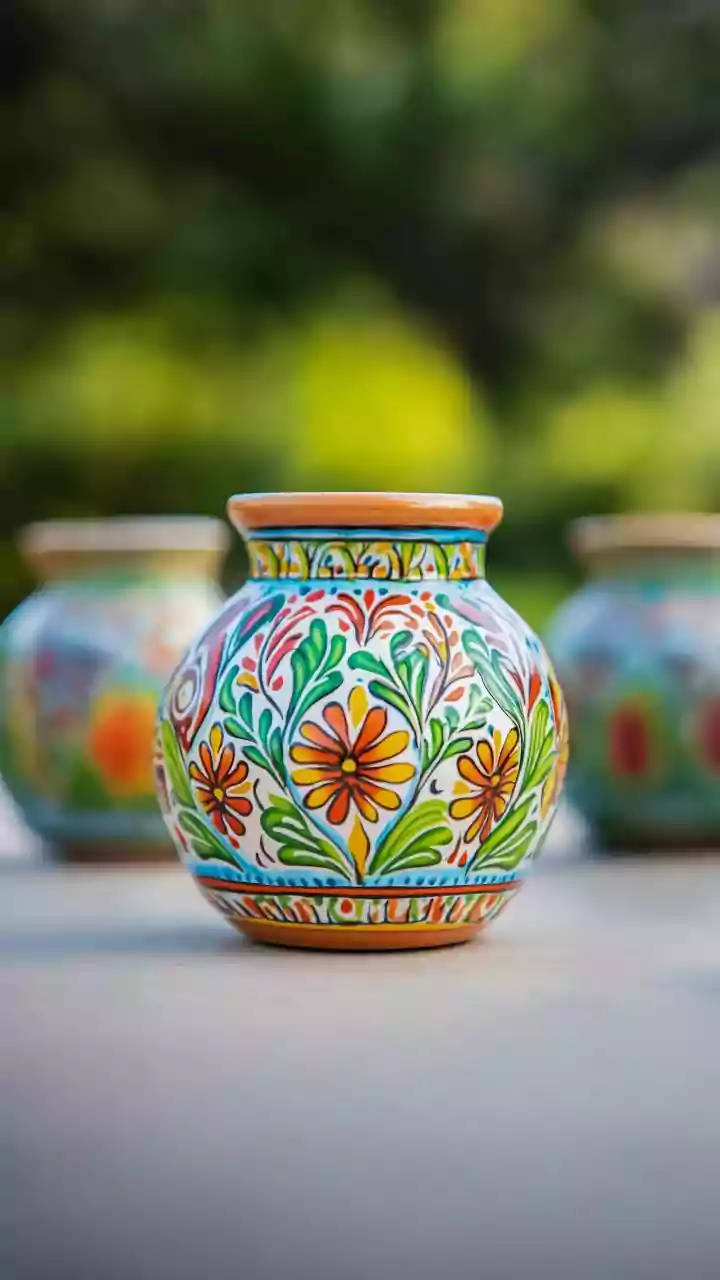
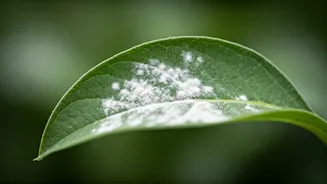
Stopping excess watering is the most critical step, but a few other adjustments can significantly improve your succulent's chances of survival. First, ensure good air circulation. [1, 3] If your balcony is stuffy, consider placing a small fan nearby for a few hours a day to help dry out the soil and prevent fungal growth on the leaves. Second, make sure your pots have drainage holes—this is non-negotiable. [5] Terracotta pots are ideal as their porous nature helps the soil breathe. [3] Finally, move your plants to a spot where they are protected from direct rainfall. Even a little rain can completely saturate a pot, undoing all your careful efforts. [1]