





The Rise of the Relatable Meal
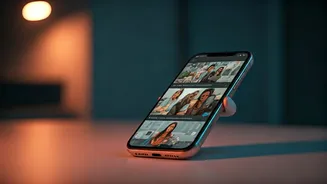
Scroll through social media platforms like TikTok and Instagram, and you'll find a growing movement that’s turning the tables on aspirational food content. It goes by hashtags like #wieiad (“what I eat in a day”) and features montages of office workers
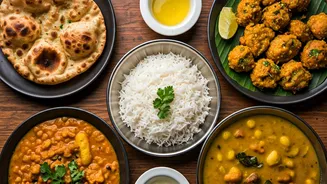
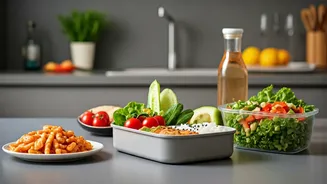
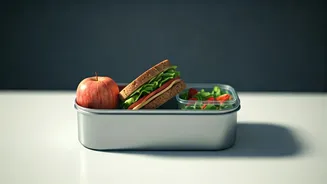
unboxing their decidedly un-fancy lunches. Think simple rice bowls, leftover sabzi with roti, basic salads, or even just a collection of snacks. This trend, often dubbed the 'sad desk lunch' aesthetic, is not about culinary brilliance. Instead, it’s a celebration of the mundane, the affordable, and the authentic. It’s a visual diary of what real people actually eat during a busy workday, complete with Tupperware containers and keyboard-side dining. The content is hooking viewers not because it's beautiful, but because it's real.
A Pushback Against Perfection
For years, social media has been dominated by highly curated, often unattainable lifestyle goals. Food content, in particular, became a space for performative cooking and gourmet creations that few have the time or money to replicate. The rise of the simple lunch is a direct reaction to this. It reflects a broader cultural desire for authenticity and a rejection of the pressure to perform. By showcasing a modest meal, creators are sending a message that it’s okay for food to be practical and functional rather than a spectacle. This anti-aspirational movement finds comfort in shared reality, connecting people over the universal experience of a humble packed lunch rather than alienating them with displays of unattainable extravagance.
The Joy of Simplicity and Savings
Beyond the cultural statement, there are strong practical drivers behind this trend. As the cost of living continues to be a concern, many people are looking for ways to save money, and packing a lunch is a classic frugal habit. Viral trends around budget cooking and cheap meal hacks have gained significant traction, especially among younger generations. This movement celebrates the economic savvy of home-prepared meals. Furthermore, there is a growing awareness around health and nutrition. Many are turning away from ultra-processed foods in favour of simple, whole-food meals they can control. A basic lunch of vegetables, lean protein, and whole grains aligns with wellness goals, providing sustained energy for the workday without the stress of a complicated recipe.
From Global Trend to the Indian Dabba
For audiences in India, this global trend feels deeply familiar. The concept of a simple, home-packed meal is the very foundation of the 'dabba' or tiffin culture that has powered the nation's workforce for generations. The sight of a stainless-steel tiffin carrier is an integral part of the Indian professional landscape. This new online appreciation for simple lunches is, in many ways, the digital equivalent of this long-standing tradition. It validates a way of life that has always prioritized practicality, nourishment, and the comfort of a home-cooked meal in the middle of a hectic day. While a Microsoft employee in Ireland might go viral for an in-office blow-dry during her lunch break, the enduring appeal of a simple dal, rice, and roti packed from home resonates on a much deeper, more universal level here.