


The Great Millet Makeover
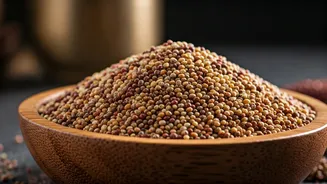
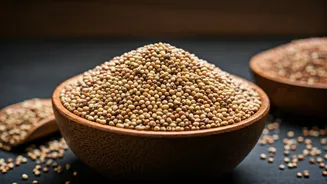
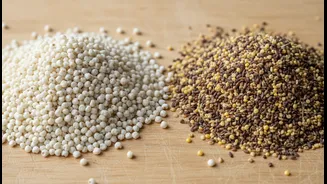
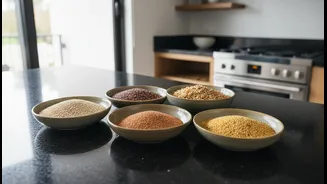
The revival of millets is no accident. It’s the result of a concerted effort to rebrand them from “coarse grains” to “nutri-cereals.” A major push came from the Indian government, which, after years of promoting rice and wheat during the Green Revolution,
shifted focus back to these indigenous grains. This culminated in India successfully proposing that the United Nations declare 2023 as the “International Year of Millets,” catapulting the grain onto the global stage. This campaign, which included everything from dedicated G20 menus to public awareness initiatives, aimed to reposition millets not as a poor man’s food but as a smart, sustainable choice for all. The government has also been actively funding startups and schemes to bolster the entire millet ecosystem, from farm to fork.
Not Your Grandmother’s Roti
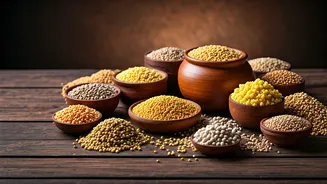
The “premium twist” is most visible on supermarket shelves and online stores. Forget simple flour; today’s millets come in an astonishing variety of modern, convenient forms. Startups and health food brands are rolling out millet-based pasta, noodles, pizza bases, breakfast cereals, and even ready-to-eat khichdi and upma mixes. Companies like Slurrp Farm and Early Foods are creating millet products for children, like dosa and pancake mixes, while others such as Millet Amma and Millet Bank offer everything from millet cookies to chikkis. This new wave of products is designed for the modern, health-conscious consumer who wants nutrition without sacrificing taste or convenience. They often feature clean labels, organic certification, and attractive packaging, positioning millets as a premium lifestyle choice.
From Farm to Fine Dining
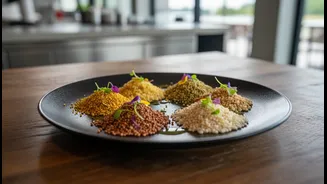
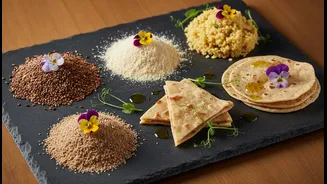
The trend has also entered the world of high-end gastronomy. Leading Indian chefs like Kunal Kapur, Vikas Khanna, and Anahita Dhondy are championing millets, incorporating them into creative, contemporary dishes. They are moving far beyond traditional porridges and flatbreads, using grains like foxtail millet and ragi to craft everything from gourmet salads and risottos to elegant mousses and tikkis. This culinary endorsement has played a crucial role in changing perceptions. When a celebrated chef transforms a humble grain into a sophisticated dish, it signals a powerful shift in cultural value. This has even led to millet-centric pub nights and breweries creating craft beers from millet sugars, proving the grain's versatility.
The Power of a Plate
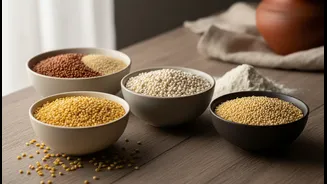
Underpinning this entire movement are the undeniable health benefits of millets. Compared to refined grains like wheat and rice, millets are nutritional powerhouses. They are naturally gluten-free, rich in protein and dietary fibre, and packed with essential minerals like iron, calcium, and magnesium. Critically for a country facing rising rates of lifestyle diseases, millets have a low glycemic index, which helps in managing blood sugar levels and is beneficial for diabetics. Their high fibre content also aids digestion and promotes a feeling of fullness, which can help with weight management. As Indians become more health-conscious, the demand for foods that offer functional benefits has soared, and millets fit the bill perfectly.
More Than Just a Passing Fad?
While health trends can come and go, the millet revival is rooted in something more fundamental: sustainability. Millets are true climate-resilient crops. They are hardy grains that can grow in arid conditions, on less fertile soil, and require significantly less water than rice and wheat. In an era of climate change and increasing water scarcity, this makes them the crop of the future. Cultivating them requires fewer pesticides and fertilizers, which is better for the environment and improves soil health. For India's small and marginal farmers, this translates to lower input costs and a more stable livelihood, diversifying the agricultural economy. This combination of benefits for personal health and the planet suggests the millet movement is a significant, long-term shift.