






What Exactly is P2P Lending?
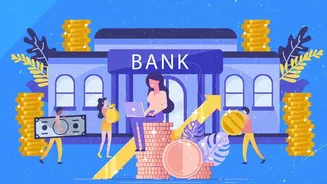
Think of P2P lending as a digital marketplace that cuts out the middleman, the bank. It directly connects individuals who have money to lend with those who need to borrow. Instead of your money sitting in a savings account earning a low interest rate,
you lend it to verified borrowers through an online platform. These platforms are regulated by the Reserve Bank of India (RBI) as Non-Banking Financial Companies (NBFC-P2P), which means they must follow specific rules for verification, fund transfers, and disclosure. When a borrower repays their loan in monthly EMIs, you get your principal back along with interest.
The Reality Behind 12% Returns
Platforms often advertise returns between 12% and 16%, which sounds incredibly attractive compared to traditional options. This higher return is compensation for taking on higher risk. Unlike a bank's fixed deposit, your capital in P2P lending is not insured or guaranteed by the government. The advertised rate is a gross yield, before accounting for the single biggest risk factor: borrower defaults. If a borrower fails to pay you back, you, the lender, absorb that loss, not the platform. Therefore, your actual net return could be significantly lower than the headline number.
Risk 1: Borrower Default
The primary risk in P2P lending is credit risk – the chance that a borrower will not repay their loan. Many borrowers on these platforms are individuals or small businesses who might not have qualified for a traditional bank loan. Platforms perform credit assessments using scores and income details to assign a risk grade, but this can never eliminate the possibility of default. RBI rules explicitly prohibit platforms from offering any credit guarantee or assuring returns. If a loan goes bad, you could lose your entire principal for that specific loan.
Risk 2: Platform and Liquidity Issues
You are also exposed to platform risk. While RBI registration provides a regulatory framework, the platform itself could face financial difficulties or mismanagement. To protect lenders, RBI mandates that all funds flow through third-party escrow accounts, meaning the platform doesn't directly hold your money. Another key risk is liquidity. Your money is locked in for the entire loan tenure, which can be up to 36 months. Unlike stocks or mutual funds, you cannot easily sell your P2P loans if you need urgent access to your cash.
Smart Strategy: Diversify Aggressively
The single most important strategy to manage risk is diversification. Never put all your money into a single loan. Instead, spread your investment across hundreds of different borrowers. Most platforms allow you to lend very small amounts, sometimes as low as ₹500, to each borrower. By diversifying, the impact of one or two defaults on your overall portfolio is minimized. RBI has also set limits to enforce diversification: you cannot lend more than ₹50,000 to a single borrower across all platforms.
How to Choose a Platform Wisely
Your first step should always be to verify that the platform is registered with the RBI as an NBFC-P2P. Be wary of any platform that promises guaranteed or risk-free returns, as this is explicitly forbidden by the RBI. A good platform will be transparent about its borrower assessment process, historical default rates, and all associated fees. Take time to research the platform's track record, user reviews, and how they handle loan recovery processes for defaulted loans.
Don't Forget Taxes
The interest income you earn from P2P lending is taxable. It is generally classified as 'Income from Other Sources' and added to your total income, to be taxed at your applicable slab rate. The principal amount you get back is a return of capital and not income. Platforms typically provide annual statements detailing your interest earnings, which you should use for filing your tax returns. Most platforms do not deduct TDS, so the responsibility for declaring this income and paying the correct tax lies with you.