





The New Era of Retail Theatre
A fashion sale used to be a predictable affair: a brand would discount items on its website and maybe send an email. Today, a 'sales event' is just as likely to be a live broadcast on TikTok or Instagram, hosted by a creator with a deeply engaged following.
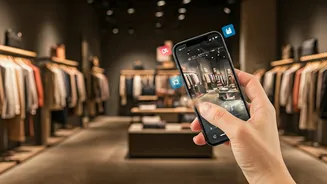
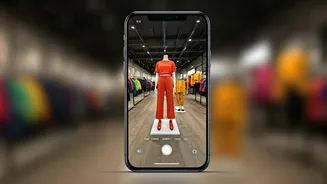
This isn't just about a sponsored post; it's about creators hosting their own QVC-style shows, launching curated collections, and running interactive sales from their own phones. These creator-led events blend entertainment with e-commerce, turning the act of shopping into a community experience where purchases are driven by trust and real-time interaction. Think of it as the evolution from a static catalogue to a live, shoppable conversation.
Why Is This Happening Now?
This shift is fueled by a perfect storm of technology and a change in consumer trust. Firstly, platforms like TikTok Shop and Instagram Shopping have made it seamless for viewers to buy products without ever leaving the app. This removes friction and captures impulse-purchase moments that were previously lost. Secondly, consumers, particularly younger generations like Gen Z and millennials, have become skeptical of polished brand advertisements. They place more trust in the authenticity of creators they follow. Statistics show a significant percentage of consumers trust influencer recommendations more than traditional brand ads. This trust translates directly into sales, with some live shopping events boosting conversions by up to 10 times compared to traditional e-commerce.
From Influencer to Merchant
The role of the creator has evolved dramatically. They are no longer just digital billboards for brands. In this new model, they are curators, merchandisers, and sales associates rolled into one. They select the products, build the narrative, demonstrate the fit and feel, and answer questions from the audience live. Many work on affiliate or commission models, earning a percentage of every sale they drive, which incentivizes them to create compelling content that converts. Brands like Princess Polly and Revolve have built powerful marketing engines by empowering creators with unique discount codes and affiliate links, creating a win-win scenario.
What's in It for the Brands?
For brands, handing over the sales floor to a creator can be a powerful strategy. It provides direct access to a loyal, highly-engaged audience that would be difficult and expensive to reach otherwise. Creators know their followers on a deep level and can market products in a way that feels like a trusted recommendation from a friend, not a hard sell. This authenticity drives higher conversion rates and builds brand relevance. For example, accessories retailer Claire's has recently partnered with a major youth creator, not just for a one-off product, but to roll out an entire collection across hundreds of physical stores, blending online fame with in-person retail. This demonstrates a deep commitment to the creator-led model as a core business strategy.
The Future of Your Shopping Cart
For shoppers, this trend offers a more personalized and interactive way to discover and buy. Instead of scrolling through endless product pages, you can see how an outfit looks on a real person, ask questions about sizing in a live chat, and get styling advice instantly. However, it also further blurs the lines between entertainment and advertising, potentially encouraging impulse buys and over-consumption. As live shopping is projected to become a massive slice of the e-commerce pie, valued at over a trillion dollars globally by 2026, its influence is only set to grow. The next time you see a sales event, it might not be from a brand's headquarters, but from the creative mind of an influencer shaping trends in real time.