





The Plant-Forward Plate
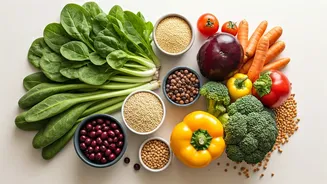
This isn't your grandmother's vegetarianism. The new 'plant-forward' movement is about actively choosing more plant-based foods, whether you're a strict vegan or a 'flexitarian' who enjoys meat occasionally. This trend is fuelling a boom in high-quality
dairy alternatives like oat and almond milk, as well as sophisticated mock meats that are finding their way into biryanis and curries. The driving force? A combination of health consciousness, environmental concerns, and ethical considerations. It’s less about rigid labels and more about a flexible, plant-rich approach to eating that doesn’t sacrifice taste or tradition.
Millets Make a Comeback
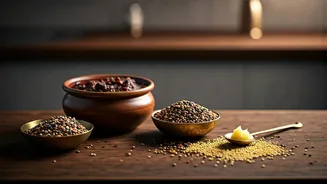
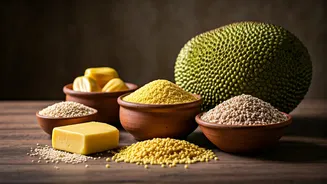
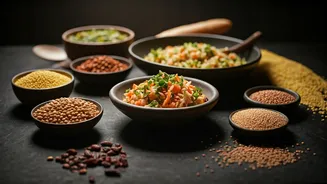
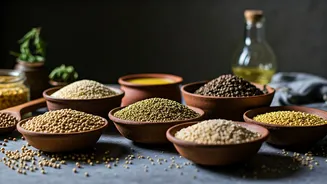
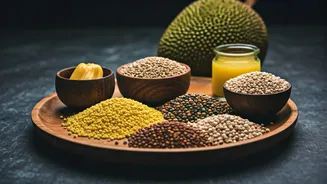
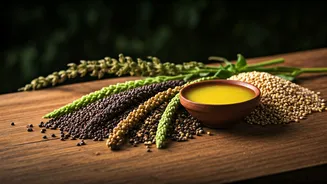
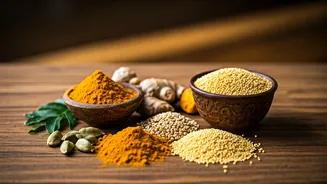
Once considered humble 'coarse grains', millets like jowar, bajra, and ragi are experiencing a major revival. Hailed as 'nutri-cereals', they are gluten-free, rich in protein and fibre, and have a low glycaemic index, making them ideal for managing blood sugar. Their resurgence is also an environmental win. Millets are hardy, drought-resistant crops that require far less water than rice or wheat, making them a sustainable choice for India’s future. From millet dosas and upma to cookies and even pasta, these ancient grains are being creatively integrated into modern diets.
Going Hyperlocal
The 'farm-to-table' concept is getting an upgrade. 'Hyperlocal' is the new benchmark for freshness and sustainability, focusing on sourcing ingredients from the closest possible radius—sometimes even from a restaurant's own rooftop garden or a neighbourhood farm. This trend is about more than just food miles; it’s about reconnecting with our food systems, supporting local farmers, and eating produce that is seasonal, fresh, and bursting with flavour. Consumers are increasingly seeking out farmers' markets and community-supported agriculture (CSA) boxes to know exactly where their food comes from.
Food as Functional Fuel
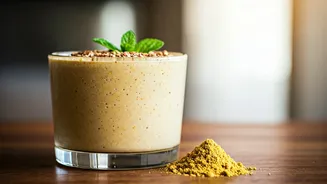
The ancient Indian wisdom of using food as medicine is now a global trend. We're moving beyond basic nutrition to embrace 'functional foods'—ingredients chosen for their specific health benefits. Think turmeric lattes for inflammation, ashwagandha-infused drinks for stress relief, and amla for an immunity boost. A major focus within this trend is gut health. The demand for probiotics and prebiotics has skyrocketed, with fermented foods and drinks like kombucha, kefir, and traditional kanji becoming kitchen staples. It's about eating with intention, using your plate to support everything from your mood to your immune system.
The Rise of Mindful Eating
As a reaction against restrictive fad diets, mindful eating is gaining ground. This practice isn't about what you eat, but how you eat. It encourages you to pay full attention to your meal—the aromas, textures, and flavours—without the distraction of screens. The goal is to reconnect with your body's natural hunger and fullness cues, fostering a healthier, more intuitive relationship with food. It’s an anti-diet approach that reduces stress around mealtimes, improves digestion, and helps you truly savour your food, leading to greater satisfaction from smaller portions.
Snacking Gets a Smart Upgrade
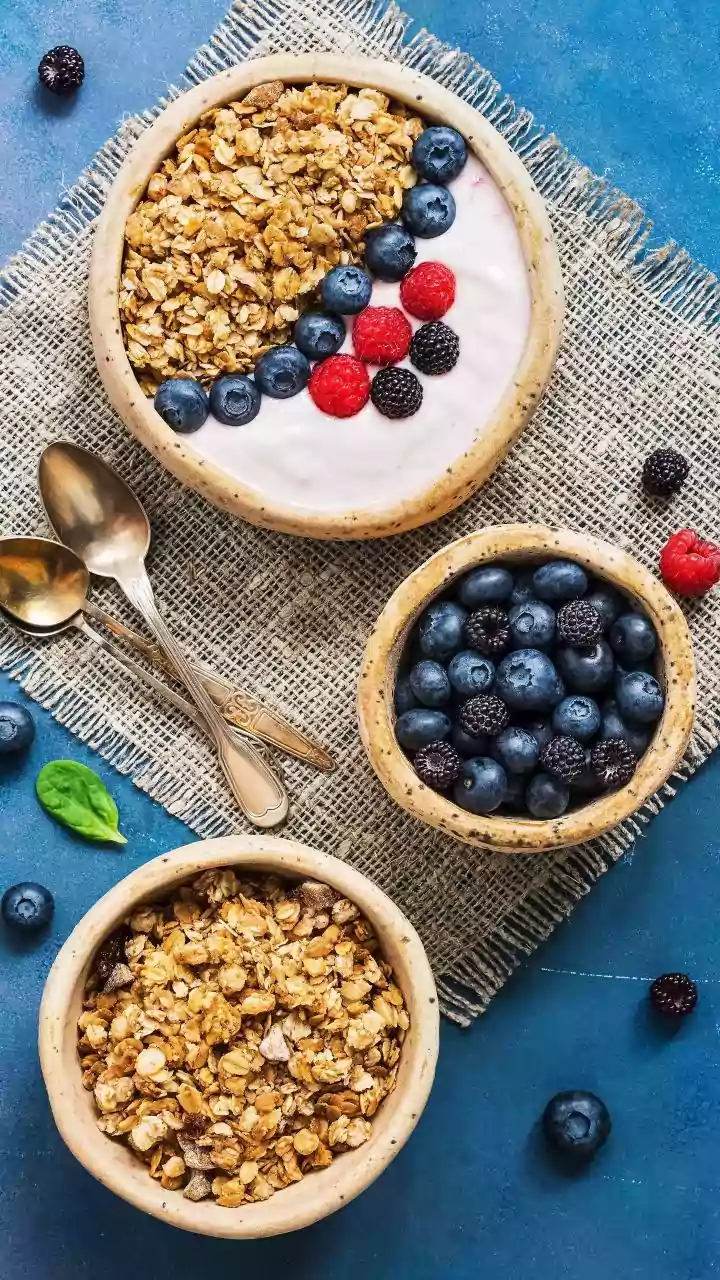
The 4 PM slump is getting a healthy makeover. The demand for smarter snacks is pushing traditional fried namkeens to the side in favour of better-for-you options. Supermarket aisles are now filled with baked, not fried, vegetable crisps, roasted makhana (fox nuts) in a variety of flavours, protein bars made with clean ingredients, and portion-controlled packs of nuts and seeds. This shift reflects a growing awareness that snacking doesn't have to be a guilty pleasure. It can be an opportunity to fuel your body with nutrients between meals, without the empty calories and unhealthy fats.