






The Shifting Revenue Equation
The narrative that Over-The-Top (OTT) platforms are simply 'stealing' revenue from cinemas is a little too simple. While the rise of streaming has undeniably altered audience habits, the financial picture is complex. According to a FICCI-EY report, the Indian
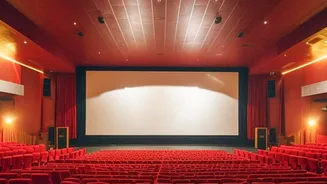
Media and Entertainment sector continues to grow, reaching INR 2.78 trillion in 2025, with digital media becoming the largest segment for the first time. However, this doesn't mean cinemas are unscathed. Some reports indicate a decline in theatre revenue and footfalls compared to pre-pandemic highs, with one analysis noting a drop in theatrical footfalls from over a billion to a projected 780 million in 2025. The issue isn't that all entertainment money is flowing to OTT, but that audiences are becoming more selective about the theatrical experience. Blockbusters still draw massive crowds, but the casual trip to the cinema for a mid-budget film is now facing stiff competition from the vast libraries available at home.
Why Youth Are Voting with the Remote
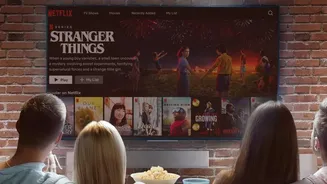
For younger audiences, particularly Gen Z and millennials, the preference for streaming is driven by a blend of convenience, cost, and content. A 2022 study highlighted that Indian youth increasingly prefer OTT platforms. The primary reason is unparalleled convenience—the ability to watch anytime, anywhere, on any device, primarily smartphones. This generation grew up with on-demand everything, and entertainment is no exception. The culture of binge-watching, where entire seasons are consumed in a weekend, is tailored for the streaming model and something traditional television or cinema cannot replicate. Furthermore, OTT platforms offer a space for diverse and experimental storytelling that might be deemed too risky for a mainstream theatrical release, catering to niche tastes and a hunger for fresh, character-driven narratives.
A Battle of Budgets
The economic argument is perhaps the most compelling factor. A single trip to a multiplex for a family of four can easily cost over ₹2,000 when tickets, food, and transport are factored in. In major metros, premium tickets for a blockbuster can cost as much as ₹2,100 for a single seat. In stark contrast, an annual subscription to a major streaming platform like Amazon Prime or JioHotstar can be secured for less than the cost of that one premium ticket. While some argue that combining multiple subscriptions and high-speed internet makes OTT more expensive annually, the perceived value-for-money heavily favours streaming for the sheer volume of content offered. This cost difference has trained many consumers to adopt a 'wait-and-watch' approach, knowing most films will land on a streaming service within weeks of their theatrical run.
The Coexistence Model
Instead of a zero-sum battle, the future of Indian entertainment appears to be a hybrid one. The industry is adapting, not dying. Theatrical releases are increasingly reserved for 'event' films—large-scale spectacles that demand the big screen and immersive sound. In response to audience behaviour, the theatrical window (the time between a cinema release and its streaming debut) is also being re-evaluated. After a period of shrinking to as little as four weeks, the industry is pushing back towards a longer, eight-week window to maximize box office potential. This suggests a move toward coexistence, where cinemas offer a premium, communal experience for certain films, while OTT provides convenience and a home for a wider variety of content. The two platforms are now seen as serving different, but sometimes overlapping, consumer needs.