



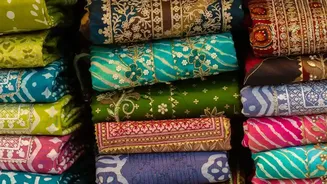
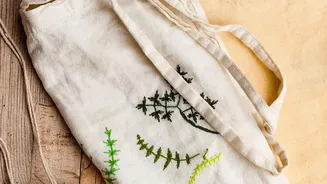
As the Indian summer peaks, the search for comfortable, airy clothing becomes a top priority. While modern fabrics offer many options, the answer may lie in our own heritage, with regional textiles that are making a well-deserved comeback.
The Science of Staying Cool
When we talk
about a fabric's 'breathability', we're referring to its ability to allow moisture vapour to pass through it. During hot weather, our bodies sweat to cool down. A breathable fabric lets this sweat evaporate from our skin into the air, keeping us cool and dry. Natural fibres like cotton and linen excel at this. Their irregular, porous structures create microscopic channels for air to circulate, unlike synthetic materials such as polyester, which is essentially a plastic that traps heat and moisture, creating a clammy, uncomfortable feeling.
Khadi: The Freedom Fabric Breathes
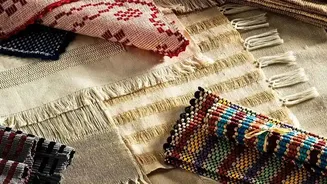
Khadi is perhaps the most iconic Indian textile, deeply intertwined with our history. But its relevance today is just as much about comfort as it is about culture. Because it is hand-spun and hand-woven, Khadi has a unique, irregular weave. This process creates tiny air pockets within the fabric, making it exceptionally breathable. It allows for constant air circulation, which helps regulate body temperature, keeping you cool in the summer and surprisingly warm in the winter. Moreover, Khadi has excellent moisture-absorbing properties, wicking sweat away from the body to keep you feeling fresh.
Mulmul and Kota Doria: The Gossamer Weaves
Often described as 'woven air', Mulmul is an incredibly lightweight and fine cotton. Its delicate, open weave makes it one of the most breathable fabrics available, perfect for the most sweltering days. A Mulmul garment feels almost weightless against the skin, allowing maximum airflow and preventing any feeling of being stifled. Similarly, Kota Doria, a traditional weave from Rajasthan, is prized for its distinctive square-checked pattern known as 'khats'. This unique weave, often blending cotton and silk, creates a fabric that is both sheer and strong, offering exceptional breathability that is ideal for hot and humid climates.
Linen and Chanderi: Effortless Elegance
Linen is another summer superstar, known for its natural cooling properties. The fibres of the flax plant, from which linen is made, are hollow, which allows air to pass through easily, making it more breathable than even standard cotton. While it wrinkles easily, that's part of its relaxed charm. Chanderi, a traditional fabric from Madhya Pradesh, offers a touch of festive elegance without sacrificing comfort. Woven with a mix of silk and cotton, it is famously lightweight and has a sheer texture that drapes beautifully while allowing the skin to breathe, making it a perfect choice for summer occasions.
More Than Comfort: The Eco-Friendly Choice
The preference for these regional textiles goes beyond just comfort; it's also a conscious environmental choice. Handloom weaving has a significantly smaller carbon footprint compared to industrial manufacturing, as it relies on human energy rather than electricity. Many of these traditions use natural dyes derived from plants and minerals, avoiding the chemical pollution associated with synthetic dyes. Production is often localized, supporting rural economies and preserving generational skills. By choosing fabrics like Khadi, Mulmul, or Kota Doria, consumers are not only opting for superior summer comfort but also supporting a more sustainable and ethical fashion cycle that values heritage and the planet.