







The Non-Negotiable Health Certificate
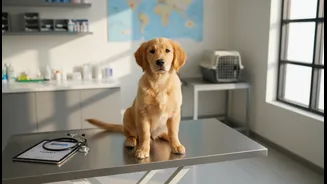
The most significant holiday-day surprise a pre-travel check prevents is being denied boarding. Whether you are travelling by air or train in India, a 'fit-to-travel' or health certificate issued by a registered veterinarian is mandatory. This document
confirms your pet is healthy, free from infectious diseases, and fit for the journey. Airlines and Indian Railways officials will ask for this certificate, which is typically valid for a short period, often 7 to 10 days before travel. Without it, your holiday plans could come to a halt before they even begin. The check-up also ensures your pet’s vaccinations, especially for rabies, are up to date, which is another compulsory requirement.
Navigating Domestic Travel Rules
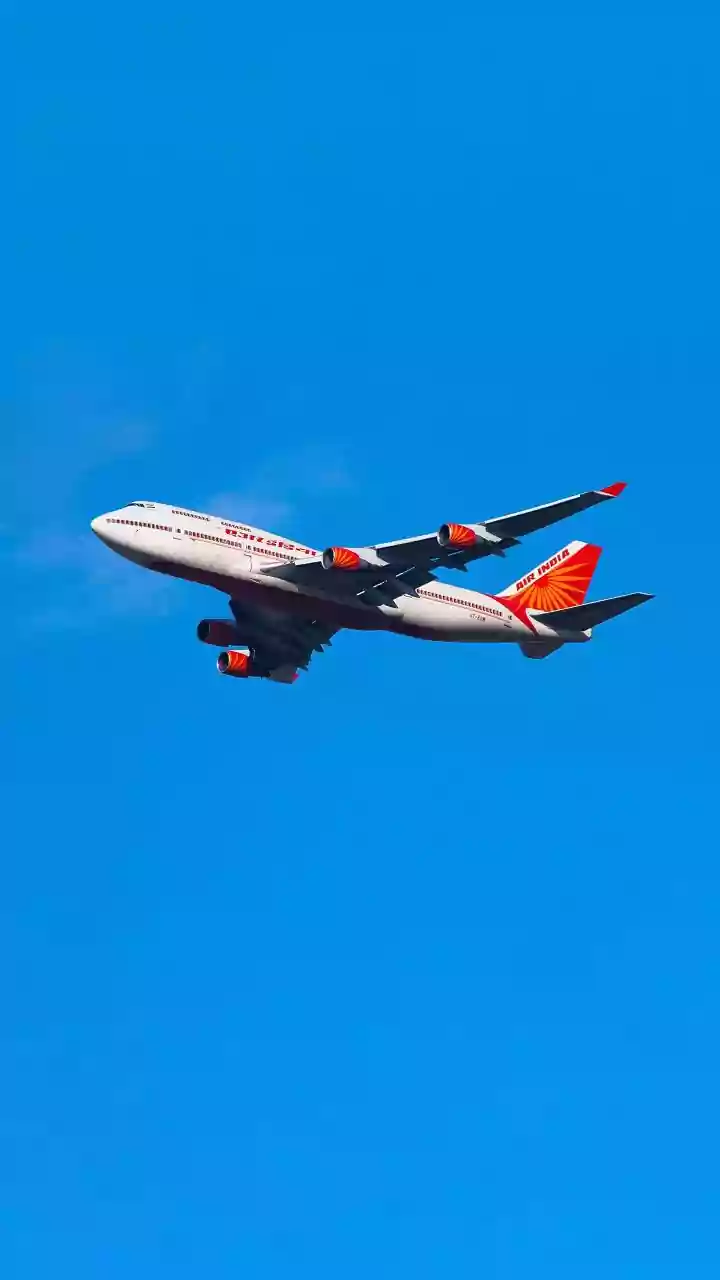
Different modes of transport have specific rules that a vet can help you navigate. For air travel, airlines like Air India have strict policies on the size and weight of pets allowed in the cabin versus those that must travel as checked baggage or cargo. For instance, pets and their carriers under 10 kg may be allowed in the cabin on certain flights. A pre-travel check allows you to get an accurate weight and the correct carrier dimensions. For train travel, pets are generally only permitted in First AC coupes or cabins, and you must book the entire two-berth or four-berth compartment. A vet’s certificate is essential for getting approval from railway parcel authorities. Your vet can also advise against sedating your pet, a practice most airlines now prohibit due to health risks.
Unseen Health Surprises
Travel can be stressful for animals, potentially aggravating underlying health conditions you might not be aware of. A thorough pre-travel exam can identify potential issues, from heart murmurs to respiratory conditions, that could be risky during a long journey. This is particularly crucial for flat-faced (brachycephalic) breeds like Pugs and Persian cats, who are prone to breathing difficulties and are often restricted by airlines. The vet can also provide guidance on managing travel anxiety and motion sickness, suggesting calming supplements or techniques to make the journey more comfortable for your companion. This proactive approach prevents the heartbreak of a medical emergency far from home.
International Travel Complexities
If your holiday involves international travel, the complexity increases tenfold and a vet check is the first step in a long process. Most countries require an ISO-compliant microchip to be implanted before a rabies vaccination. Many, including the USA and EU nations, also mandate a Rabies Antibody Titre Test (RNATT), a blood test performed months in advance to prove the vaccine is effective. Failing to follow the precise sequence of microchipping, vaccination, and testing can lead to your pet being denied entry or facing lengthy, expensive quarantine upon arrival. Each country has its own specific health certificate and import permit requirements, making expert veterinary guidance indispensable.
Packing the Right Pet-First-Aid Kit
During your pre-travel consultation, your veterinarian can help you assemble a travel-specific first-aid kit for your pet. This goes beyond just packing their favourite toy or blanket. Depending on your destination and your pet's health history, your vet might recommend including medications for allergies, anxiety, or motion sickness. They can provide you with prescriptions and the correct dosage information. The kit should also include essentials like antiseptic wipes, gauze, and any regular medications your pet takes. Having these on hand means you can handle minor issues yourself without having to scramble to find a local vet in an unfamiliar place, saving you from a different kind of holiday surprise.