


The Post-Monsoon Advantage
October and November mark a special season for wildlife enthusiasts. After months of closure, parks reopen to reveal a transformed world. The landscape is a vivid green, waterholes are full, and the air is crisp and clean. This period offers a unique
safari experience, distinct from the drier, hotter months. While dense foliage can sometimes make sightings a challenge, the reward is seeing animals in a thriving, stunningly beautiful environment. Many parks like Kaziranga, Ranthambore, and Corbett typically welcome visitors starting in October, making it the perfect window to plan your adventure.
Choose Your Destination and Operator Wisely
Your first decision is where to go, but your most important one is who to go with. When selecting a tour operator or lodge, look beyond the price tag. A responsible operator will be transparent about their conservation efforts and community involvement. Ask questions: Are their guides trained naturalists or just drivers? Do they contribute to local anti-poaching initiatives? Do they employ staff from local communities? Eco-certified lodges that practice waste management and use sustainable resources are a clear sign of commitment. Choosing an ethical provider ensures your money supports conservation and empowers the communities that are the primary guardians of these forests.
Mastering On-Safari Etiquette
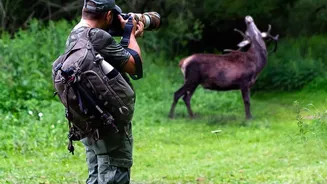
Once in the jungle, your behaviour matters immensely. The cardinal rule is to respect wildlife's space. Guidelines often recommend staying at least 25 yards away from most large animals and 100 yards from predators like tigers and bears. Your guide is trained to judge safe distances, so trust their expertise and never pressure them to get closer for a better photo. Keep your voice low and avoid sudden movements; silence allows you to hear the forest's sounds and increases your chances of spotting animals behaving naturally. Flash photography is a strict no, as it can startle and disorient animals. Remember, a sighting is a privilege, not a guarantee. Appreciate the entire ecosystem, not just the chase for a single iconic species.
The 'Leave No Trace' Mandate
The principle of 'Leave No Trace' goes far beyond not dropping a plastic wrapper. It's about leaving the habitat exactly as you found it. Carry a reusable water bottle and a small bag to collect any of your own trash until you can dispose of it properly back at your lodge. Stick to designated safari trails to prevent soil erosion and habitat damage. Playing music or animal calls to attract wildlife is highly disruptive and unethical. The goal is to be a silent observer, passing through their world without leaving a harmful footprint. This mindful approach ensures the wilderness remains wild for generations to come.
Support the Community, Fuel Conservation
Responsible tourism is a powerful tool for conservation, but only when it directly benefits local people. When communities have a direct economic stake in protecting wildlife, conservation efforts become far more effective. You can contribute by choosing locally-owned lodges and homestays where possible. Purchase handicrafts directly from local artisans rather than mass-produced souvenirs. Tipping your local guides, drivers, and lodge staff fairly acknowledges their expertise and hard work. By ensuring your travel funds flow into the local economy, you are providing a powerful incentive for the community to protect the natural resources that attract visitors in the first place.