



Why Monsoon is a Beginner’s Best Friend
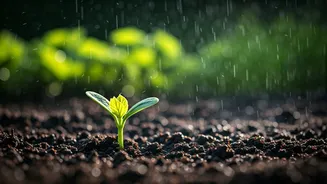
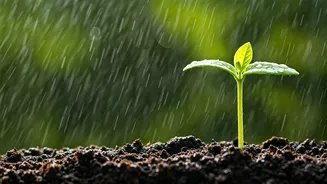
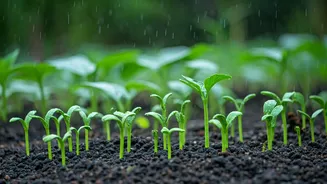
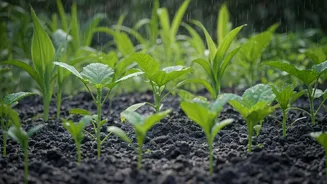
For anyone new to gardening, the constant worry is often: “Am I watering too much? Too little?” The monsoon season graciously takes most of that guesswork off your plate. The consistent rainfall provides a steady supply of water, while the high ambient
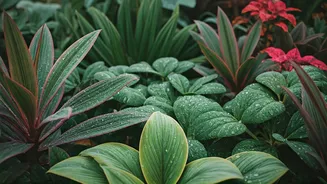
humidity creates a lush, greenhouse-like effect. This environment is particularly beneficial for leafy greens and tropical ornamentals, as it reduces water loss from leaves and encourages vibrant growth. The cloud cover also offers a gentle, diffused light, protecting delicate seedlings from the harsh sun that can scorch them in other seasons. This combination of factors creates a forgiving atmosphere where new plants can establish strong roots and beginners can learn the ropes without the high stakes of a dry summer.
Easy-Win Plants for the Rainy Season
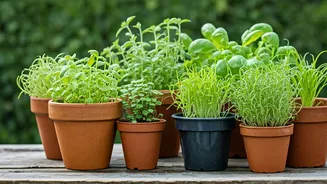
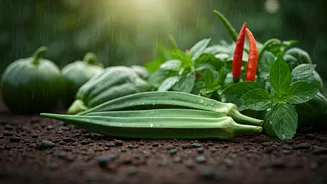
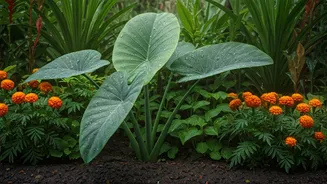
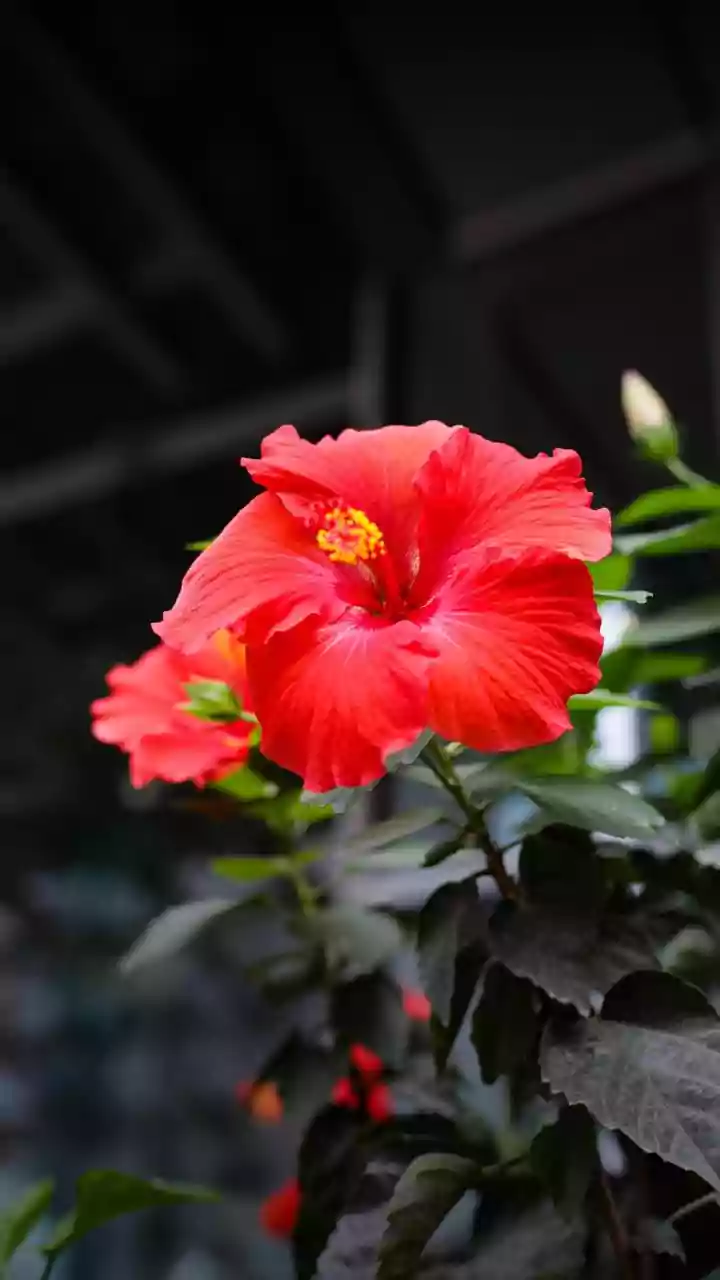
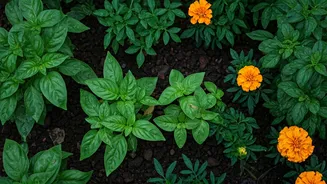
The key to success is choosing plants that thrive in these specific conditions. Don’t try to grow plants that need dry, arid soil. Instead, lean into the moisture with these reliable choices: * **Leafy Greens:** Vegetables like palak (spinach), amaranth (chaulai), and Malabar spinach grow incredibly fast in the monsoon. They love the moisture and you can get multiple harvests in just a few weeks. * **Gourds and Beans:** Creepers like lauki (bottle gourd), turai (ridge gourd), and various beans flourish now. Give them a simple trellis or support to climb, and they will reward you with a steady supply of vegetables. * **Bhindi (Okra):** A staple in Indian cuisine, bhindi is a robust plant that performs exceptionally well in the heat and humidity of the monsoon. * **Flowering Plants:** For a splash of colour, turn to monsoon-friendly flowers like balsam, hibiscus, marigold (genda), and cosmos. They are relatively low-maintenance and their bright blooms can lift the spirits on a gloomy, rainy day.
The Golden Rule: Drainage is Everything
While rain is a blessing, stagnant water is a curse. The single most common mistake beginner gardeners make during the monsoon is allowing their plants to sit in waterlogged soil. This leads to root rot, a condition that quickly kills plants from the bottom up. To avoid this, you must prioritize drainage. First, ensure every pot has at least one, preferably multiple, drainage holes at the bottom. If you're using plastic pots, you can easily drill more. Second, improve your soil mix. A standard potting mix can become compacted and heavy when wet. Lighten it by adding materials like coco peat, sand, or perlite. This creates air pockets and allows excess water to flow through freely, keeping the roots healthy and happy.
Watch Out for Unwanted Guests
Unfortunately, the humid, damp conditions that your plants love are also a paradise for pests and diseases. But don’t worry—they are manageable. Slugs and snails are common culprits that come out after rain to munch on tender leaves. You can deter them by placing crushed eggshells around the base of your plants. The biggest threat, however, is fungal disease, which appears as white, powdery spots on leaves (powdery mildew) or dark spots. The best defence is good air circulation. Avoid overcrowding your plants; give them space to breathe. If you spot a fungal issue, a simple, organic solution is a diluted neem oil spray. Mix a few drops of neem oil with a drop of liquid soap in water and spray it on the affected leaves once a week.
Smart Watering in a Wet Season
It seems counterintuitive to worry about watering when it’s raining, but it's essential for container gardening. Your pots might be under a balcony or eave, missing the rain entirely. Or, a light drizzle might only wet the top layer of soil, leaving the roots dry. Don't rely on a fixed schedule. The best tool you have is your finger. Stick it about an inch into the soil. If it feels dry, it’s time to water. If it feels damp or wet, leave it alone. This simple test prevents both underwatering and the far more dangerous risk of overwatering during the wettest months of the year.