





The Humble Marigold (Genda)
For generations, the genda has been the undisputed flower of festivals and worship in India. Its cheerful orange and yellow hues are woven into garlands and offered in pujas. But for a while, it was considered too common for modern, stylish homes. Not
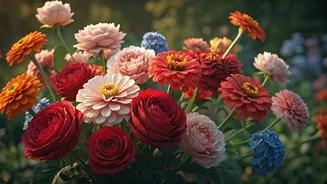
anymore. Designers are now reclaiming the marigold for its hardiness, vibrant colour, and cultural significance. The trend for 2026 is moving away from seeing it just as a 'festival flower'. Instead, think single stems in sleek minimalist vases, potted varieties brightening up urban balconies, and florists incorporating them into contemporary bouquets that play with texture and tradition. It's a celebration of a flower that has always been with us, finally getting its due in high design.
The Intoxicating Tuberose (Rajnigandha)
Its name literally means “fragrance of the night,” and anyone who has walked past a garden with rajnigandha in bloom understands why. This intensely fragrant flower, with its creamy white petals, was a staple of old-world Indian gardens. Its powerful scent is deeply nostalgic, evoking memories of summer evenings. After a period of being overshadowed by more subtle florals, tuberose is returning with a vengeance. The comeback is driven by a renewed appreciation for authentic, powerful sensory experiences. We're seeing it in luxury perfumes, candles, and, most importantly, back in our gardens. Planting a cluster near a window or patio is no longer old-fashioned; it's a sophisticated way to create an enchanting, fragrant atmosphere for your home.
The Dramatic Dahlia
If any flower was born for the Instagram age, it’s the dahlia. With their intricate, geometric petal structures and a dizzying array of colours and sizes—from petite pom-poms to giant 'dinner-plate' varieties—dahlias are pure drama. Popular in colonial-era hill station gardens, they are being rediscovered by a new generation of gardeners. Why now? The 'cottagecore' and 'grandmillennial' trends, which celebrate romantic, abundant, and slightly wild gardens, are a perfect fit for the dahlia's show-stopping beauty. They are the ultimate 'cut-and-come-again' flower, meaning the more you harvest for bouquets, the more they bloom. This makes them both beautiful and sustainable for home florists.
The Whimsical Cosmos
Delicate, daisy-like, and dancing on long, slender stems, cosmos flowers bring a sense of light, airy movement to any garden. They were once considered a simple, almost wildflower-like addition, often used as filler. But their low-maintenance, pollinator-friendly nature is making them a hero flower for a new generation focused on eco-conscious gardening. As gardeners look for ways to create beautiful spaces that are also beneficial to bees and butterflies, the easy-going cosmos is a perfect choice. Available in shades of pink, white, magenta, and even chocolate-orange, they are perfect for creating soft, dreamy, meadow-like plantings that feel both natural and effortlessly chic.
The Enduring Jasmine (Mogra/Chameli)
Is there a scent more quintessentially Indian than jasmine? From the gajras worn in women's hair to the fragrant oil used in perfumery, mogra and chameli are woven into the fabric of our culture. While jasmine never truly went away, its application is becoming more modern. The trend is less about overpowering fragrance and more about appreciating its delicate beauty. Urban gardeners are cultivating compact varieties in pots on their balconies to scent the evening air. Interior designers are using jasmine motifs in textiles and art. The return isn't about rediscovery, but a re-appreciation—seeing this classic flower not just as a traditional element, but as a timeless symbol of elegance and natural luxury.