



Beyond the Usual Croissant and Cappuccino
For years, the quintessential Indian café experience was largely a borrowed concept, built around a reliable rotation of coffee, tea, sandwiches, and perhaps a brownie. It was a space defined by international familiarity. But as diners have become more
adventurous, and chefs more confident, that landscape is changing. Cafes across the country are moving beyond the standard fare, transforming their kitchens into labs for culinary innovation. The result is a menu that feels both excitingly new and deeply comforting. This shift isn't just about adding a few new dishes; it's a fundamental reimagining of what a café can be—a place that reflects a uniquely Indian-global identity, where a morning coffee can be paired with something far more interesting than a simple pastry.
Global Palates, Local Hearts
At the heart of this trend is a generation of chefs and diners who are equally comfortable with international food trends and the distinct tastes of their own heritage. Indian consumers today are more exposed to global food formats than ever, yet more rooted in regional identity at the same time. This duality has sparked a creative surge. Chefs are using their classical training in international cuisines as a canvas, but painting with a palette of Indian spices, ingredients, and cooking philosophies. You might find a risotto, but instead of Arborio rice, it’s made with a regional Indian millet. A classic lasagna might get a startlingly delicious twist with layers of paneer and butter chicken sauce. These dishes work because they don’t force a fusion; they find a natural harmony. The international format provides a familiar structure, while the regional ingredients deliver a flavour profile that resonates on a deeper, more nostalgic level.
A Taste of the New Menu
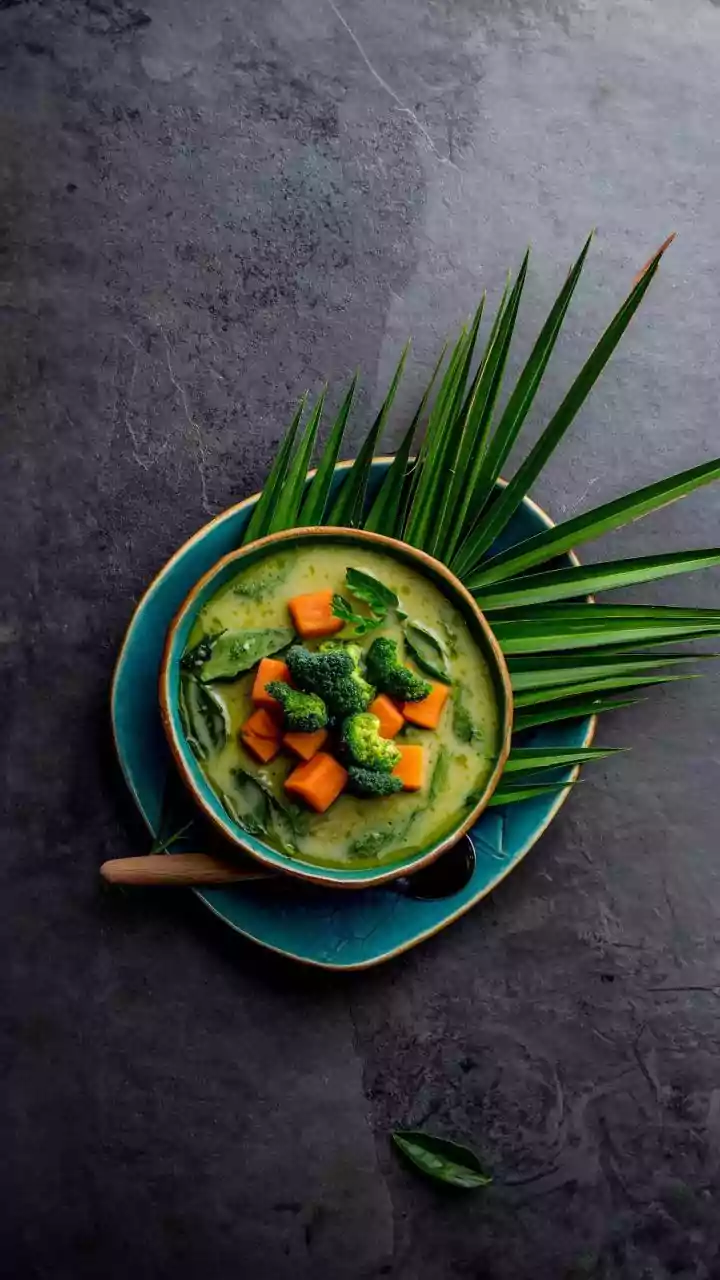
This trend is unfolding in delicious ways across India. In Mumbai, a café might offer a Butter Chicken Wonton Lasagna, a playful mashup of Italian and Indian comfort foods. In Bengaluru, the all-day breakfast menu at one spot features Parsi-style Akuri soft scramble and Benne Dosa alongside Japanese soufflé pancakes and Vietnamese iced coffee. Pune has seen menus celebrating Maharashtrian favourites with a modern touch, like Kolhapuri Mutton served in a pressure cooker or the state's beloved Mastani drink deconstructed into a fine dessert. Even global comfort foods are getting a desi twist, with items like Bhut Jolokia Paneer Tikka appearing next to Thai Green Curry on a brunch menu. These aren't just gimmicks; they are thoughtfully crafted dishes that showcase the versatility of Indian ingredients and the creativity of a new generation of culinary talent. The goal is to create something that is, as one report puts it, 'Most Advanced Yet Acceptable'—innovative but not alienating.
A Sign of Culinary Confidence
More than just a food trend, this movement signifies a new era of confidence in Indian cuisine. For a long time, innovation in Indian food often meant adopting Western techniques or ingredients to elevate local dishes. Now, the reverse is happening. Chefs are increasingly looking inward, drawing inspiration from the immense diversity of India's regional kitchens—from the coastal spices of Kerala to the robust flavours of Punjab. They are proving that Indian ingredients and flavour profiles are not just for traditional preparations but can be the star in any culinary context. This approach moves the conversation beyond a handful of famous dishes like butter chicken and towards a wider appreciation of their regional origins. It’s a declaration that Indian food is not a static tradition to be preserved, but a living, breathing cuisine that is constantly evolving and shaping global tastes.