






History You Can Taste
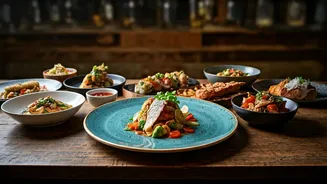
Monuments tell you what a place was. A plate of food tells you who its people are. Think about it. The grandest forts and palaces are, in a sense, frozen in time. They are magnificent relics of a past empire or a forgotten king. But the local cuisine?
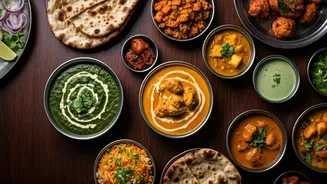
That’s living history. Every dish is a story of migration, trade, climate, and ingenuity. The spices in a Goan vindaloo tell a tale of Portuguese sailors and colonial trade routes. The subtle influence of Persian flavours in a Lucknowi biryani whispers of Mughal courts and culinary refinement. When you eat a local dish, you aren’t just consuming calories; you are partaking in a tradition that has been passed down through generations, adapted, and perfected. It’s a direct, sensory link to the centuries of culture that shaped the land you’re standing on. You can’t get that from a plaque at a museum.
The Real Social Network
Ask yourself: where does the real life of a city happen? Is it in the hushed, sterile halls of a gallery or in the chaotic, vibrant energy of a local food market? The answer is obvious. Food is the ultimate social glue. It’s in the shared tables of an Irani cafe in Mumbai, the boisterous dhabas lining the highways of Punjab, and the bustling street food stalls of Old Delhi where communities converge. To eat where the locals eat is to see a place unfiltered. You witness friendships, hear local dialects, and observe daily rituals you would never encounter on a guided tour bus. Sharing a meal breaks down barriers faster than any phrasebook. A simple question about a recommended dish can lead to a conversation, a shared laugh, and a genuine human connection. These impromptu moments, not the perfectly framed photos, are the souvenirs that truly last.
An Itinerary for the Senses
Too often, travel becomes a checklist. See the fort. Click a picture at the viewpoint. Visit the temple. We end up following a script written by guidebooks, tracing the same path as millions before us. But when you make food your primary guide, your itinerary transforms from a rigid list into a dynamic adventure. A quest for the best appam and stew can lead you down forgotten lanes in Kerala. A search for authentic Naga pork with bamboo shoot takes you to a family-run eatery far from the tourist centre. This kind of travel is exploratory and deeply personal. It forces you to engage with your surroundings, to ask for directions, to trust a local’s recommendation. The destination is no longer a static backdrop for your holiday, but an active participant in your journey. The reward is a set of unique experiences that belong only to you.
Putting Your Money Where Your Mouth Is
Choosing to prioritise local food is also a conscious act of responsible tourism. When you eat at a small, family-owned restaurant or buy from a street vendor, your money flows directly into the local economy. You are supporting families, helping preserve culinary traditions that are often threatened by the homogenisation of fast food, and encouraging small-scale entrepreneurship. This is a far more impactful way to contribute to a community than buying a mass-produced souvenir from a generic gift shop. By seeking out these authentic culinary experiences, you become a patron of local culture, helping ensure that the unique flavours that make a place special will be there for future generations to discover.