


The Rise of 'Skinimalism'
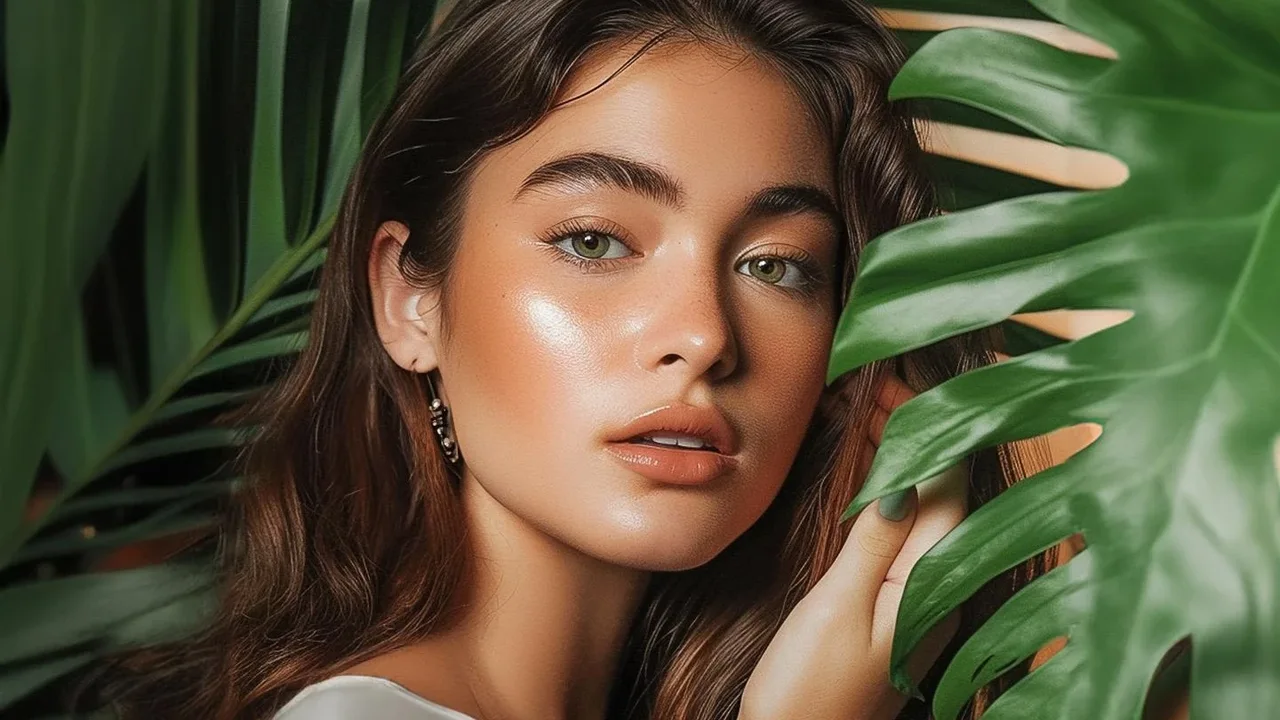
The biggest driver behind this change is the philosophy of 'skinimalism'—a blend of 'skin' and 'minimalism'. This trend champions the idea of using fewer, more effective products to let your natural skin shine through, rather than covering it up. It's
an evolution of the 'no-makeup makeup' look, focusing on achieving healthy, glowing skin that doesn't need to be hidden. Instead of masking pores, freckles, and texture with a thick layer of foundation, the goal is to enhance, not conceal. This approach rejects unrealistic beauty standards often set by heavily retouched images, promoting a celebration of the skin you're in.
Skincare Is the New Makeup
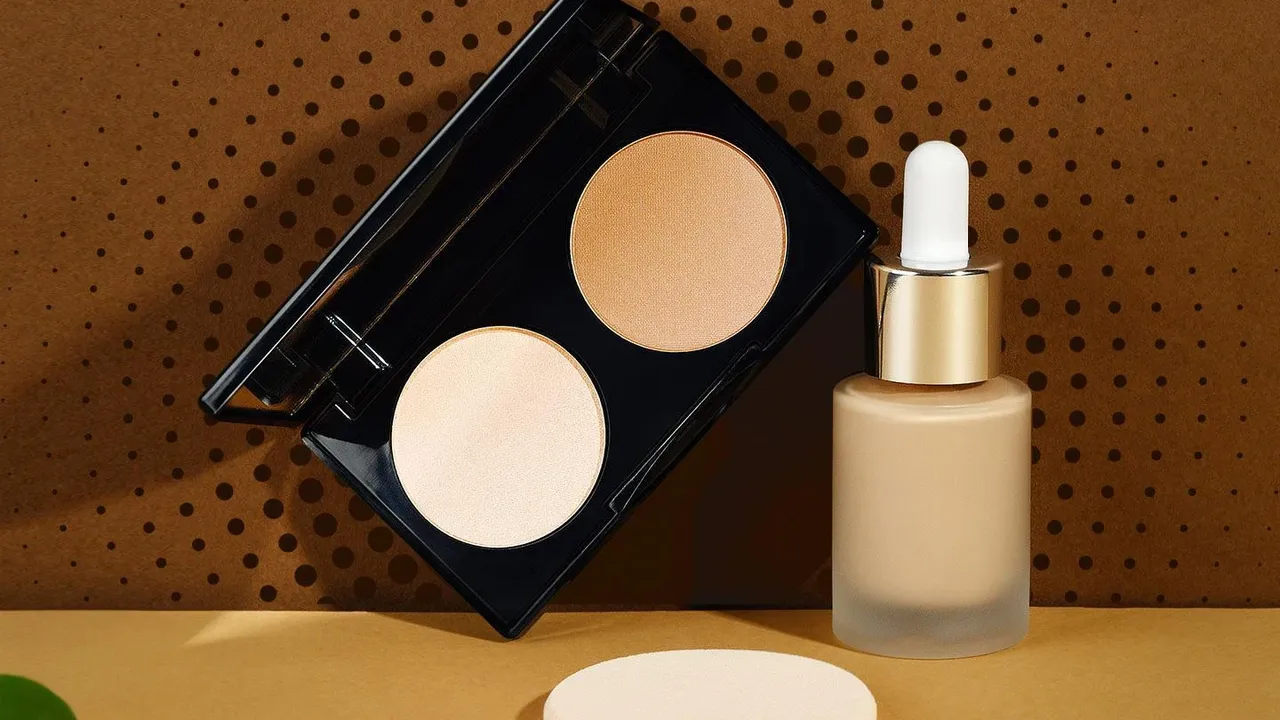
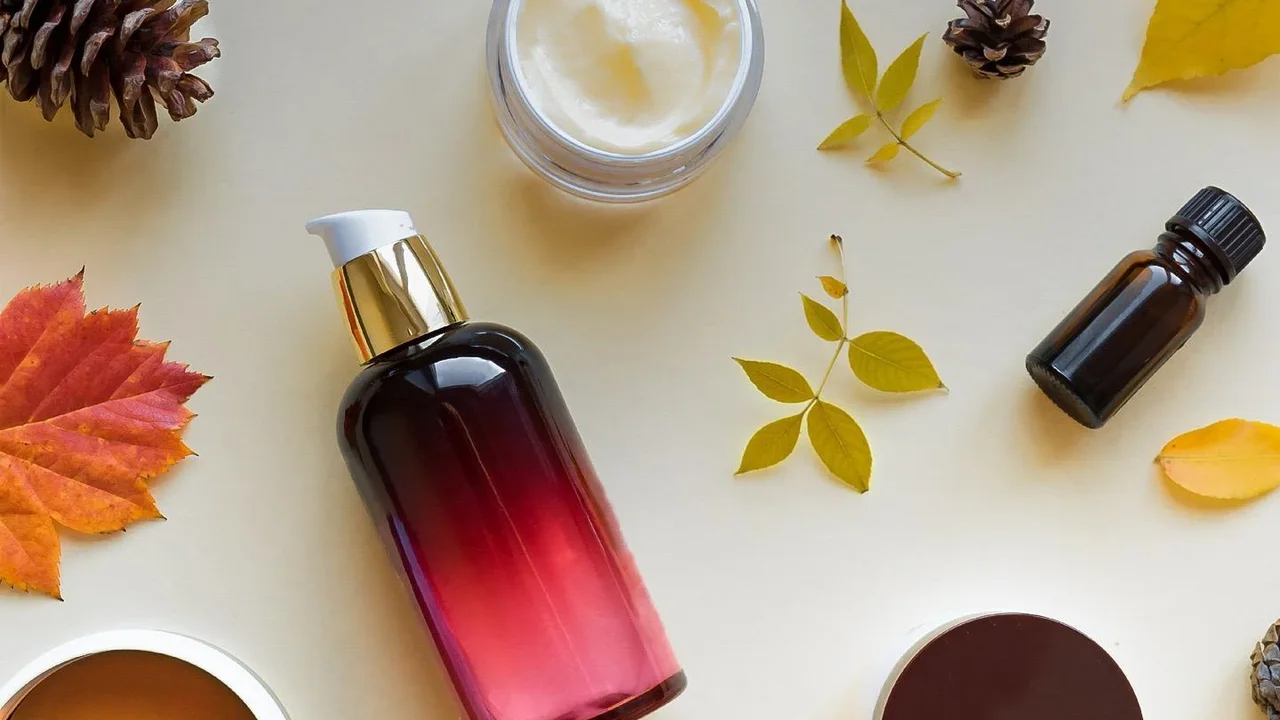
The line between skincare and makeup has blurred significantly, giving rise to a new category of hybrid products. Consumers now want their makeup to do more than just cover; they want it to care for their skin. This has led to the booming popularity of skin tints, tinted serums, and lightweight foundations infused with skin-loving ingredients like hyaluronic acid, niacinamide, and SPF. These formulas offer sheer, buildable coverage that evens out skin tone while delivering hydration and other benefits. Brands have responded to this demand, with many new launches focusing on these 'second-skin' finishes that feel comfortable and breathable.
A Shift in Social Media Aesthetics
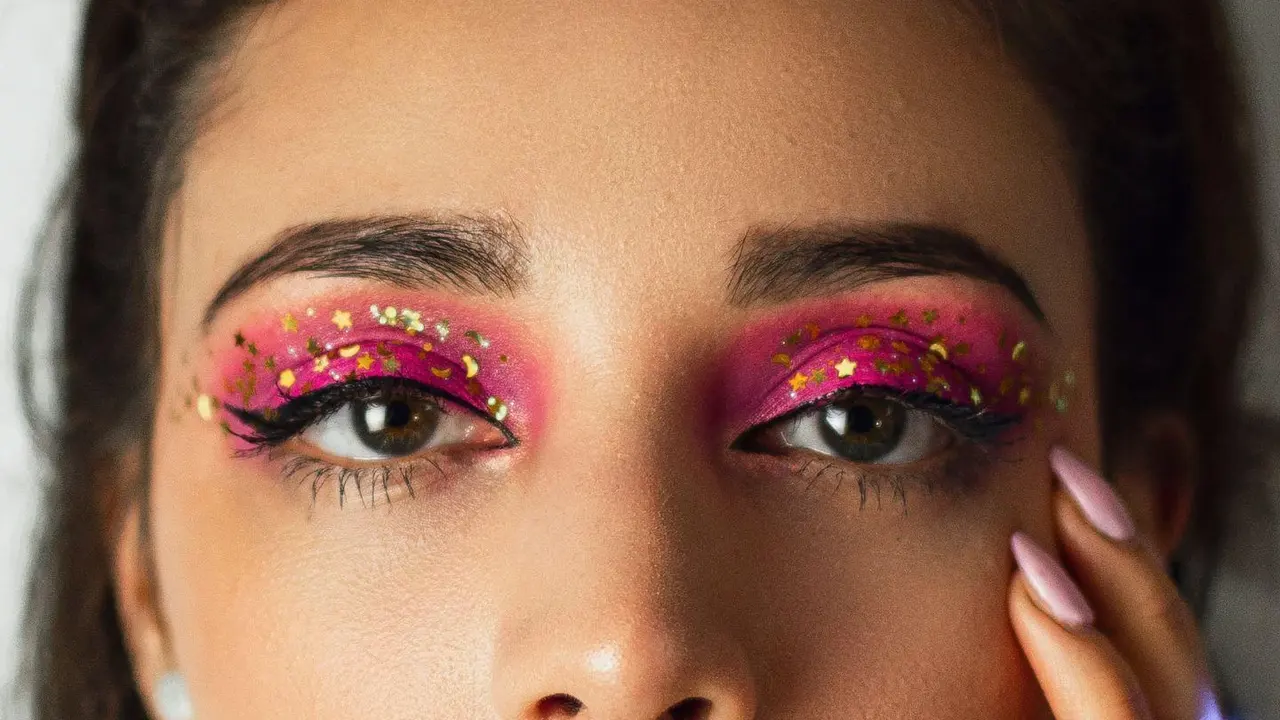
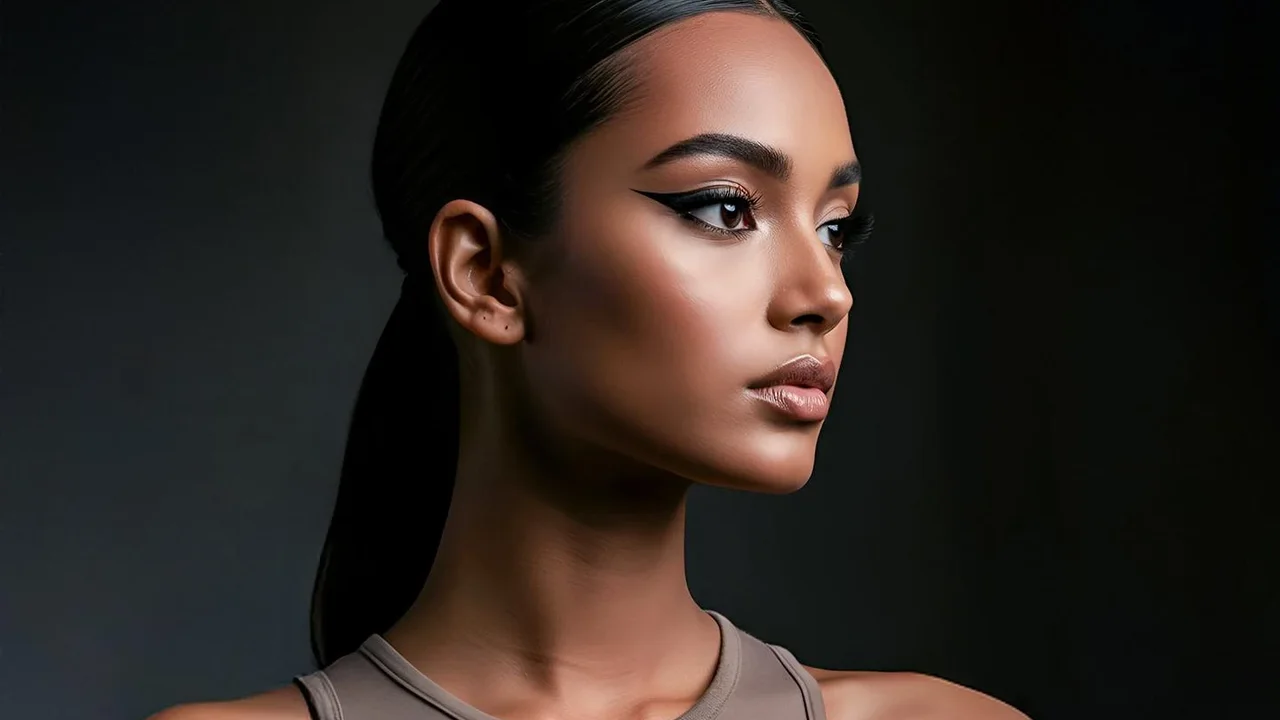
Social media has long dictated beauty trends. Around 2016, the dominant look was the 'Instagram Baddie,' characterized by heavy contouring, carved-out eyebrows, matte liquid lipstick, and, of course, a full-coverage base. Fast forward to today, and the prevailing trend is the 'clean girl aesthetic,' which favors a dewy, minimalist look. This newer ideal focuses on fluffy brows, glossy lips, and a glowing base that looks more like natural skin. While the 2016 look was about transformation and artistry, the current trend is about appearing effortlessly polished. However, there are already signs of another shift, with some beauty enthusiasts moving away from the 'clean girl' uniformity toward more expressive and individualistic makeup, though still without the heavy base of the past.
The Post-Pandemic Comfort Factor
The global pandemic significantly altered daily routines and, with them, our relationship with makeup. As many people transitioned to working from home, elaborate makeup routines felt unnecessary. Comfort became a priority, and heavy foundation was one of the first things to go. This period encouraged a reset, allowing people to get more comfortable with their bare skin and embrace a more low-maintenance approach. The focus shifted from being camera-ready at all times to prioritizing skin health and personal comfort, a habit that has persisted even as social activities have resumed.
Embracing Individuality and Authenticity
Ultimately, the move away from full-coverage foundation is part of a broader cultural movement towards authenticity and self-acceptance. People are increasingly celebrating individuality rather than conforming to a single beauty standard. For many, this means embracing skin texture, occasional blemishes, and unique features instead of striving for an unattainable ideal of poreless perfection. While full-coverage foundation was once seen as a confidence-boosting shield, many now find confidence in letting their real skin show. The new goal isn't to look flawless; it's to look and feel like the best version of yourself.