



Dhaniya Panjiri
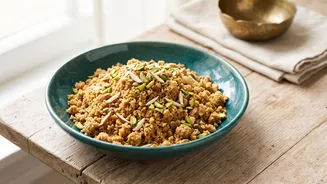
No Janmashtami bhog is complete without Dhaniya Panjiri, a unique and aromatic preparation specific to this festival. Unlike the whole wheat version, this prasad is made by roasting coriander seed powder in pure ghee until it releases a beautiful fragrance.
This roasted powder is then mixed with powdered sugar, a generous assortment of chopped nuts like almonds and cashews, and sometimes grated dry coconut and melon seeds. It has a distinct, crumbly texture and a warm, spiced flavour that is both delicious and suitable for those observing a fast. It's a quick, no-fuss recipe that embodies the festive spirit.
Makhana Kheer
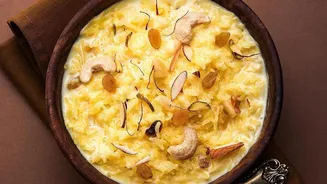
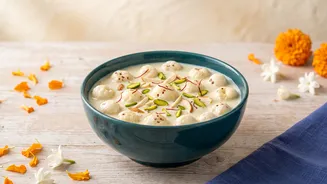
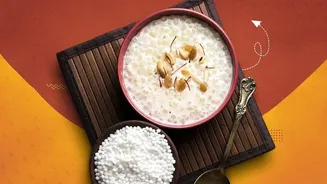
A creamy, delightful dessert, Makhana Kheer is a fasting favourite and a wonderful offering for Lord Krishna. Made with phool makhana (fox nuts), this kheer is both light and rich. The makhana are first roasted in ghee until they become crisp, which gives the pudding a lovely nutty undertone. Some of the roasted nuts are lightly crushed before being simmered in full-fat milk. As the milk thickens, it's sweetened with sugar and delicately flavoured with cardamom powder and strands of saffron, which also lend it a beautiful golden hue. Garnished with slivered nuts, it's a comforting and divine sweet.
Panchamrit
Panchamrit, which translates to "five nectars," is an essential part of any puja, and especially significant during Janmashtami. This sacred concoction is a simple, uncooked mixture of five core ingredients: raw milk, curd (yogurt), honey, sugar, and ghee. Each ingredient holds symbolic meaning, representing purity, strength, and sweetness. Often, a few Tulsi (holy basil) leaves and Ganga jal are added for further sanctity. The mixture is used for the ritual bathing of the idol of baby Krishna and is then distributed among devotees as charnamrit, a blessed offering that nourishes the body and soul.
Gopalkala
Also known as Dahi Poha, Gopalkala is a savoury Maharashtrian dish believed to be a favourite of Lord Krishna. Legend says that Krishna would mix his lunch with that of his friends while grazing cows, creating a shared meal. This recipe reflects that story, combining flattened rice (poha) with yogurt, chopped cucumber, fresh coconut, and pomegranate seeds. It is then seasoned with a simple tempering of ghee, cumin seeds, and green chillies. The result is a refreshing, cooling, and flavourful dish that is both a satisfying snack and a meaningful prasad, symbolising community and simplicity.
Milk Peda
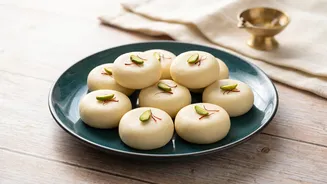
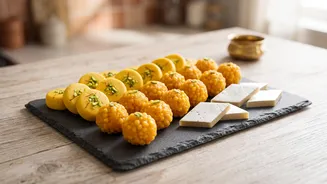
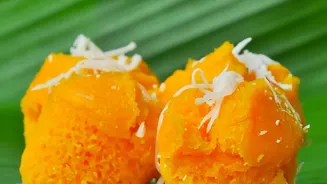
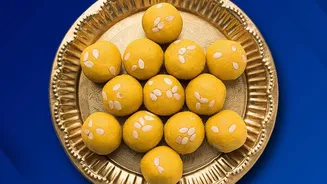
Peda is a classic Indian sweet that's almost synonymous with celebrations and offerings. Originating from Mathura, Lord Krishna's birthplace, it holds a special place in Janmashtami festivities. These soft, fudge-like discs are traditionally made by slowly simmering milk until it thickens into khoya (milk solids), which is then sweetened with sugar and flavoured with cardamom or saffron. For a quicker version, many home cooks use milk powder or store-bought khoya, which is gently cooked with condensed milk or sugar until it forms a soft dough. Once cooled slightly, the mixture is shaped into small, round pedas and often garnished with a pistachio.
Sabudana Khichdi
A staple for those observing a fast (vrat), Sabudana Khichdi is a wholesome and popular dish made across India during religious festivals. The key is perfectly soaked sabudana (tapioca pearls), which turn soft and translucent when cooked. The pearls are sautéed in ghee with cumin seeds, green chillies, and often boiled potatoes and roasted peanuts for a delightful crunch. Seasoned with rock salt (sendha namak), it’s a simple yet satisfying meal that provides energy during a fast. Its light, non-greasy texture makes it a perfect dish for Janmashtami, either as part of the main meal or as an offering.