


Harnessing the Winter Sun
The key to a thriving indoor herb garden in winter is understanding the light. While winter days are shorter and the sun is less intense, a south-facing windowsill can provide the perfect environment for many herbs. This spot receives the most direct
sunlight throughout the day, which is crucial for photosynthesis. The glass of the window protects the plants from harsh winds and frost, creating a stable, warmer microclimate. For herbs like Tulsi, which are sensitive to cold, this protection is vital. While these plants need at least four to six hours of sunlight, the consistent warmth from inside the house helps them survive and even flourish during the colder months.
Your Windowsill Setup
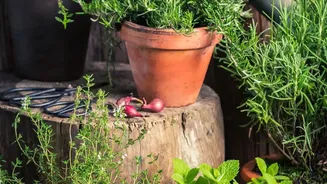
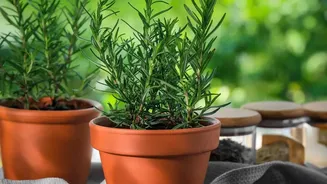
Success begins with the right foundation. Choose pots that are at least 6 to 8 inches deep to give roots ample space to grow. Crucially, ensure every pot has drainage holes at the bottom to prevent water from logging, which can lead to root rot—a common killer of indoor plants. Terracotta pots are an excellent choice as their porous nature allows soil to dry out more evenly. When it comes to soil, avoid using heavy garden soil, which compacts easily in pots. Instead, opt for a light, well-draining potting mix available at any nursery. This ensures that your herbs' roots get the oxygen they need to thrive.
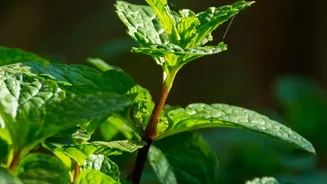
Caring for Holy Basil (Tulsi)
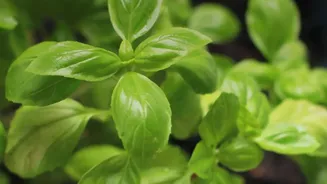
Tulsi, or Holy Basil, is a staple in many Indian households but requires specific care during winter. As a tropical plant, it despises the cold. If temperatures drop below 10°C, it's essential to keep it indoors. A sunny, south-facing window is its best friend. Winter is a period of rest for Tulsi, so its growth will slow down. This means it needs significantly less water. Check the soil, and only water when the top inch feels completely dry. Overwatering is the biggest risk for Tulsi in winter. Also, avoid using any fertiliser during these months, as the plant cannot properly absorb the nutrients. To encourage bushier growth, pinch off any flower buds that appear.
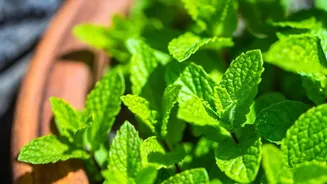
Growing Fresh Mint (Pudina)
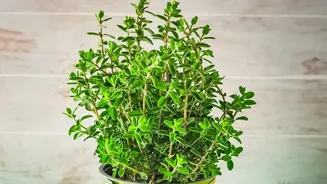
Mint is famously easy to grow, and it adapts well to indoor life. Like other herbs, it appreciates a sunny spot and needs at least 4-6 hours of light daily. Mint is known for its vigorous, spreading roots, so giving it its own pot is a wise decision to prevent it from taking over other plants. Keep the soil consistently moist but not waterlogged. An 8- to 10-inch wide pot will give a single plant plenty of room to expand. Even indoors, mint can become 'leggy'—with long stems and fewer leaves. Regular harvesting and placing it in the brightest possible spot will help keep it bushy and productive.
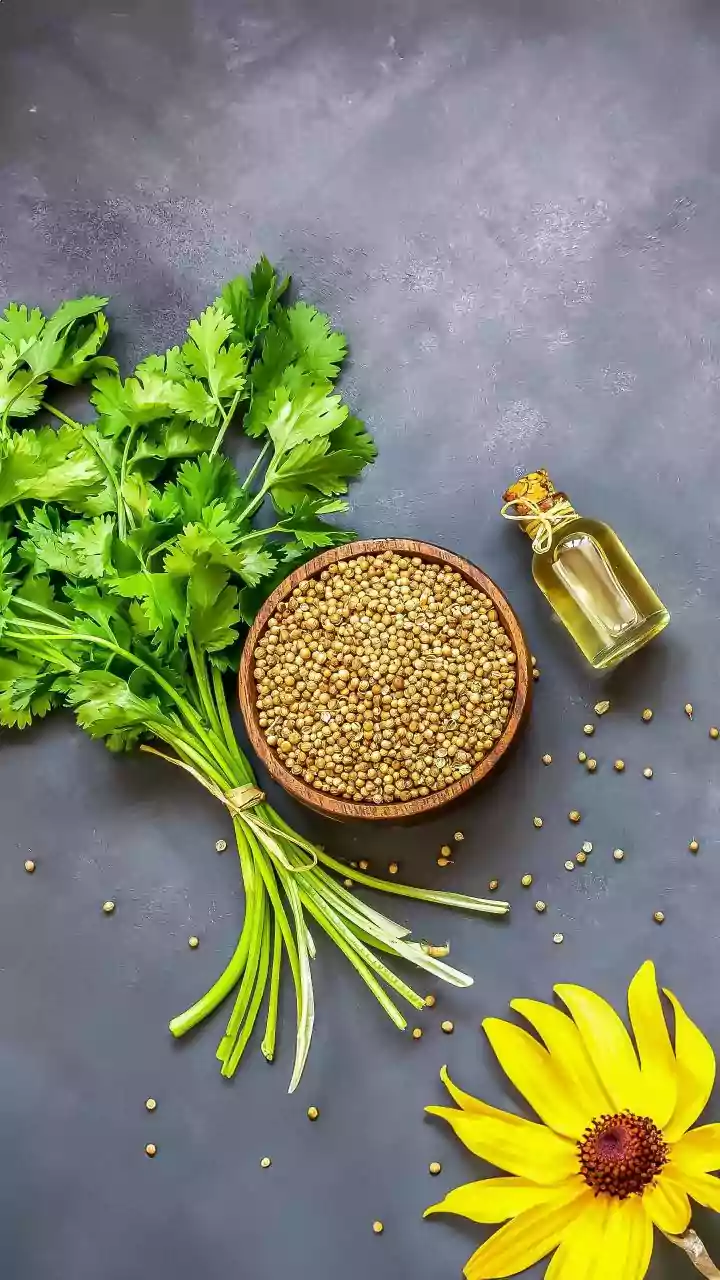
Mastering Coriander (Dhania)
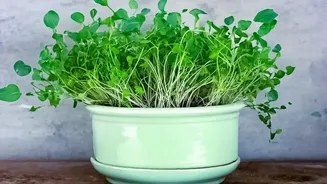
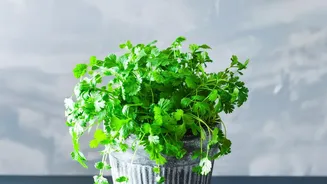
Growing coriander, or dhania, indoors can be incredibly rewarding. It grows best in cooler temperatures, making winter a good season for it. To start from seeds, it's helpful to first lightly crush the whole seeds to split them in half and then soak them overnight. This simple step significantly improves germination. Sow the seeds directly into their final pot, as coriander doesn't like to be transplanted. Spread the seeds on the surface of the soil and cover them with a thin layer of soil or cocopeat. Place the pot in a location that gets morning sun, as intense afternoon heat can cause the plant to 'bolt' (flower prematurely). Keep the soil consistently moist, and you should see sprouts in about a week to ten days.