







The Chemical Cocktail of a Firecracker
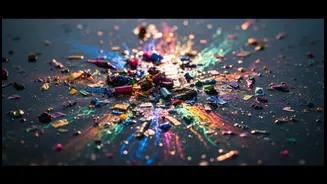
Fireworks are much more than just paper and gunpowder. To create their spectacular effects, they rely on a complex mixture of chemical compounds. The vibrant colours are produced by metal salts: strontium and lithium for reds, barium for greens, and copper
for blues. The powerful launch and explosive bursts are powered by oxidisers, most notably perchlorates. When a firework explodes, it doesn't just vanish. It releases a cloud of tiny particles, including these metals and unburnt chemical residues, which eventually settle back to earth. While air pollution from fireworks is a well-known concern, especially during major celebrations like Diwali, scientists are increasingly turning their attention to the less visible destination for this fallout: our water.
From the Sky to the Water
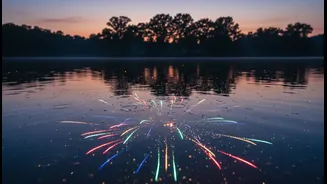
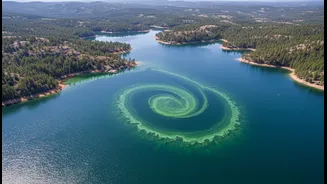
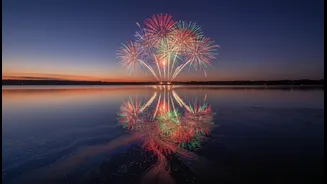
When fireworks are set off near lakes, rivers, or coastal areas, their debris has a direct path into the water. Even for displays further inland, rain can wash the settled chemical particles and solid debris from the ground into nearby water bodies. Recent laboratory studies published in the journal Environmental Science & Technology have shown what happens next. Researchers found that when firecracker residue is placed in lake and river water, it leaches significant amounts of metal ions like potassium and manganese, as well as dissolved organic compounds. This process can fundamentally alter the local water chemistry.
The Perchlorate Problem
One of the most studied contaminants is perchlorate, the oxidiser that gives fireworks their explosive power. This chemical dissolves easily in water and can persist in the environment for long periods. Studies have consistently found spikes in perchlorate levels in lakes and groundwater following major firework displays. For instance, one study at Upper Saranac Lake in the U.S. found that perchlorate levels in the water surged to more than eight times their baseline level the day after a fireworks show. While these concentrations were below the current health advisory limits, the consistent spikes are a cause for concern. In high doses, perchlorate can interfere with the human thyroid gland, which is crucial for regulating metabolism. For aquatic life, it can disrupt development in fish and amphibians.
A Murky Future for Aquatic Ecosystems
The impact isn't limited to a single chemical. The mix of heavy metals, sulfur-containing compounds, and other substances released from firework debris can disturb the delicate balance of aquatic ecosystems. These chemical changes could interfere with the health and activity of microbial communities, which form the foundation of the aquatic food web. Furthermore, the physical debris itself, including plastic casings and paper remnants, contributes to water pollution. These materials can be mistaken for food by fish and birds, leading to injury and starvation. Over time, especially in areas with repeated, large-scale celebrations, the cumulative effect of this pollution poses a significant threat to water quality and wildlife.
The Search for Greener Alternatives
As awareness of the environmental impact grows, so does the search for solutions. Some manufacturers are developing "eco-friendly" fireworks that use nitrogen-based propellants, which burn more cleanly and reduce the need for perchlorate oxidisers. Others are experimenting with biodegradable materials for casings to reduce physical waste. However, these alternatives are often more expensive and not yet widely available. In the meantime, some experts suggest that simple measures can help. Attending large, public displays rather than setting off individual fireworks can centralise the impact and allow for more organised cleanup efforts. Properly collecting and disposing of spent firework litter is also crucial to prevent it from being washed into waterways.