


Why Weather Is More Than Just a Packing List
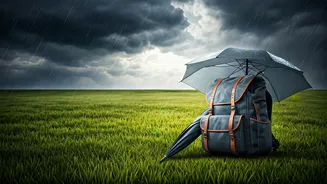
Thinking about weather is not just about deciding between a jacket and an umbrella; it's about understanding how it will shape your entire trip. India's vast geography means its climate is incredibly diverse. The scorching summer heat in Rajasthan, where
temperatures can exceed 45°C, can make exploring its majestic forts an exhausting ordeal during midday. [19] In contrast, the monsoon season (roughly June to September) transforms Kerala's backwaters into a lush, green paradise but can make beaches in places like Goa inaccessible and risky. [23, 4] The cool, dry winter months, from October to March, are widely considered the best time to visit many parts of the country, including the popular Golden Triangle of Delhi, Agra, and Jaipur, as the pleasant weather is perfect for sightseeing. [3, 6, 20]
The Art of Strategic Timing: Peak vs. Shoulder Season
Most travellers aim for the peak season—typically the winter months—for its comfortable climate. [25] However, this also means larger crowds at iconic sites like the Taj Mahal, longer queues, and higher prices for flights and hotels. [2] This is where understanding the 'shoulder season' becomes a traveller's superpower. The shoulder season refers to the periods just before or after the peak season, such as March-April or September-October. [14] During these times, the weather is often still pleasant, but the crowds have thinned out considerably. [24] Travelling to Rajasthan in October, for instance, allows you to enjoy the post-monsoon greenery with fewer tourists than in December. [2] This not only leads to a more relaxed experience but can also result in significant savings on accommodation and activities. [10, 28]
Crowds: From Overwhelming to Experiential
Not all crowds are created equal. While the congestion of over-tourism can detract from an experience, the throng of a vibrant festival can be the experience itself. India's cultural calendar is packed with festivals that draw millions. [11] The Pushkar Camel Fair in November, for example, is a spectacular cultural event that attracts throngs of people, but witnessing the colour and chaos is the main attraction. [5, 16] Similarly, participating in Holi (March) or witnessing the grandeur of Diwali (October/November) can be the highlight of a trip. [13, 17] However, these events require meticulous planning. Accommodation and transport must be booked months in advance, and travellers should be prepared for massive gatherings. [5] For major religious congregations like the Kumbh Mela, which attracts hundreds of millions, authorities often implement sophisticated crowd management systems to ensure safety. [11, 18, 21]
Embracing the Monsoon with a Plan
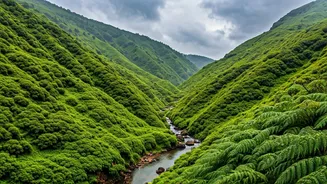
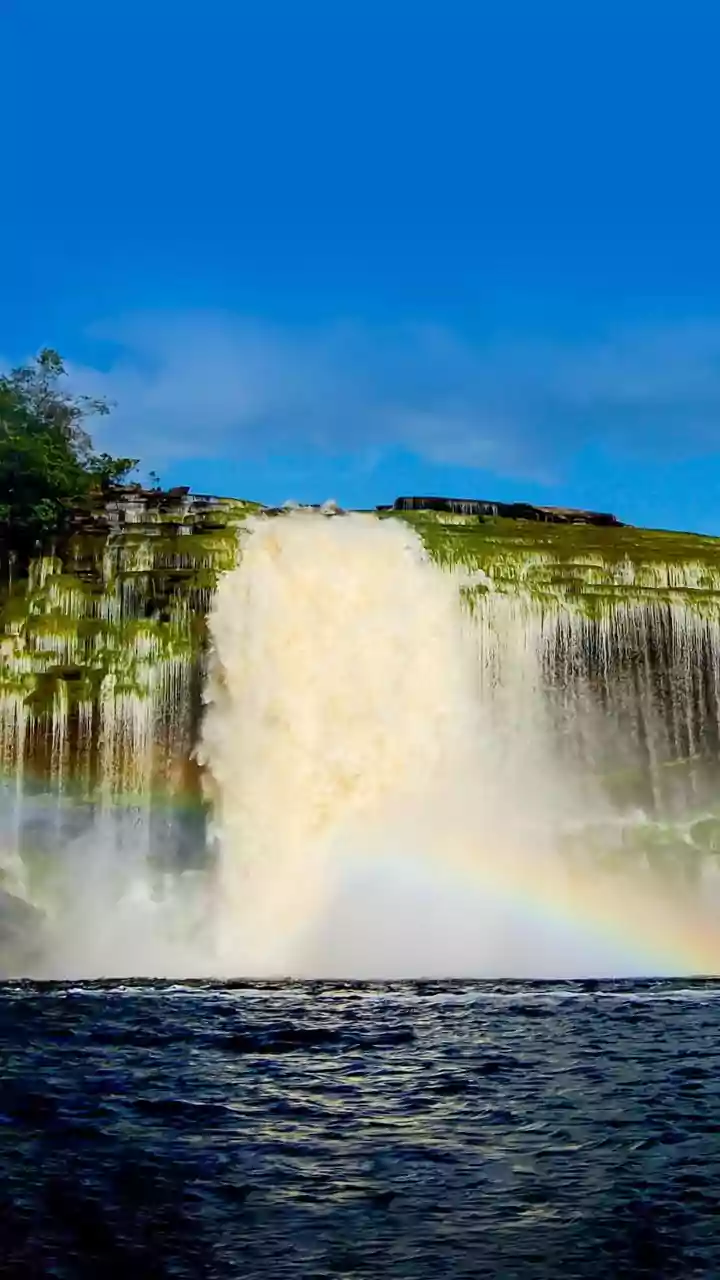
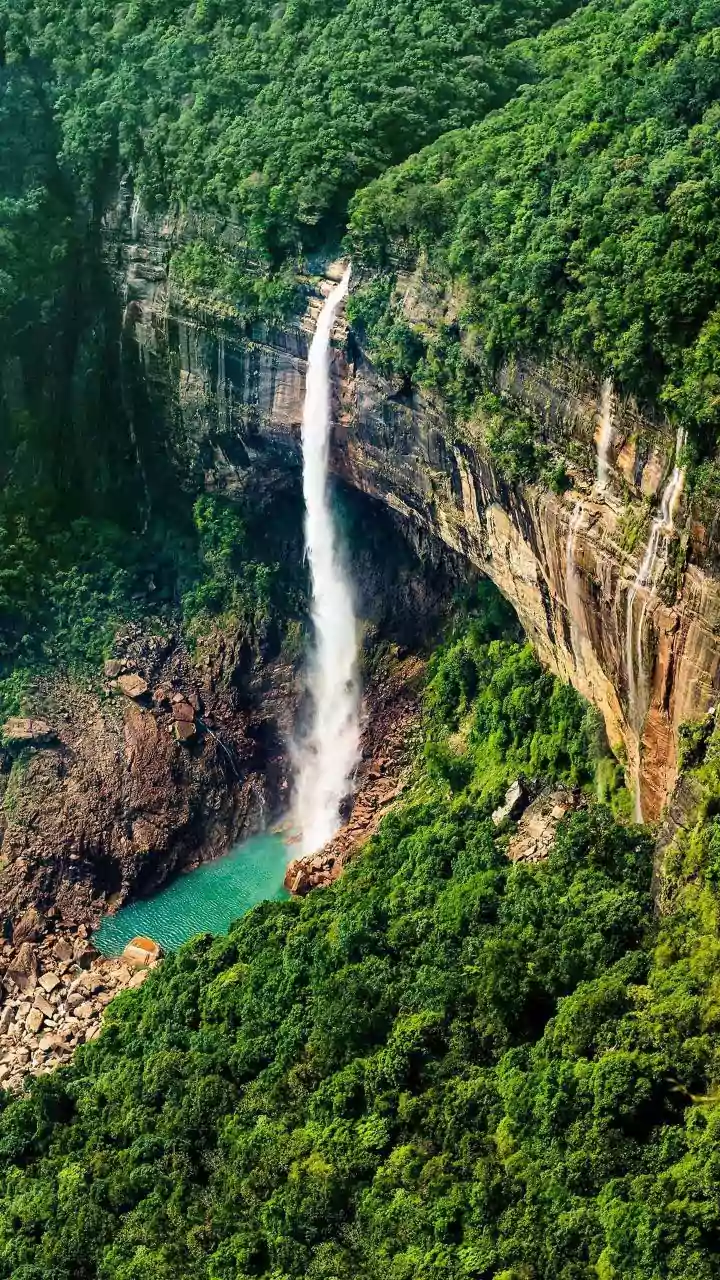
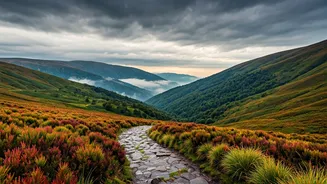
While the monsoon season is traditionally considered the off-season for tourism in many parts of India, it is gaining popularity among domestic travellers. [4, 12] The rains bring landscapes to life, with lush greenery carpeting hills and waterfalls like Dudhsagar in Goa at their most powerful. [24] It's a time when hotel prices drop, offering luxury stays for a fraction of the peak season cost. [10] However, monsoon travel comes with caveats. In hilly regions like Himachal Pradesh, there is a risk of landslides. [24] In coastal areas, beach activities are restricted. [23] For those seeking a different kind of trip—perhaps focused on wellness treatments in Kerala, enjoying dramatic skies for photography, or exploring tea plantations in their prime—the monsoon can be a uniquely rewarding time to travel, provided you plan for potential disruptions. [10, 15]
Your Planning Toolkit
Smart planning is easier than ever with modern tools. For weather, rely on official sources like the India Meteorological Department (IMD) for forecasts. When it comes to crowds, technology can offer clues. Google Maps' 'Popular times' feature can give you a rough idea of how busy a particular museum or monument is on a given day and time. Travel blogs and forums are invaluable for recent, on-the-ground reports about crowd levels and seasonal conditions. For major festivals, official tourism websites often provide dates and schedules well in advance, allowing you to either plan your visit to coincide with them or avoid the associated rush. Being proactive with this information is the key to unlocking a smoother, more enjoyable cultural journey.