


Why Age Is More Than Just a Number
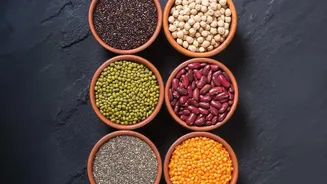
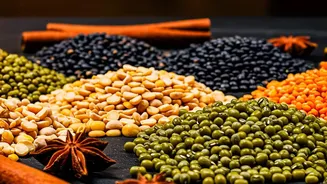
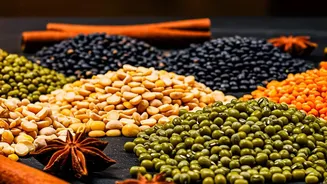
Dried pulses like lentils, chickpeas, and beans are staples in Indian kitchens, prized for their long shelf life. However, "long" doesn't mean "forever" without consequence. As pulses age, they lose moisture. The longer a pulse is stored, the drier and harder
its outer seed coat becomes. This makes it much more difficult for water to penetrate and soften the pulse during cooking. Ideally, it's best to use dried pulses within a year of purchase for the best texture and most reasonable cooking time. If you have a packet of rajma that's been in your pantry for several years, you'll likely need to give it a significantly longer soaking and cooking time to achieve that desired softness. Some very old pulses may even refuse to soften completely, no matter how long they are cooked.
The Brand Factor: Polished vs. Unpolished
Not all dals are created equal, and the difference often comes down to processing. You've likely seen both shiny (polished) and dull (unpolished) dals on store shelves. Polishing is a commercial process where dals are treated with oil, water, or even marble powder to give them a uniform, appealing sheen and extend their shelf life. However, this process can strip away some of the outer layer, which contains fibre and nutrients. From a cooking perspective, this polishing can sometimes slow water absorption, potentially increasing cooking time, although the difference may be minimal in a pressure cooker. In contrast, unpolished dals retain their natural outer layer. Many cooks find that unpolished dals have a more authentic, earthy flavour and better texture. The trade-off is a shorter shelf life, so it's best to buy them in quantities you'll use within a few months.
Your Toolkit for Perfectly Cooked Pulses
Armed with this knowledge, you can adjust your technique. Soaking is your first and most powerful tool. For larger pulses like chickpeas (chana) and kidney beans (rajma), soaking overnight is essential. For lentils (dal) and split peas, soaking isn't always necessary but can still cut down on cooking time. Always discard the soaking water and use fresh water for cooking to wash away compounds that can cause gas. A pressure cooker is a game-changer, especially for older, tougher pulses, as it dramatically shortens cooking time. If you're still facing stubborn pulses, a tiny pinch of baking soda in the cooking water can help. Its alkaline nature helps break down the tough skins faster, but use it sparingly as too much can affect the taste and destroy some nutrients.
Common Pitfalls to Avoid
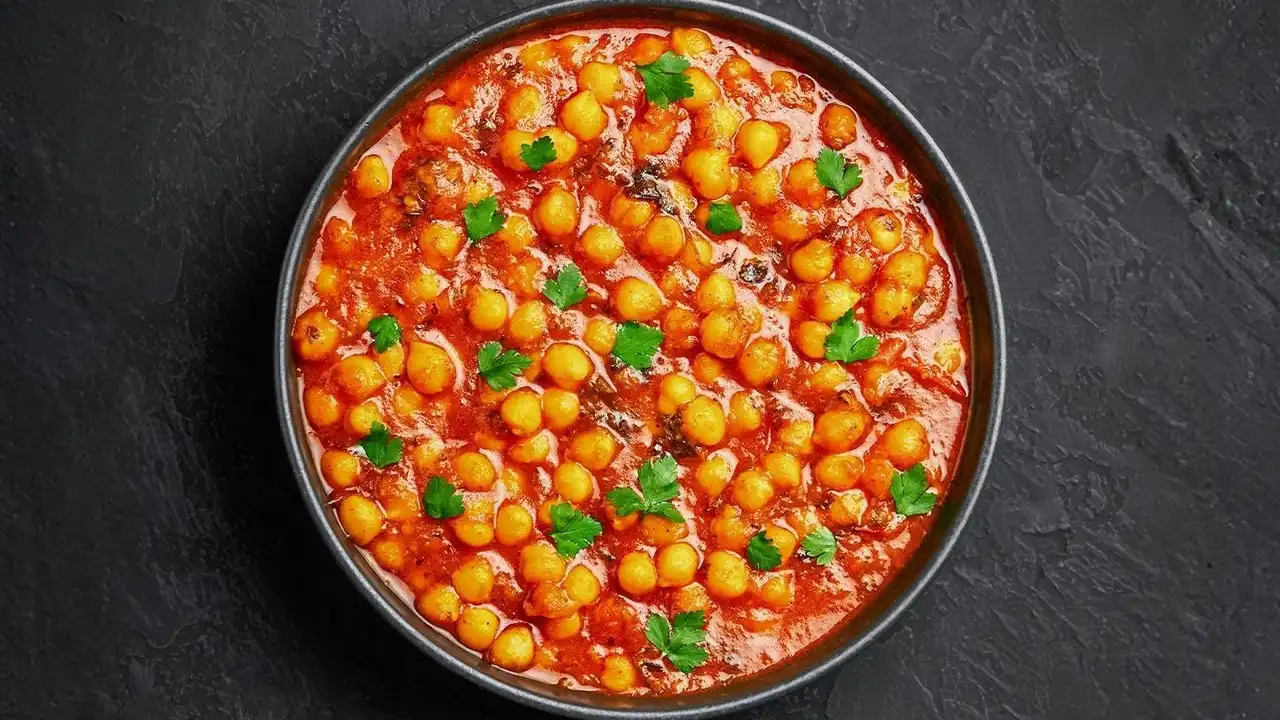
A few common habits can sabotage your efforts. One major culprit is adding acidic ingredients like tomatoes, lemon juice, or tamarind too early in the cooking process. Acids can prevent the pulses from softening, so it is best to add them only after the dal or beans are tender. Another myth is that adding salt at the beginning toughens pulses. In fact, some evidence suggests that adding salt to the cooking water can actually help soften pulses and results in a better flavour and texture. Finally, be mindful of your water. Very hard water, which is high in minerals like calcium, can also interfere with the softening process. If you suspect you have hard water, using filtered water for cooking your pulses might make a noticeable difference.