

Escaping the Exercise Treadmill
We've all known the feeling. You buy the gym membership with the best intentions. You set an early alarm. But soon, the motivation fades, and the workout becomes another obligation in a busy day. This struggle often comes from viewing movement as a separate,
scheduled event rather than an integrated part of living. Psychologists explain that habits are formed through a loop of a cue, a routine, and a reward. When the cue is an alarm clock and the routine feels like a punishment, it’s hard to build a lasting habit, no matter the long-term health benefits. The result is a cycle of guilt and avoidance. The key isn't to force ourselves harder, but to fundamentally change the script. It's about shifting from a mindset of obligation to one of opportunity by redesigning the world immediately around us.
Your Environment as Your Partner
The idea that we sit too much because we're lazy is a myth; we sit because our world is designed for it. But the same principles can be used in reverse. This is the core of 'active design'—an approach to architecture and planning that intentionally shapes our environment to encourage physical activity. It’s not about adding a gym to every building, but about creating spaces that subtly 'nudge' us to move. This could mean making staircases more visible and appealing than elevators, creating interesting walking paths, or placing amenities in a way that requires a short walk. These small, environmental cues make physical activity feel less like a decision and more like a default, weaving it seamlessly into our daily routines.
Movement Beyond Your Four Walls
Our communities play a massive role in our activity levels. Research consistently shows that people living in walkable neighbourhoods with accessible green spaces are more physically active and report better mental health. When your local shop, a park, or a friend’s house is a pleasant walk away, choosing to leave the car behind becomes an easy decision. This is where concepts like 'biophilic urbanism' come into play, which involves integrating natural elements like trees, green corridors, and water features into cityscapes. These elements don't just beautify an area; they make being outdoors more pleasant, reduce stress, and encourage social interaction, all of which are powerful motivators for movement. A well-designed park isn't just a patch of grass; it's a social hub, a playground, and an open-air gym all in one.
Bringing Active Design Home
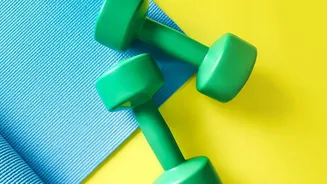
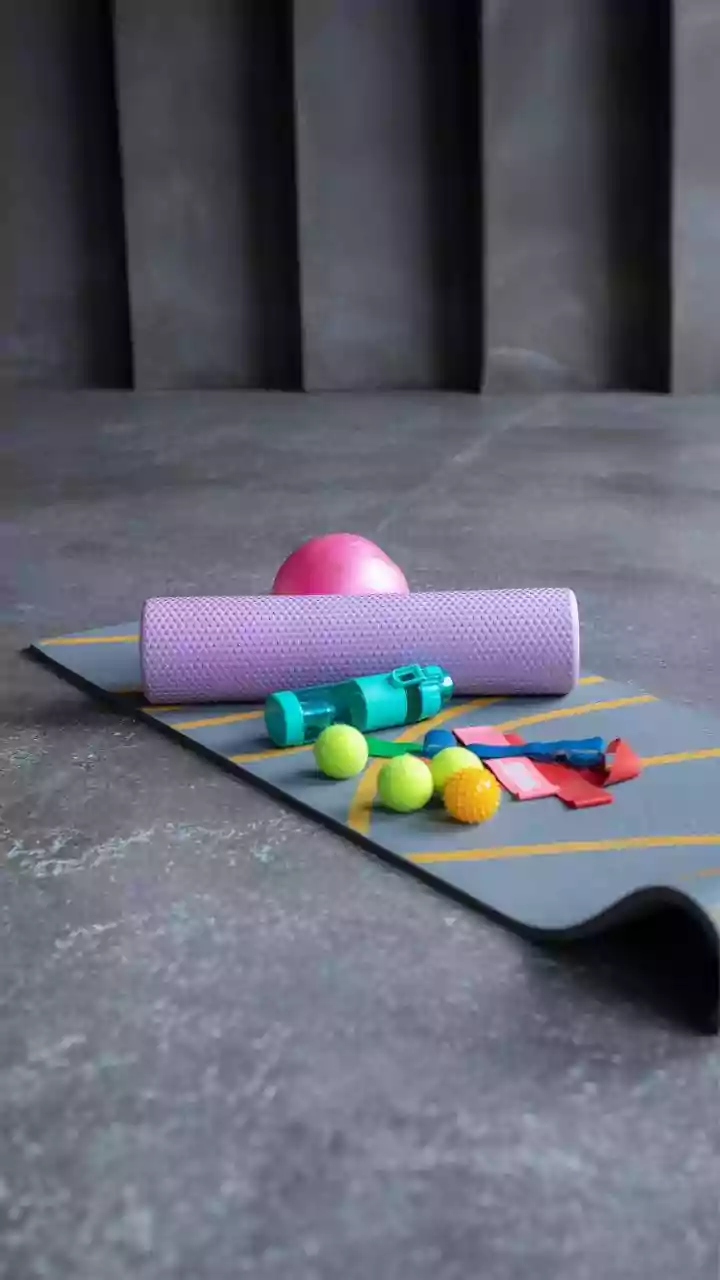
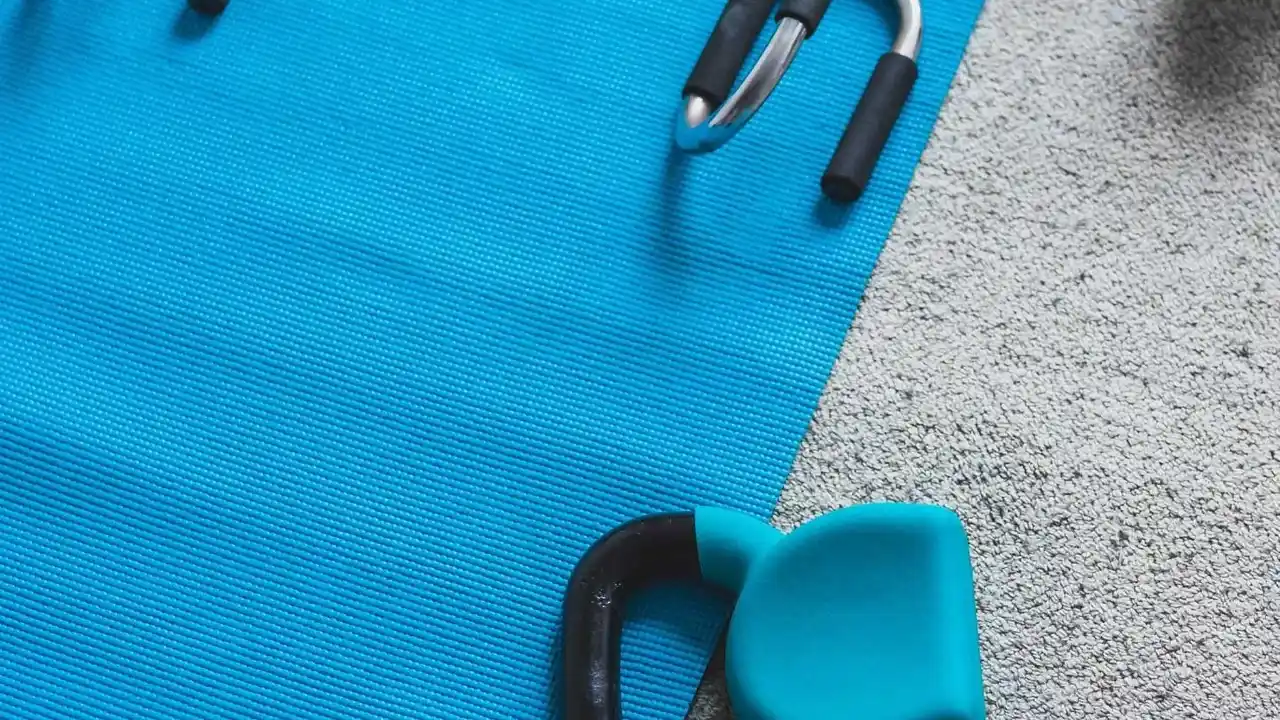
You don't need to be an urban planner to reap the benefits of active design. Your own home can be your greatest ally in building a more active life. Start by making movement easy and visible. Keep a yoga mat in a corner of your living room, hang a resistance band on a doorknob, or place a balance board near your standing desk. Consider your furniture layout. Can you create more open floor space for stretching or spontaneous dance parties? Even simple changes, like moving the bin to the other side of the room, can add a few extra steps to your day. The goal is to reduce the friction between you and the activity. By making movement-friendly tools and spaces part of your home's landscape, you're creating constant, gentle invitations to move your body.
The Liberating Power of Play
Ultimately, creating enjoyable spaces is about reconnecting movement with a sense of play and freedom. For children, movement is a natural expression of joy, and their surroundings heavily influence this. The same is true for adults. When our environment encourages us to be active in fun, spontaneous ways, the activity itself becomes the reward. An inviting garden might encourage you to spend an hour weeding and pottering, providing a much more fulfilling workout than 20 minutes of watching the clock on a treadmill. A beautifully lit, scenic staircase makes taking the stairs a small moment of pleasure. By designing our homes and communities to be more engaging and inspiring, we invite our bodies to participate in the world, turning physical activity from a dreaded task into a source of daily delight.