

The Two Faces of Iron
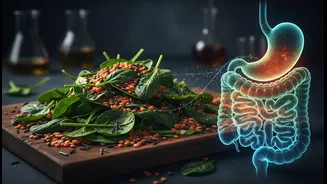
Before we dive into the new science, it's important to understand a key distinction. Iron in food comes in two forms: heme and non-heme. Heme iron, found in meat, poultry, and fish, is easily absorbed by the body. Non-heme iron, found in plant-based sources
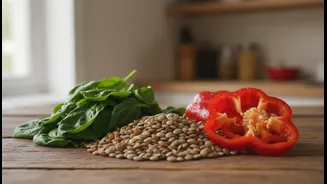
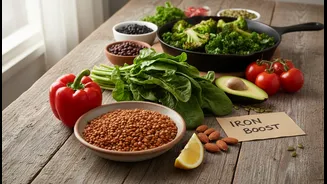
like lentils, beans, spinach, and whole grains, is far more common in a typical Indian diet but is absorbed much less efficiently. Its absorption can be hindered by compounds called phytates and polyphenols, which are naturally present in plants, tea, and coffee. This is a major reason why iron deficiency remains a widespread public health concern in India, affecting energy levels, cognitive function, and overall well-being, particularly among women and children.
New Finding: Your Body Learns to Adapt
Here's the exciting new discovery: your body might be able to adapt to a plant-based diet to become better at absorbing non-heme iron. Recent 2026 studies are challenging the old idea that plant iron bioavailability is a fixed, low number. Research shows that in long-term vegans, the body can increase its efficiency in absorbing plant-based iron. It does this by down-regulating a hormone called hepcidin. Think of hepcidin as a gatekeeper for iron; when its levels are lower, the gate opens wider, allowing more iron from your food to enter your bloodstream. This suggests that a consistent plant-based diet may train your body to become a more effective iron absorber over time, a truly empowering finding for those who rely on plants for their nutrition.
The Allium Advantage: Your Kitchen’s Secret Weapon
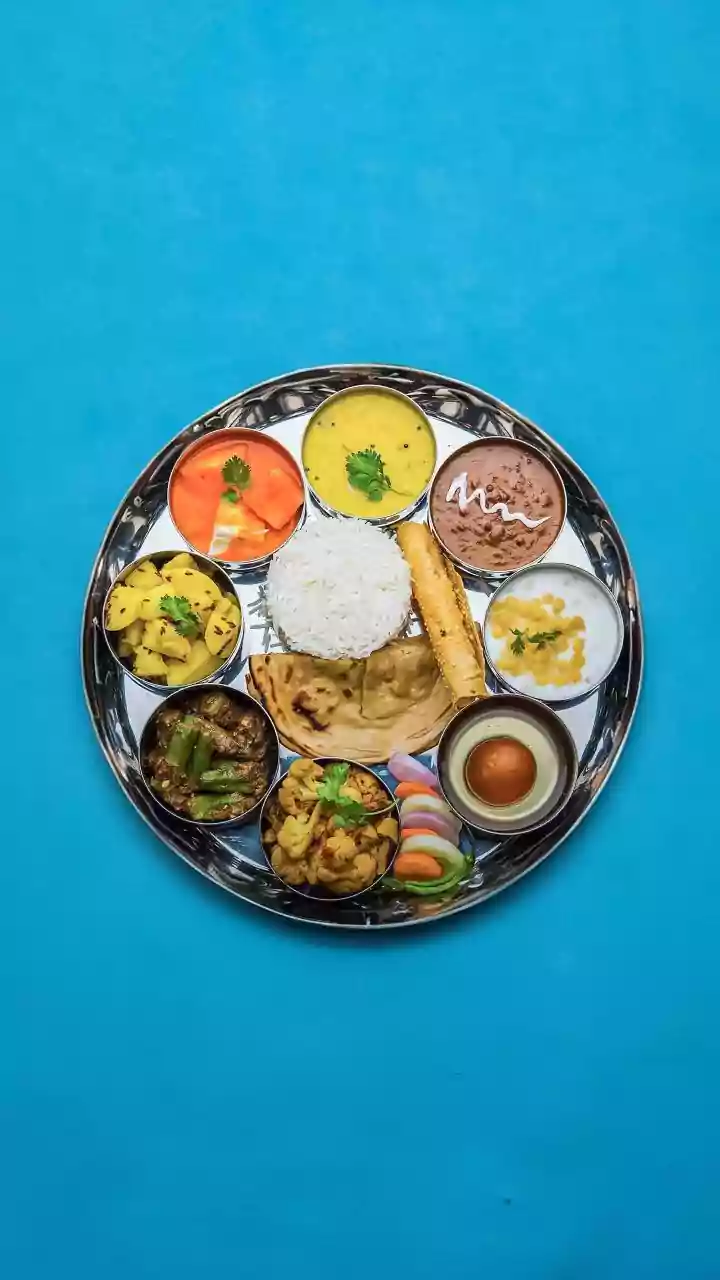
While vitamin C is the most famous iron booster, another powerful ally is likely already a staple in your kitchen: garlic and onions. Research has shown that the sulfur-rich compounds in these allium vegetables can dramatically increase the absorption of iron and zinc from grains and pulses. One study indicated a potential increase in bioavailability of up to 70% or more. This is incredibly relevant for Indian cooking, where dal, sabzi, and rice dishes almost always start with a base of onion and garlic. Simply being generous with these flavour-makers in your cooking could be a simple, effective strategy to unlock more of the iron present in your lentils, chickpeas, and whole grains.
Mastering the Classics: Vitamin C and Smart Timing
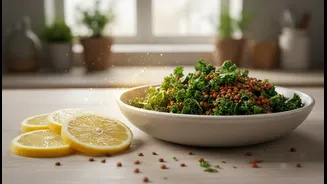
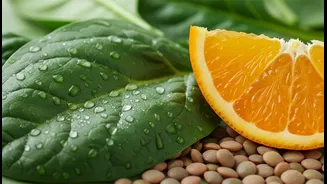
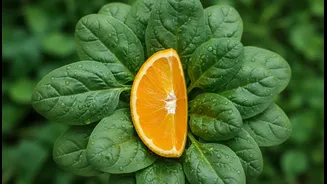
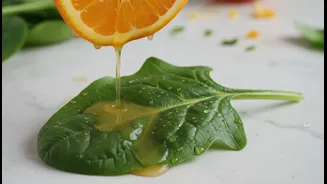
The long-standing advice to pair iron-rich foods with vitamin C is still golden. Vitamin C can increase non-heme iron absorption significantly by converting it into a more usable form for your body. This means squeezing lemon over your dal, adding tomatoes to your spinach palak, or having a side of amla. Just as important as what you add is when you consume certain things. The tannins and polyphenols in tea and coffee are powerful iron blockers. Recent guidance suggests a simple but effective '90-minute rule': wait at least 90 minutes after an iron-rich meal before having your chai or coffee. This small timing change can prevent a massive drop in iron absorption, ensuring your body gets the full benefit of the meal you just ate.
Building an Iron-Smart Plate
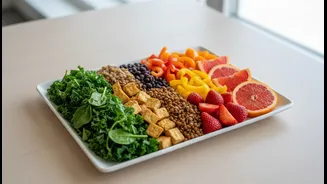
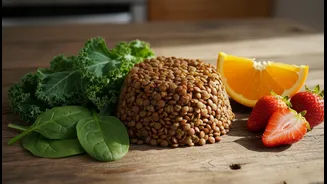
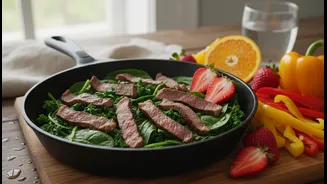
So how do you put this all together? It’s about making small, intentional tweaks. When you cook a dal, be generous with the onion-garlic tadka and add tomatoes for vitamin C. If you’re making a spinach dish, don't just cook it with tomatoes but also add a final squeeze of lemon juice before serving. For a snack, try a handful of pumpkin seeds (a great iron source) with an orange. Think about reducing phytates by soaking your lentils and beans overnight before cooking. And remember to schedule your daily tea break well away from your main meals. These aren't drastic changes but a series of small, science-backed strategies that work together to significantly boost your body's ability to absorb essential iron from your plant-based diet.