


From Visiting to Staying
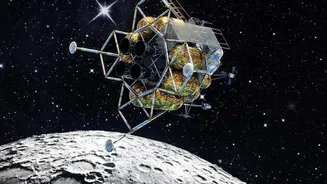
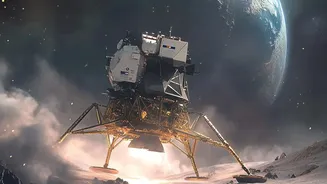
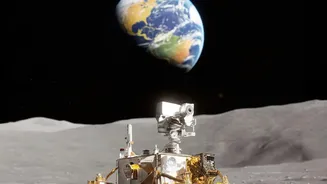
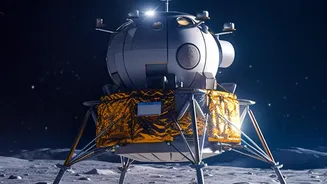
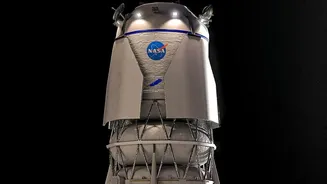
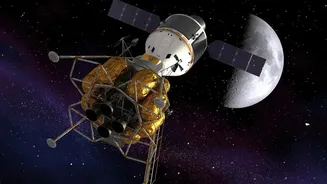
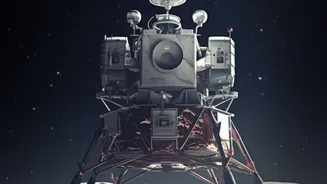
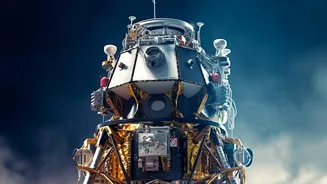
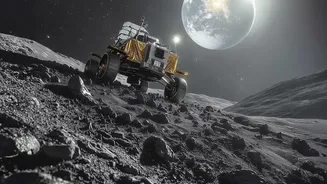
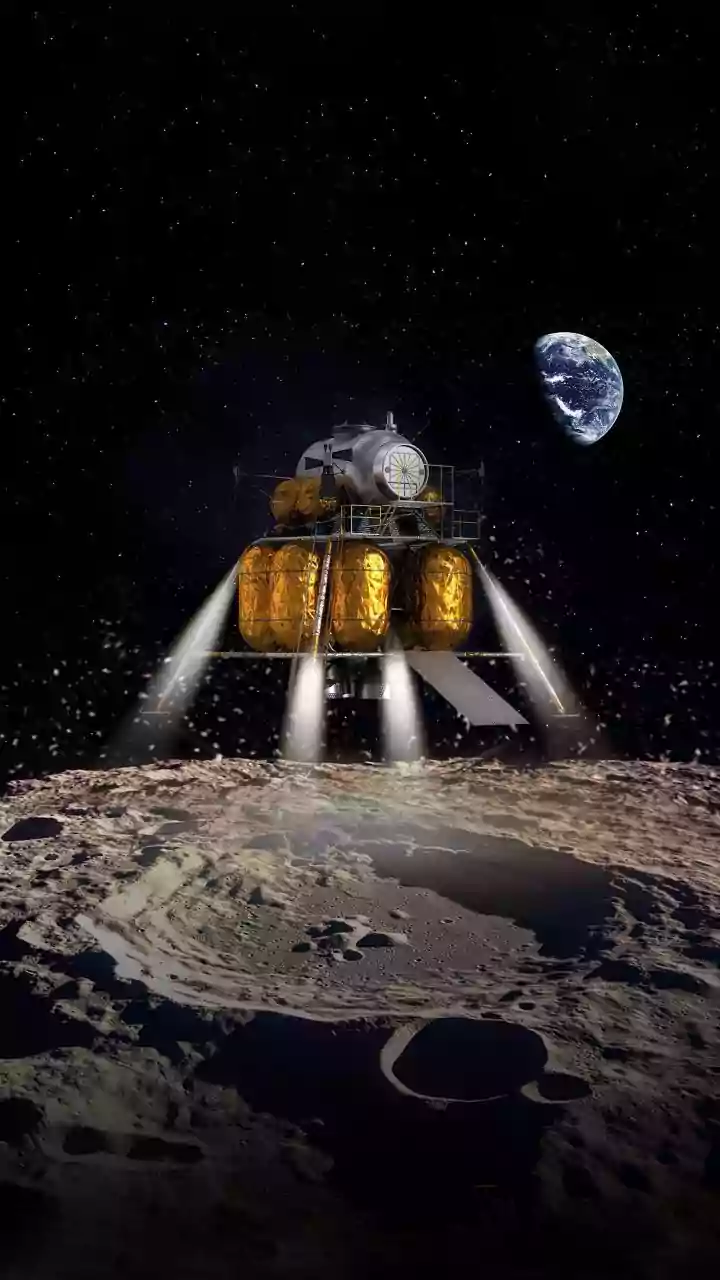
For decades, going to the Moon was a temporary affair. The Apollo missions were incredible feats, but they were short stays. NASA’s new vision, under the umbrella of the Artemis program, is far more ambitious: to build a long-term, sustainable human presence
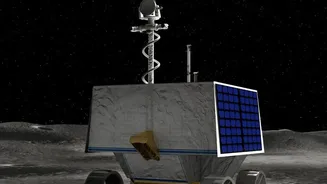
on the lunar surface, specifically near the resource-rich South Pole. This isn't just a science project; it's the construction of humanity's first off-world outpost. The plan involves a phased approach, starting with robotic missions to map the terrain and test technologies, followed by the assembly of habitats, power systems, and communication networks to support astronauts living and working there for extended periods. This lunar base is seen as a crucial stepping stone for even more ambitious missions, like sending humans to Mars.
Why India is a Key Player
The invitation to the Indian Space Research Organisation (ISRO) isn't a token gesture. India has rapidly emerged as a major spacefaring nation with a string of impressive and cost-effective successes. In 2023, its Chandrayaan-3 mission made it the first country to successfully soft-land a spacecraft near the lunar South Pole, the very region NASA is targeting. This demonstrated not just technical capability but specific expertise relevant to the challenges of operating in that hostile environment. India has its own grand ambitions, including a crewed spaceflight program (Gaganyaan) slated for 2027, a national space station by 2035, and a goal to land its own astronauts on the Moon by 2040. This makes ISRO less of a junior partner and more of a peer with complementary skills in robotics, surface science, and frugal innovation.
The Shape of a Partnership
The formal invitation was extended during the ninth meeting of the India-U.S. Civil Space Joint Working Group in Bengaluru in early August 2026. While specific details of India's contribution are still to be negotiated, the possibilities are vast. Collaboration could range from ISRO providing scientific instruments and rovers to developing key infrastructure components or contributing to data analysis and mission operations. This builds on a deepening relationship that already includes the successful joint NASA-ISRO Synthetic Aperture Radar (NISAR) mission launched in 2025 and an agreement that saw an Indian astronaut fly to the International Space Station. By joining the Moon Base program, India would gain access to advanced technologies and deep-space mission experience, accelerating its own timeline and giving its domestic space industry a major boost.
The New Geopolitics of Space
This partnership is about more than just science and exploration; it's a significant geopolitical development. The 21st-century space race has a different dynamic, defined by coalitions. The U.S. is building a broad alliance through the Artemis Accords, a set of principles for peaceful and transparent lunar exploration, which India joined in 2023. This framework stands in contrast to a competing lunar base plan proposed by China and Russia. By inviting India, a credible and independent space power, into the fold, the U.S. is solidifying a democratic, international bloc for the future of space governance. It strategically reinforces the U.S.-led ecosystem and creates a powerful counterweight to Chinese ambitions on the Moon and beyond. This collaboration transforms the U.S.-India strategic partnership, extending it from Earth into the cosmos.