




A Groundbreaking Diagnosis for Nature
In an unprecedented move for India, scientists have launched a comprehensive assessment to evaluate the health of Kerala’s diverse ecosystems. Rather than focusing on a single species, this project, spearheaded by the Kerala State Biodiversity Board (KSBB),
will assess the risk of collapse for entire habitats across all 14 districts. The initiative, implemented by the Kerala Forest Research Institute (KFRI) and MES Asmabi College, employs the globally recognised IUCN Red List of Ecosystems framework to scientifically measure the danger faced by everything from high-altitude grasslands to coastal mangroves. The goal is to create a clear, evidence-based picture of which natural systems are most vulnerable and why.
The Vanishing Green Heart of the Ghats
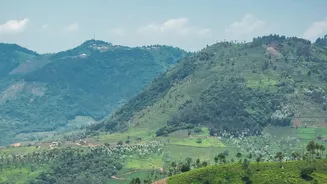
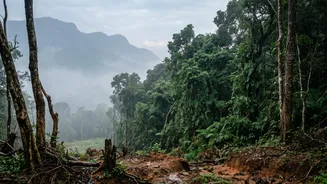
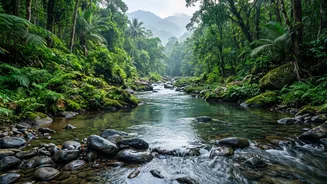
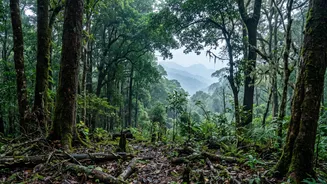
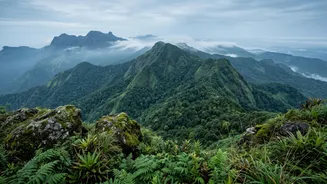
The initial findings are alarming, particularly for the state's forests. The tropical riparian evergreen forests, unique river-side ecosystems in the southern Western Ghats, have lost a staggering 83% of their original area over the last century. Scientists have classified these forests as Critically Endangered, projecting a potential collapse within 20 to 40 years if current trends continue. This devastation is driven by a combination of factors including dam construction, the spread of invasive plant species, rapid urbanisation, and agricultural expansion. This habitat fragmentation not only destroys trees but also severs vital corridors for wildlife, threatening iconic and endangered species like the Lion-tailed Macaque and Nilgiri Tahr.
A Crisis in the Waters
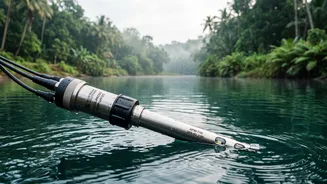
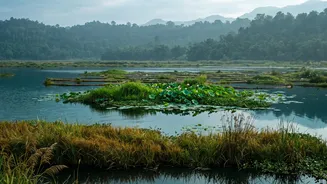
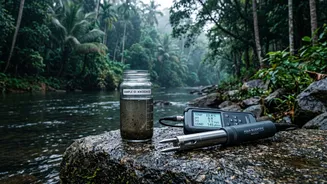
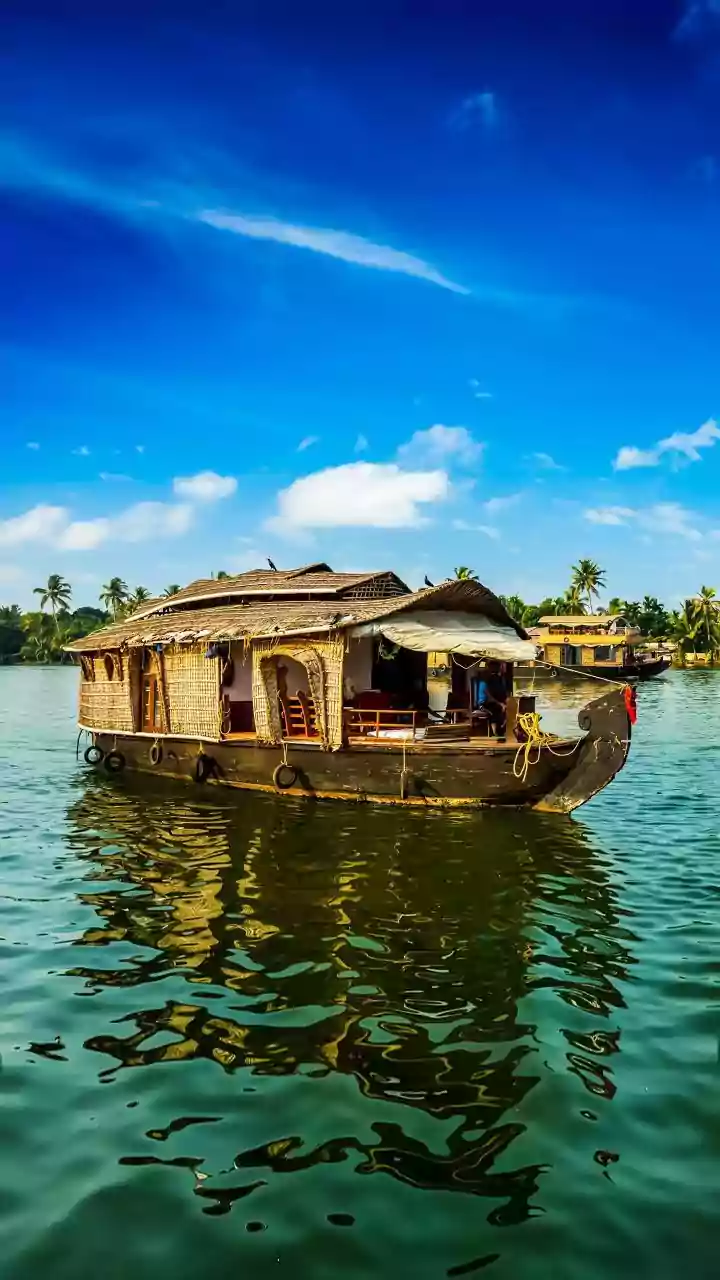
Kerala’s famed backwaters, rivers, and wetlands are also under severe threat. A recent Central Pollution Control Board (CPCB) assessment identified 32 polluted river stretches in the state, the second-highest number in India. Rapid, often unplanned, urbanisation has outpaced the development of sanitation infrastructure, leading to the widespread discharge of untreated sewage directly into waterways. This pollution, combined with agricultural runoff, devastates aquatic life and poses significant public health risks, leading to a surge in waterborne diseases. Studies of vital estuaries like Vembanad Lake reveal a system under immense stress from pollution and bio-invasion, jeopardising the livelihoods that depend on its fisheries.
The Climate Change Multiplier
Exacerbating these local pressures is the overarching threat of climate change. Kerala is experiencing a noticeable rise in temperatures and increasingly erratic rainfall patterns. The monsoon, the lifeblood of the region, has become unpredictable, bringing both prolonged droughts and short, intense downpours that the degraded landscape cannot absorb. This has led to a greater frequency of catastrophic floods and landslides, like those witnessed in recent years, where the loss of forest and wetland buffers has amplified the destruction. Furthermore, rising sea levels are threatening fragile coastal habitats like mangroves and causing saltwater intrusion, forcing communities to migrate inland.
A Call to Action
The comprehensive ecosystem assessment is more than just a report; it is a critical tool for survival. The findings are intended to create an official 'Risk Register' and 'Ecosystem Typology Atlas' that will guide state and local governments in making informed decisions. By mapping out the most threatened areas, the project will help prioritise ecological restoration and strengthen conservation laws. The shift in focus from protecting individual species to preserving entire ecosystems marks a significant evolution in India's conservation strategy. It acknowledges that the health of forests, rivers, and coastlines is directly linked to the well-being and resilience of human communities.