
The Search for the Next Superfood
The modern Indian pantry is a curious mix. On one shelf, you might find packets of quinoa and kale chips, celebrated on global wellness blogs. On another, the comfort of instant noodles promises a meal in minutes. In this daily tug-of-war between health
and convenience, many young professionals are searching for a 'superfood' that fuels their demanding lifestyles. The irony is that the answer isn't in a far-off land; it’s a humble group of grains that have nourished Indians for over 7,000 years. Once staples across the country, they were sidelined in the last century, but are now making a resounding comeback.
Meet the Hero: Mighty Millets
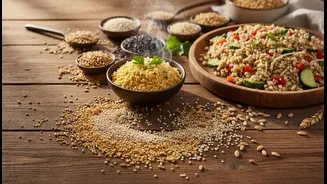
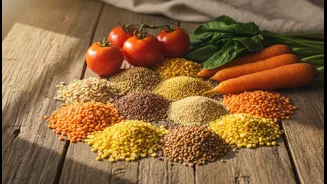
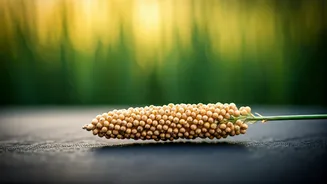
The food hero in question is millets—a group of small-seeded grains like ragi (finger millet), jowar (sorghum), and bajra (pearl millet). For millennia, these grains were the backbone of Indian agriculture and cuisine, thriving in our diverse climates long before rice and wheat became dominant. After the Green Revolution in the mid-20th century, a focus on high-yield rice and wheat pushed millets into the background, branding them as “coarse” or old-fashioned. But today, science is confirming what our ancestors knew all along: millets are a nutritional powerhouse perfectly suited for the 21st century.
A Nutritional Powerhouse for Modern Life
For the young Indian juggling deadlines, fitness goals, and a social life, millets offer a wealth of benefits. They are packed with protein, high-quality carbohydrates, and are exceptionally rich in dietary fibre, which aids digestion and keeps you feeling full longer, helping with weight management. Unlike polished white rice, millets have a low glycemic index, which means they release energy slowly, preventing the dreaded post-lunch slump and helping manage blood sugar levels—a crucial benefit given the rise of lifestyle diseases like diabetes. Furthermore, they are a treasure trove of essential minerals. Ragi, for instance, has about ten times the calcium of wheat, promoting bone health, while bajra is rich in iron, which helps combat anaemia.
Good for You, Better for the Planet
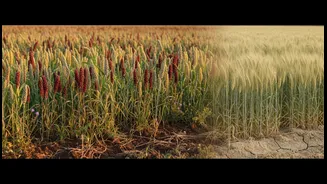
The appeal of millets extends beyond personal health to planetary well-being. In an era of climate change and water scarcity, these grains are a profoundly sustainable choice. Millets are hardy, climate-resilient crops that require significantly less water than rice and wheat—some varieties need up to 10 times less water. They can grow in poor soil with minimal need for chemical fertilisers and pesticides, which reduces the carbon footprint of our food. By choosing millets, young consumers can make a direct, positive impact on the environment and support the livelihood of small-scale farmers in India's arid regions.
Reclaiming a Delicious Heritage
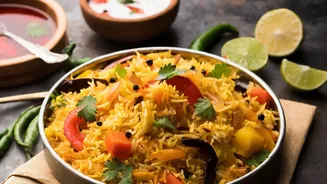
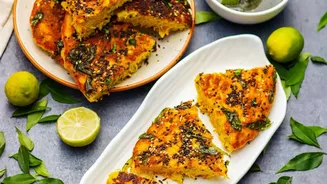
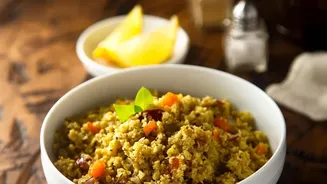
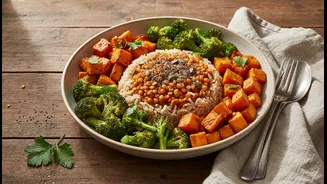
One of the biggest myths about millets is that they are bland or difficult to cook. But that couldn't be further from the truth. The renewed interest in these grains, bolstered by the UN's declaration of 2023 as the International Year of Millets, has sparked a culinary renaissance. Chefs and home cooks are reinventing traditional recipes and creating new ones. You can start your day with soft ragi idlis or fluffy millet pancakes. For lunch, swap rice with foxtail millet for a delicious pulao or salad. You can make crispy jowar rotis for dinner or even use millet flour to bake everything from bread to cakes. From savoury porridges and khichdi to nutritious laddoos, millets are incredibly versatile and add a unique, nutty flavour to any dish.